

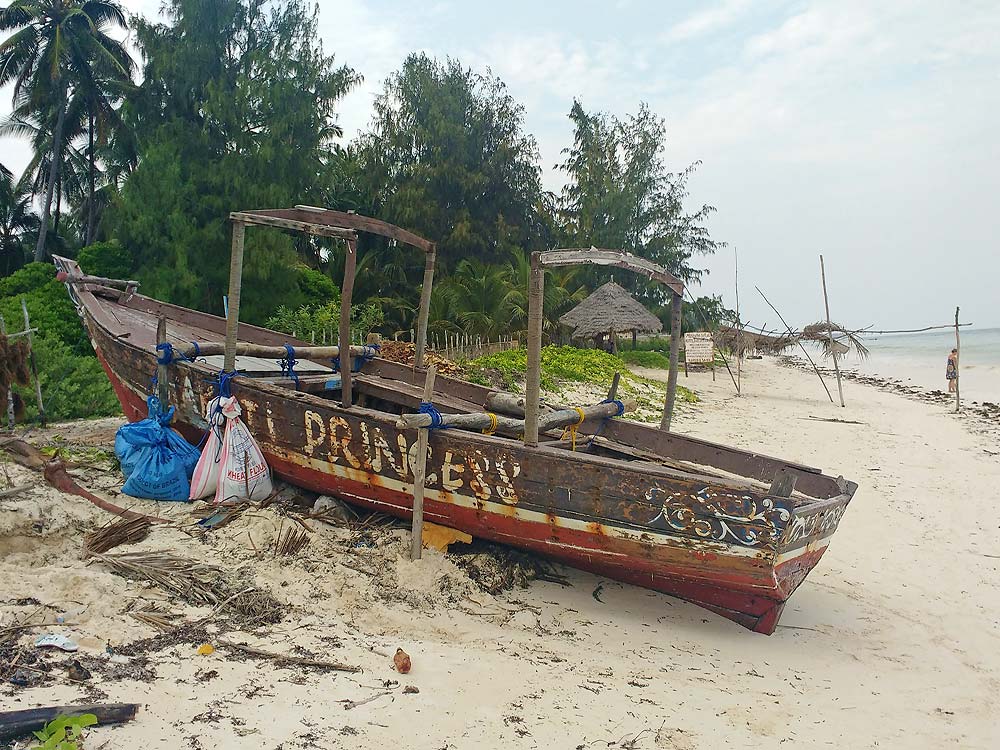
Just one week of good wind is immediately followed by the next week of permaflake. The wings of horny kiters fall out of the sky at eight knots. A nasty stomach bug tries to push all my food out the wrong end for a few days. At high tide, I walk across a carpet of thousands of jellyfish to Dongwe, eight kilometres to the north. Poor villages and rubbish dumps on the beach alternate with empty luxury resorts.
Paje is suddenly completely deserted. If Jack Nicholson jumped out from behind a palm tree grinning madly with an axe, I would simply hold my stomach out to him: “There, you can have it, it’s already broken anyway.” The Paje cemetery is also a rubbish dump, and the whole of Paje is a cemetery.
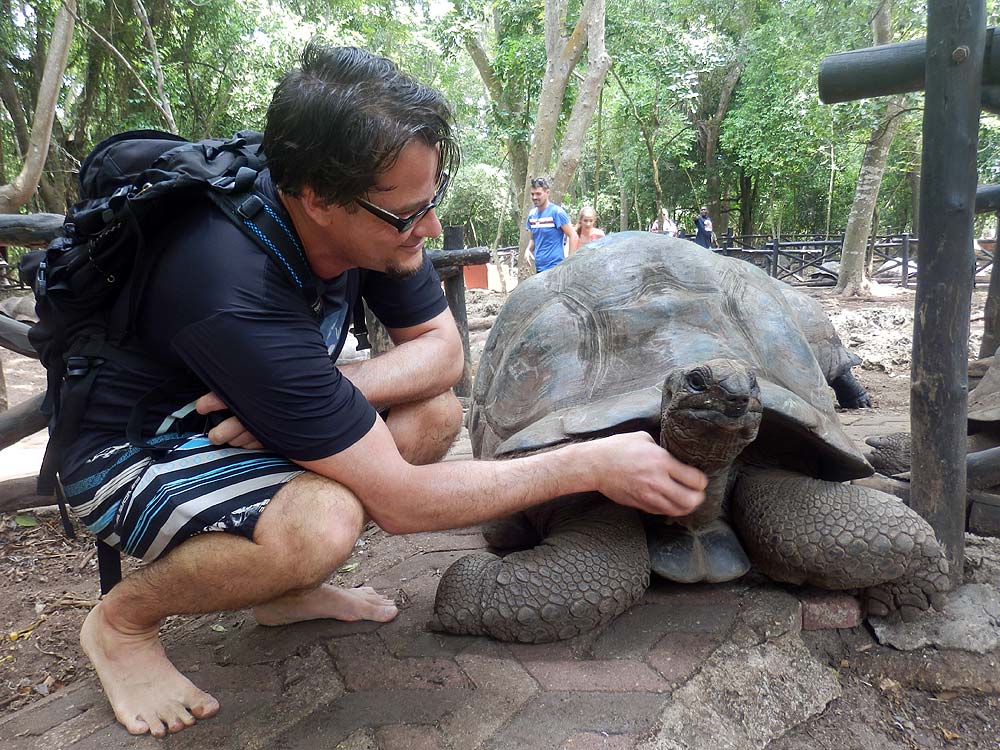
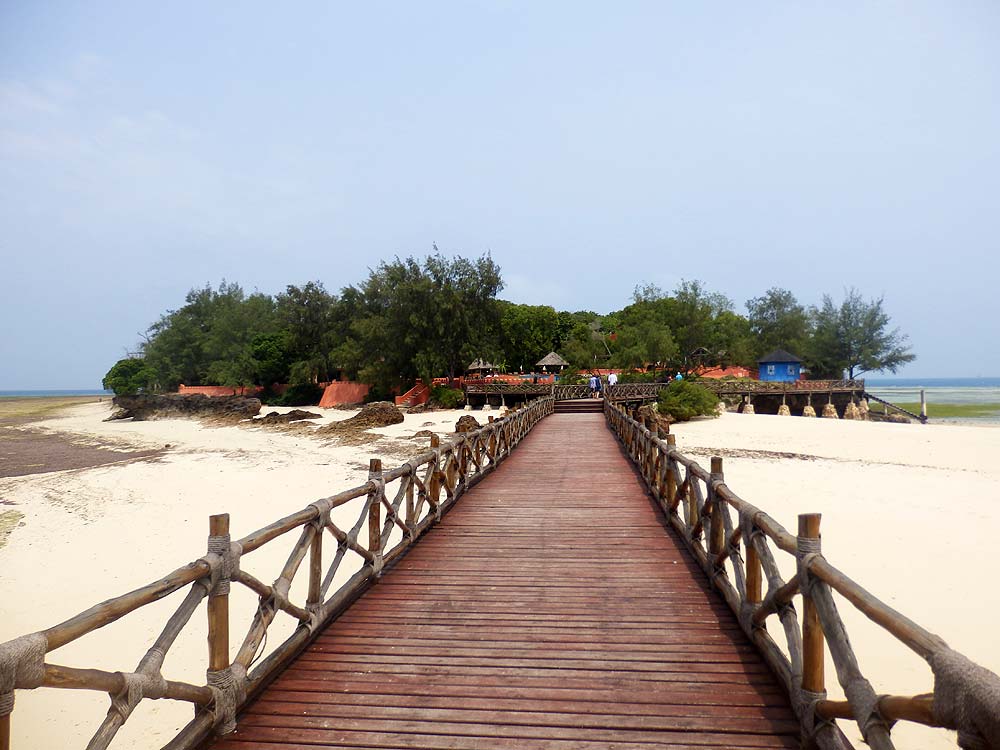
We tour Prison Island with a couple of good Austrians and a Swiss man. The sparse information boards tell us trivial facts and meaningless history, the kind but completely clueless guide even less. The highlight of the day is the giant tortoises that have been smeared with a lot of muck and are now screwing.
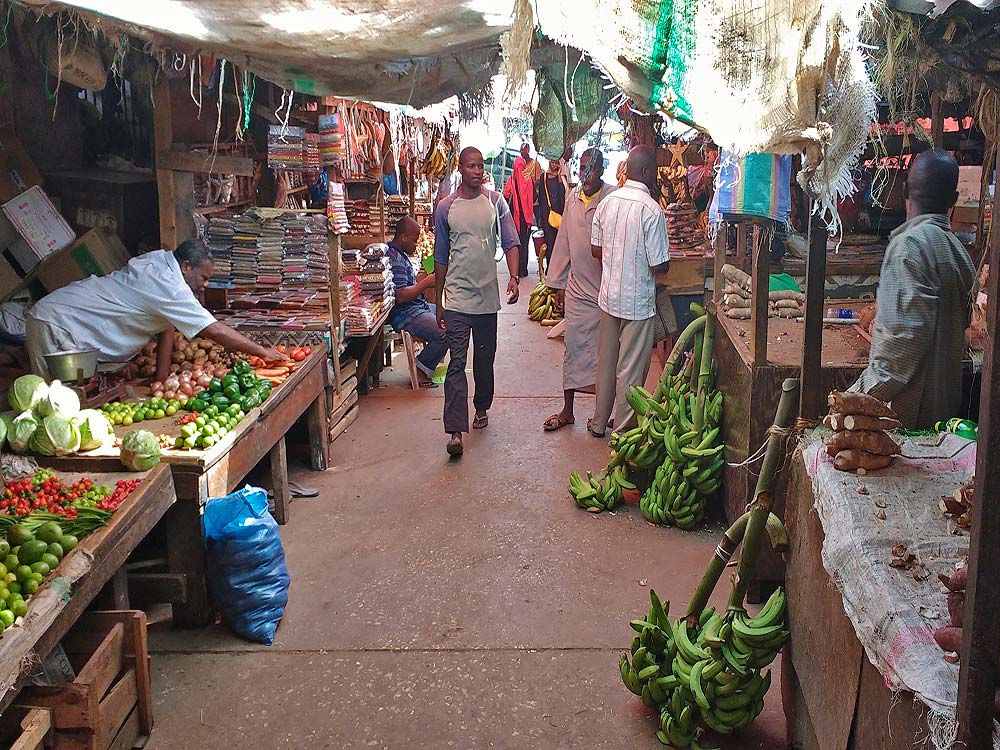
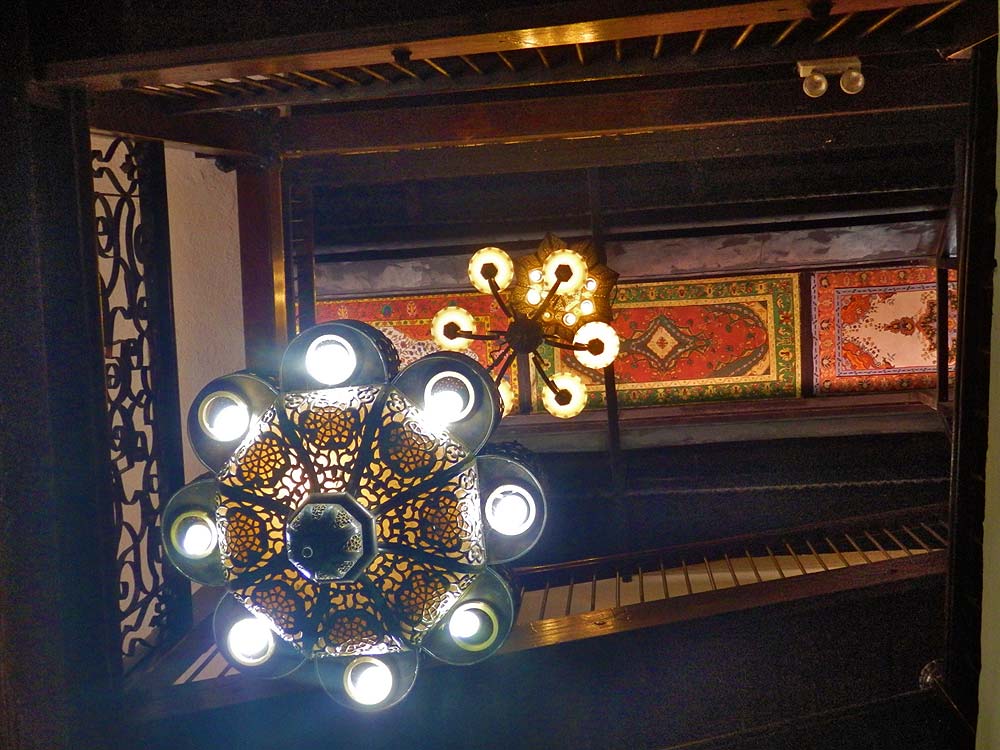
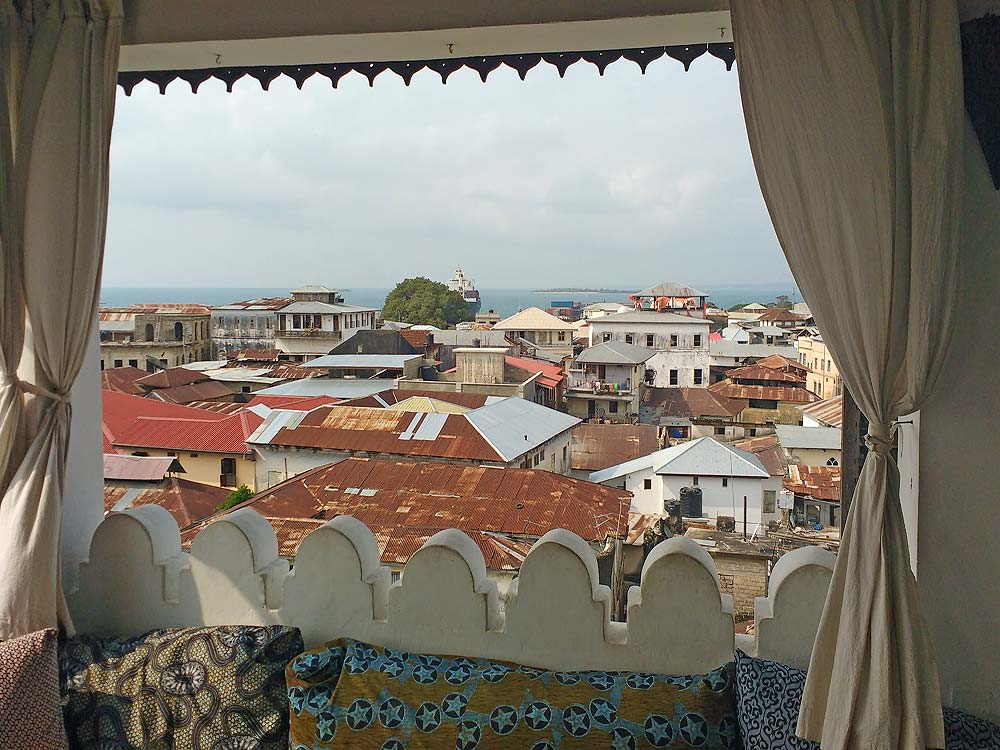
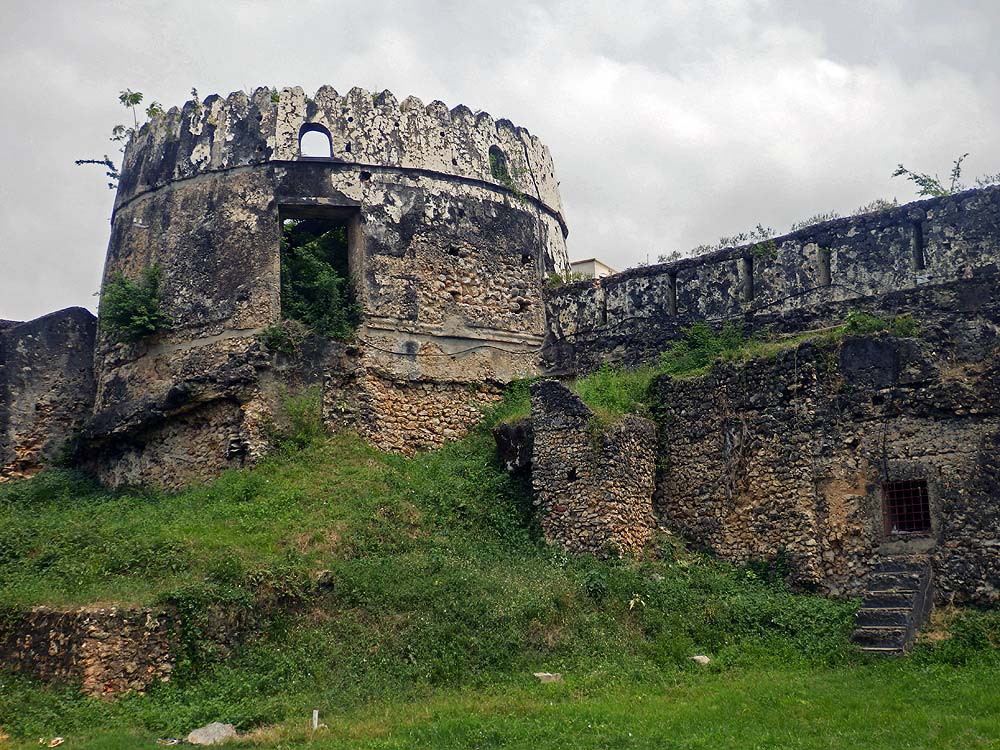
The capital Stonetown has a few beautiful colonial-era buildings and many old, richly decorated entrance gates. The rest in between is like all of Zanzibar: filth, stench, decay and life wasting away unused.
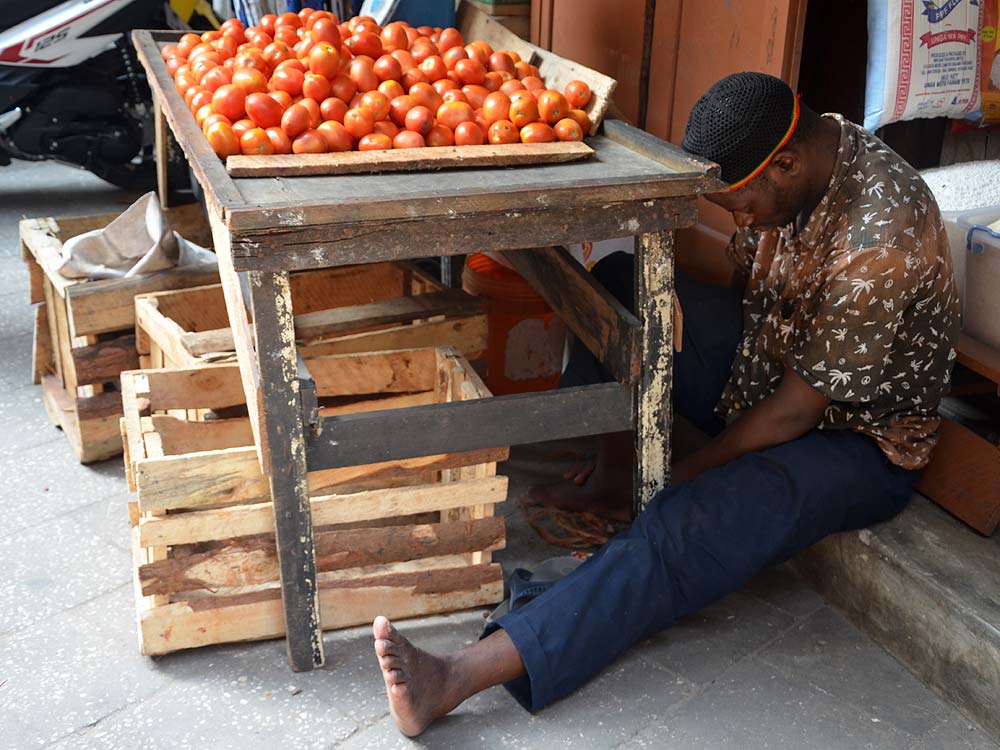
I just don’t understand the Zanzibaris. They suffer from abject poverty with an average monthly income of just $150. The prices are of course lower than in Europe, but compared to the income of the Zanzibaris they are infinitely high.
A shower head drips in permanent water shortage. Zanzibari solution: put a wash tub underneath! Bartenders stand around idle for hours in the afternoon. In the evening, they need a quarter of an hour to serve three drinks because they can’t possibly add up two beers in their heads. “Beer” seems to be the only word on this island that doesn’t sprout dyslexic style blooms.
I would have liked to tip more often. I rarely knew what for. The meal always takes at least an hour. Side dishes come half an hour after the main course. In between, you ask for glasses, cutlery, ashtrays, salt and the water you forgot three times. Then you go home. As always, the toilet paper is missing.
The standard of living in Zanzibar is comparable to that of the Philippines, Fiji or Vietnam. The difference is the all-encompassing lack of love. In other countries, even the most miserable huts have a loving detail somewhere. Here: absolutely nothing, including many expensive accommodations. Even the Rastafarians, who live on the worst weed, get more out of it than the sober rest of the Zanzibaris.
I like travelling to poorer countries. I love the difference and have few expectations. I adore people who live in the here and now. But the complete apathy of all Zanzibaris towards their own suffering is something quite different from Buddhism: they are like dully gazing cattle grazing their own poverty on the pasture of wretchedness. Quite simply devastating.
This is precisely why Zanzibar is the biggest disappointment in years after travelling to over 50 countries. I have fond memories of the many good travelling friends from all over the world and the mostly excellently spiced food. Bad: Too little wind, often no running water, frequent power cuts, hardly ever internet, miserable service and accommodation that was always grossly overpriced for what was on offer. I’m really looking forward to going home.

 Frank Woelky, born in 1973. Kitesurfer since 1998. Since 2006, I have been combining kitesurfing and web design on trips lasting several months off the beaten track.