

Mad Max was definitely born a good 30 years ago on the Panamericana south of Lima. Four roofless walls in the middle of nowhere proudly proclaim the possibility of renting them as a restaurant. A few abandoned houses stand on the sand. High walls around them protect the nothingness from the nowhere. 20 ice cream stalls once offered “Helado Artesanal”. In between, rubbish heaps burn again and again.
A large display proclaims a golden future for your family in an urbanisation somewhere in the middle of nowhere. The building site was abandoned years ago. Sand dunes, dust, some petrochemicals, a steelworks, hundreds of lorries full of scrap metal and incredible poverty. This is the most desolate area I have ever travelled through.
The worst infection in ten years of travelling keeps me in bed for a few days. Fever, headaches, joint pain, a severe case of pneumonia and stomach cramps torture me through two nights. The first pills do absolutely nothing. On the third day, I buy some strong cough suppressant and amoxicillin over the counter at my favourite corner shop – it finally works, albeit slowly.
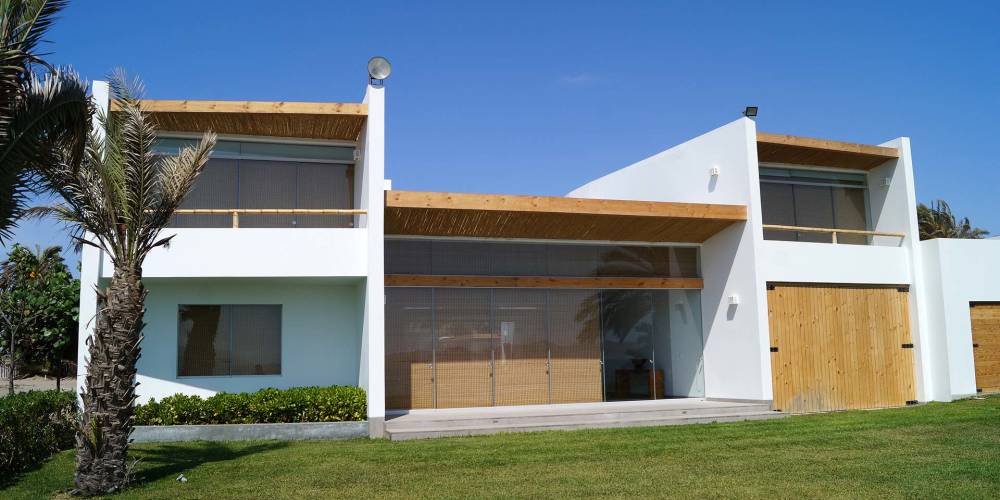
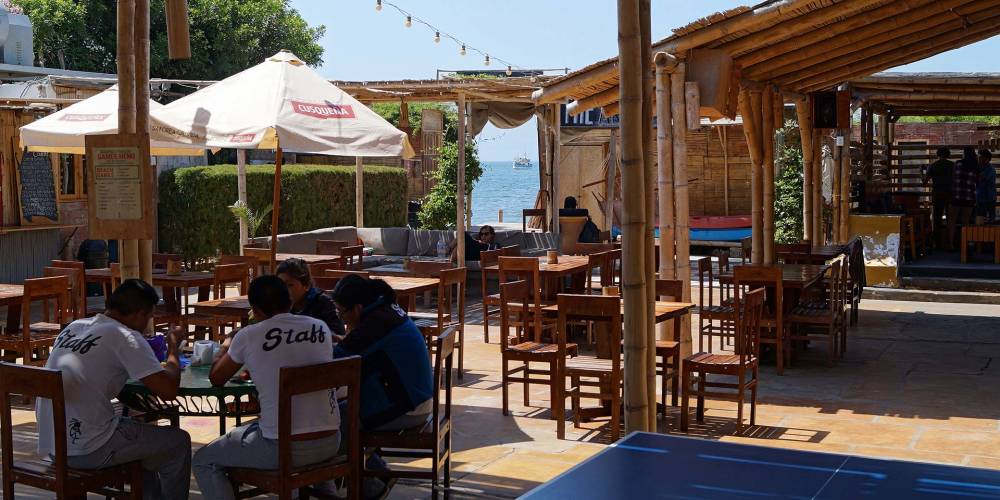
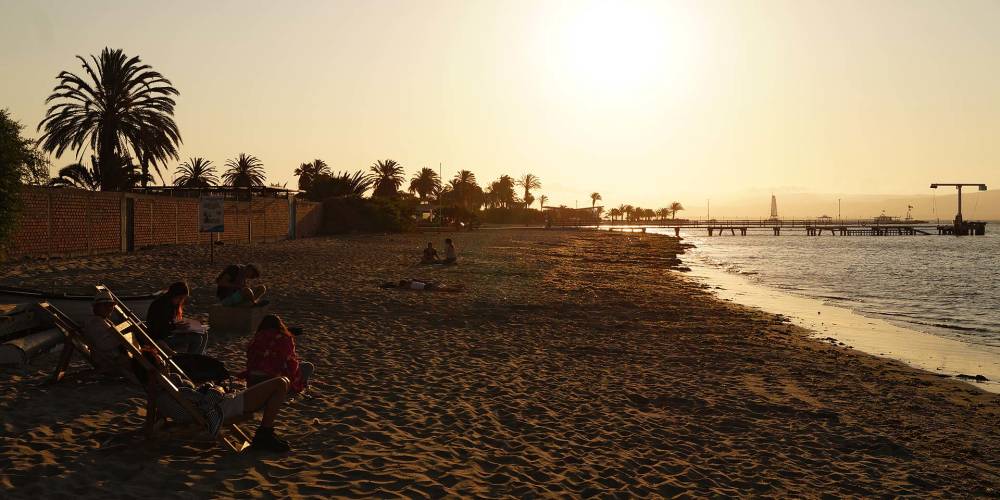
Paracas is a lovely little village where the fishermen still fish and tourism has not yet flattened everything. The Kokopelli Hostel is right on the beach. There are some beautiful beach villas along the three kilometres to the kite spot upwind: each one different, some large, some small, and all stylishly interesting. According to a TukTuk driver, they belong to the rich people of Lima, four hours to the north, and are occupied for a maximum of three months a year. The deckchairs in front are unsecured, the walls without barbed wire. “Nothing gets away here,” the TukTuk driver assures me.
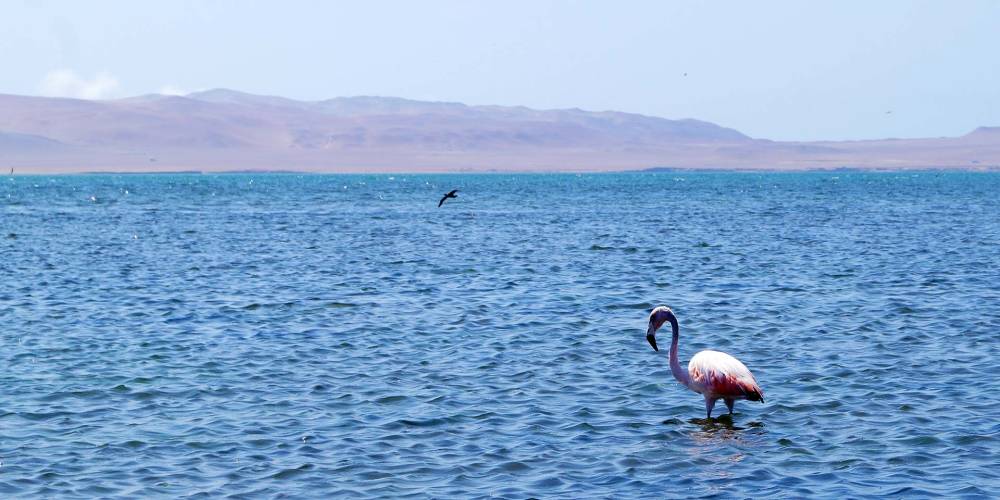
Triathletes jog past the beach promenade. Flamingos fish in the shallows of the bay at the entrance to the national park. The sun is setting. Electricity and internet fail for a whole day. It is almost impossible to work and it takes a few days to withdraw money. Every ATM charges €5 for a maximum of 100 euros that can be withdrawn.
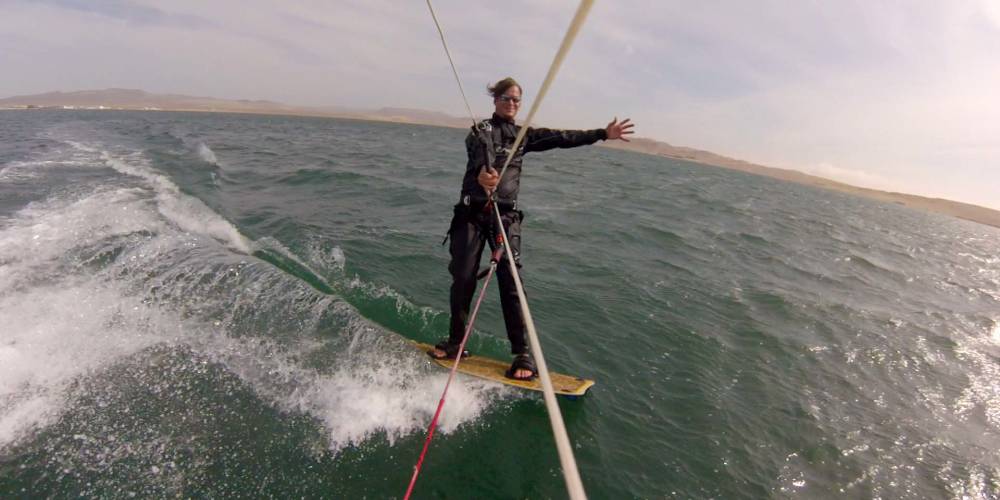
Kitespot Paracas On the first day with a little less coughing, I am immediately back at Kite Beach. It’s right in front of the nature reserve at the end of the bay of Paracas. Lots of seabirds take off at the first kite launch. The flamingos don’t mind the kite at all.
The water in the shallow bay of Paracas is only slightly warmer than Cape Town. The temperature fluctuates between cool and freezing, depending on the Humboldt current. Boardshorts with a cough are borderline. On the second day I’m out with my only other option, the dry suit. It works.
Every lunchtime the wind shifts from north to south and increases in strength. On the first day, a cosy 18 knots blow across the flat water – but it can easily get up to 30 knots. The standard in the main wind season from November to February is around 18 to 25 knots. The wind probability > 15 knots is around 90% during this time.
The kite beach is located about three kilometres outside Paracas, between the Hilton Hotel and the national park. You can get there quickly by compartido (minivan, approx. every 15 minutes, €0.50), tuk-tuk (€1.50) or taxi (€2.50). There are good people at the Kangaroo Kite Centre. Compressor and beach cost €2.50 per day. Equipment is also available for hire, as is training. Accommodation directly at the spot is expensive, tours to numerous wave spots or flat water spots (Laguna Grande: 35 $) in the area are also not without cost.
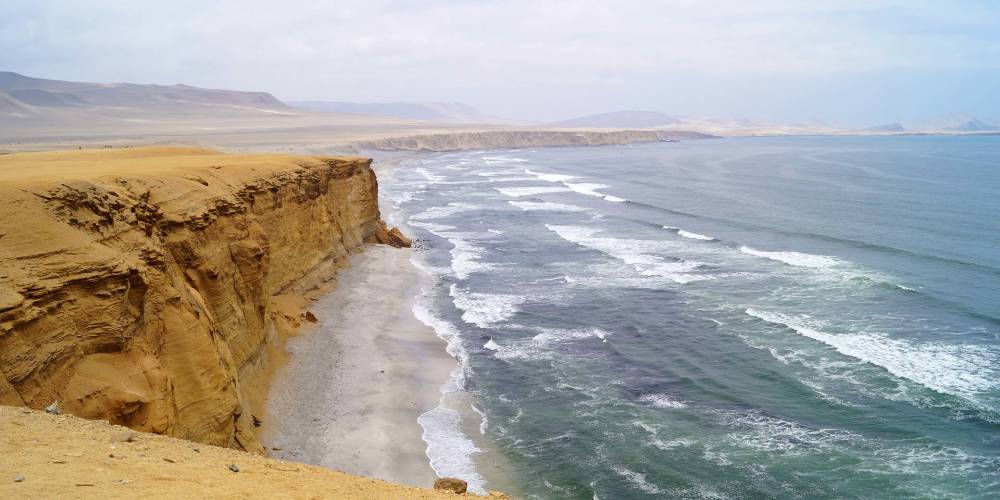
Paracas means “sand rain” in Quechua. The oldest settlements in the region are over 9,000 years old – easily 7,500 years older than the first Incas. In the nearby national park there is an ancient necropolis with mummies, a salt works and many other interesting things. However, our Michael-Jackson-for-the-poor guide only takes us on a four-hour ghost train ride for travelling zombies from one selfie-stick-wielding crowd of tourists to the next. Completely for your arse is still too kind.
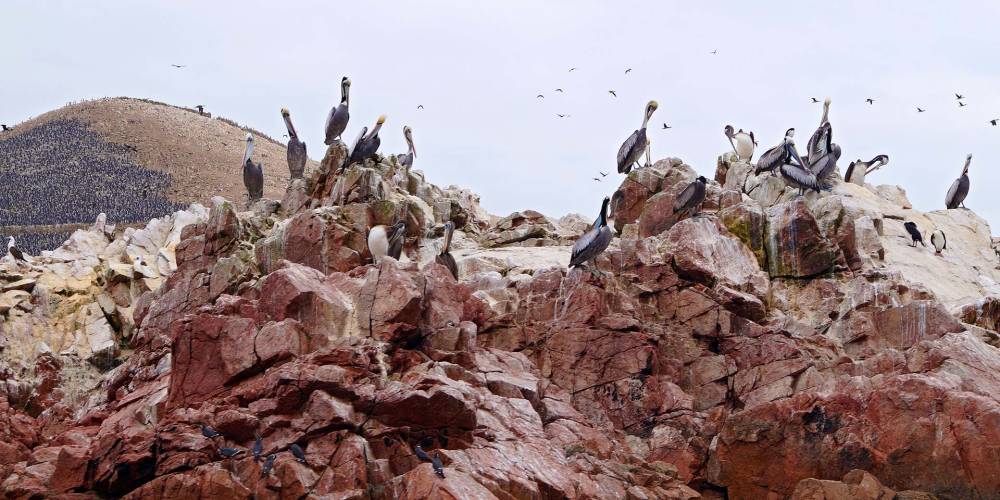
The two-hour boat trip out to the Ballestas Islands, on the other hand, is really good. Guano has always been the best fertiliser for all indigenous cultures in South America – and in many jungle regions with their nutrient-poor soils, it was so important that the tribes undertook weeks-long expeditions from the highlands to the Pacific to obtain it. But it was Humboldt’s chemical analyses of bird poo and subsequent praise as the “best fertiliser in the world” that turned shit into gold. At times, guano was even worth considerably more than gold, to be precise. The guano layer on the Ballestas Islands, which was probably once over 50 metres thick, was understandably mined quite quickly.
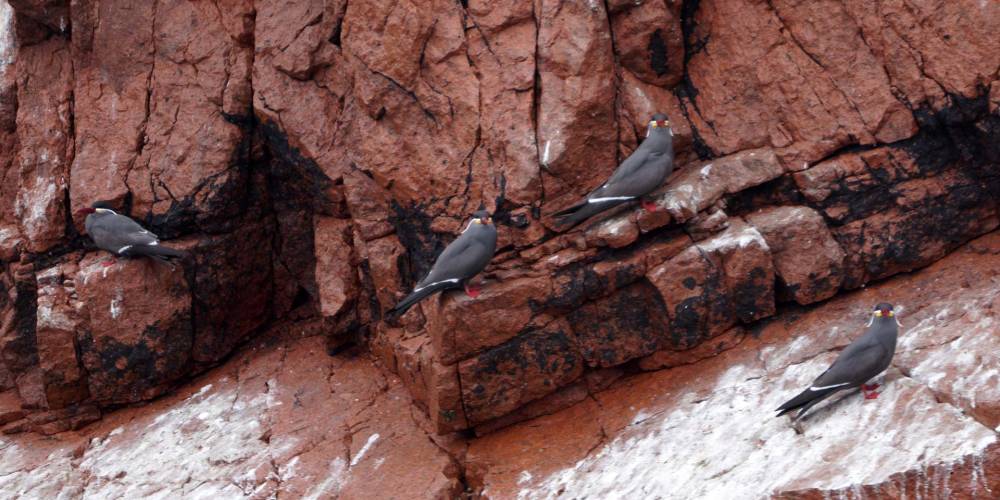
Even today, millions of Chilean pelicans, Inca terns, cormorants and other seabirds still breed in the Ballestas Islands nature reserve. Guano rains down on the boats. The smell is amazing. At least this time, the Chinese have a strategic advantage with their full Martian disguises. Their telephoto lenses, usually over 40 cm long, less so.
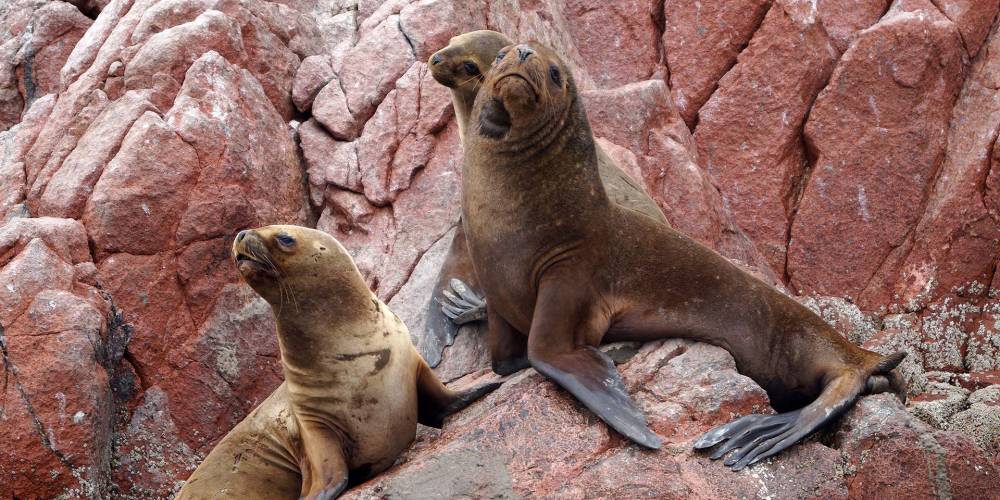
Numerous sea lions weighing up to 300 kg sunbathe on the rocks. The Humboldt Current brings cold water. This brings phytoplankton further up, gives it more light and the entire food chain explodes. Except in El Niño years. The water temperature rises by over five degrees – everything collapses – and an entire generation of sea lions and birds dies.
For some time now I’ve been travelling like El Niño again. Every conversation dies very quickly wherever I go. I start very few. I understood the big realisation from “Into The Wild”. But I keep failing to put it into practice. Without sharing stories, all travelling is pointless. I throw myself into hundreds of pages of specialised literature. I find explanations, but no solution…



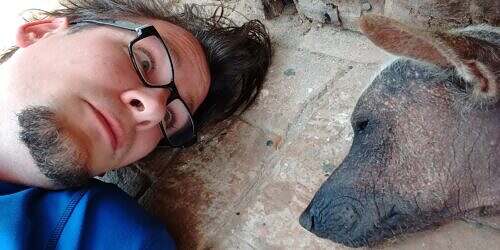
 Frank Woelky, born in 1973. Kitesurfer since 1998. Since 2006, I have been combining kitesurfing and web design on trips lasting several months off the beaten track.