

Like a vulture, I circle ever closer in my Panda in search of my first accommodation in Sardinia. Missing addresses are not a problem. They only become a problem when you can’t find anyone to ask for directions. Everything is closed, the streets completely empty, the houses barricaded.
Even today, few Italians speak English, but they understand my Spanish – and I understand their Italian answers, at least well enough to realise that each answer points in the opposite direction to the previous one. Sardinia is still in deepest hibernation. I am the universal soloist when it comes to eating, driving, walking and travelling. It’s cold and raining, but I feel good.
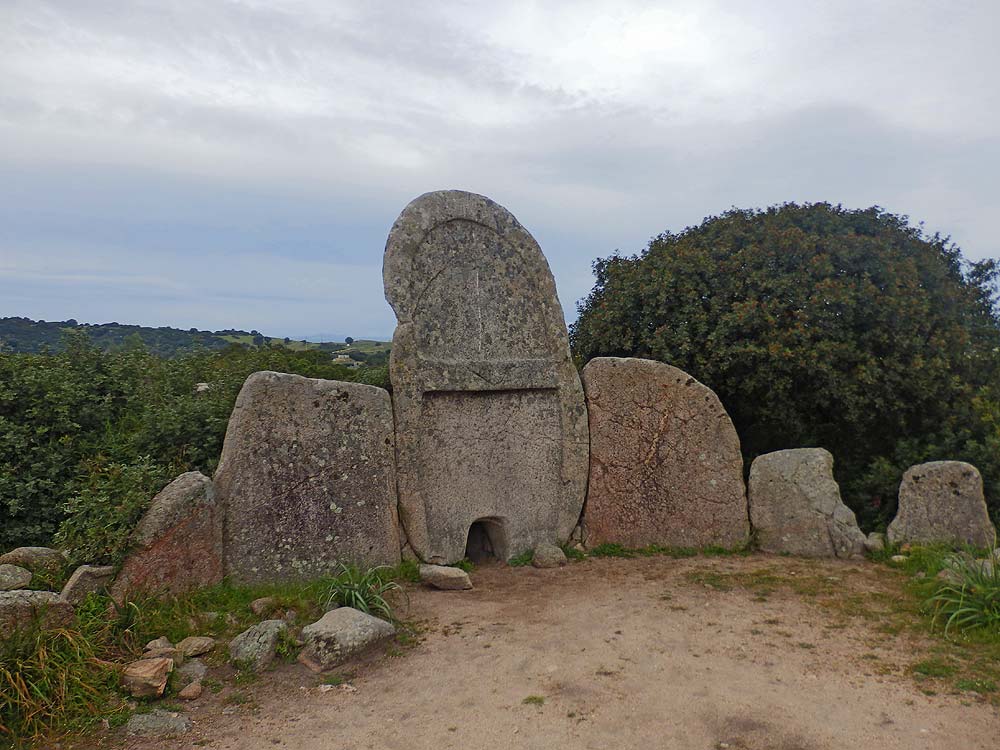
After a short excursion to Posada Castle, I set off early the next morning for the Sardinian mountains. The Tombe dei Giganti is a 3500-year-old tomb. For centuries, every new conquering civilisation buried its dead in it: the Phoenicians, the Romans and many other old-school fans. Today, the sheep graze bored in the pasture around it.
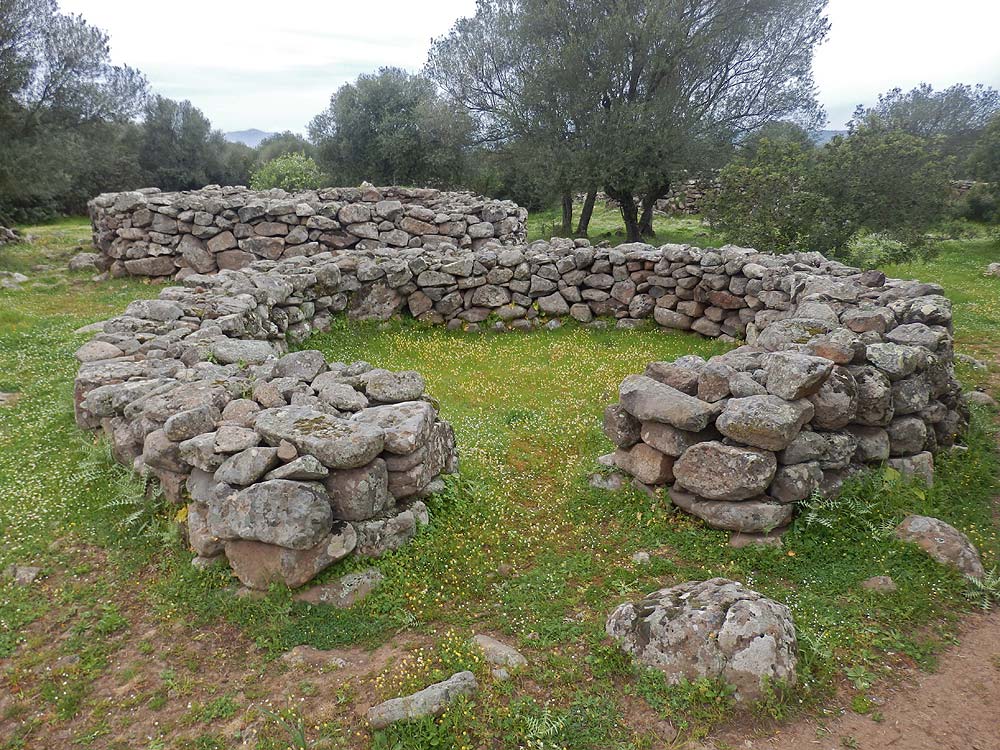
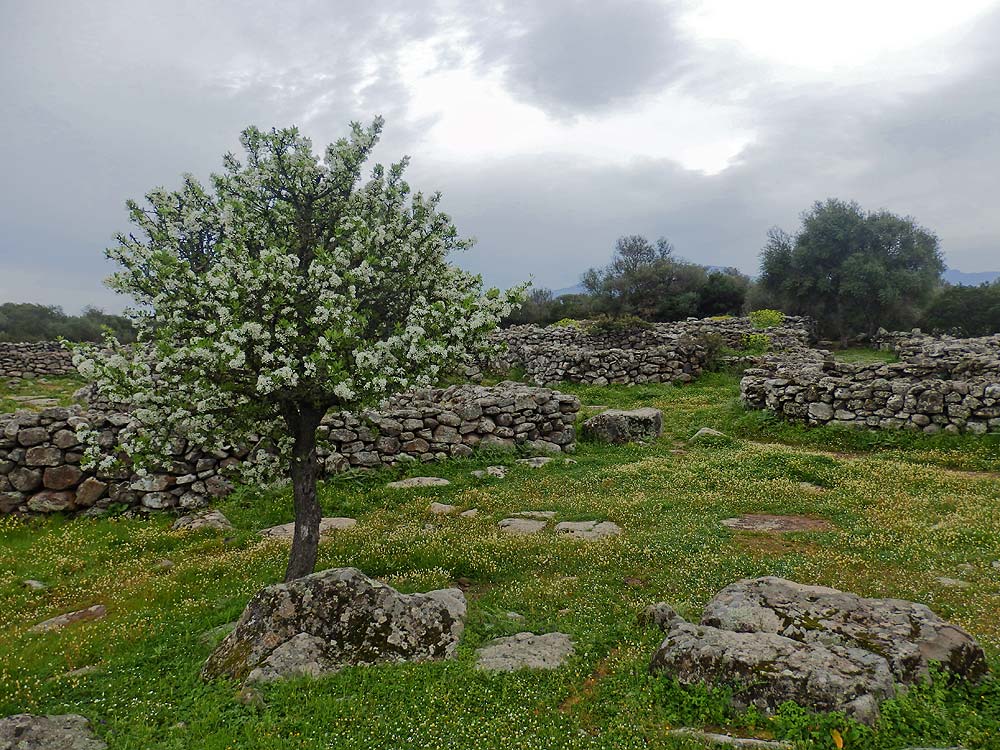
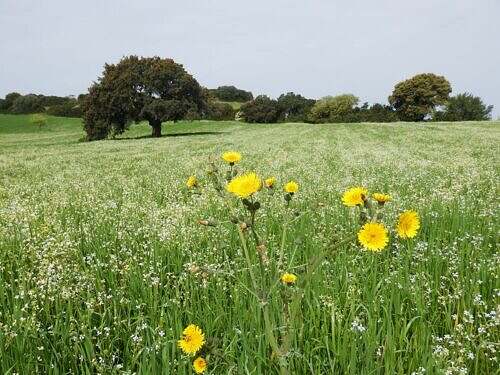
Just a few kilometres further on is the largest Nuragic settlement in Sardinia with the foundations of 70 stone houses that are up to 3300 years old. I stroll through ancient alleyways over daisies and imagine how people must have animated the space. Nothing disturbs my daydreaming, especially no other visitors.
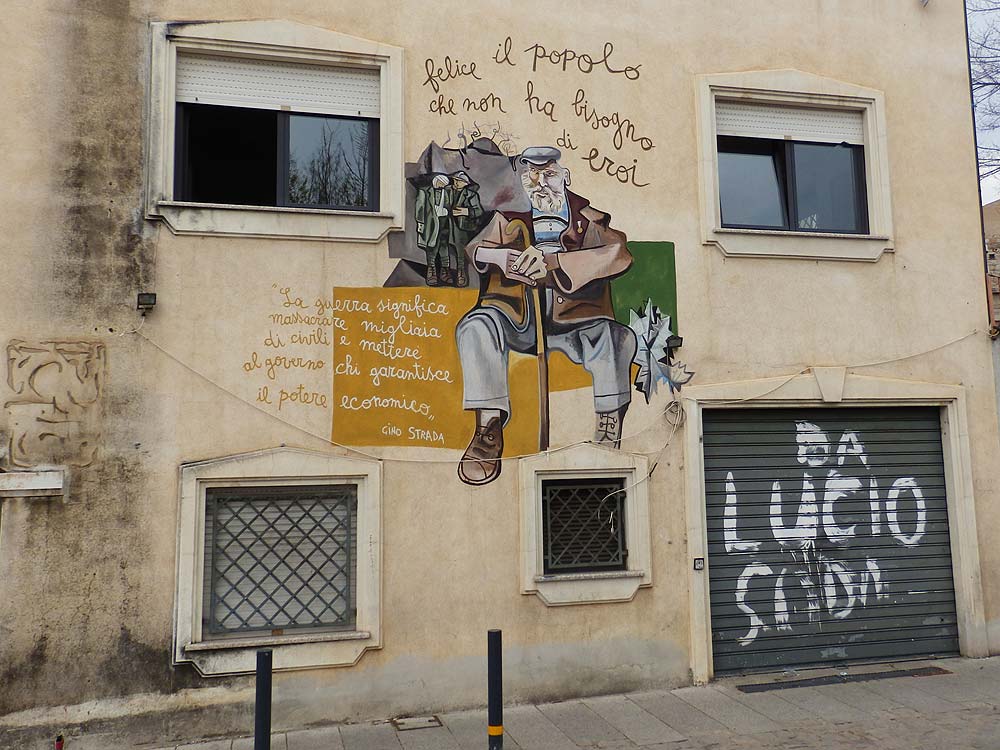
The provincial capital of Oliena is just 18 kilometres from the former bandit capital of Orgosole in Supramonte, which is extremely difficult to access. As the government was long reluctant to pave the way to civilisation for the kidnappers and bandits there, the road was only paved in the 1990s. Demonstrating a frenzied desire for integration, the worst bandits then drove themselves to death on the steep, winding road. A bouquet of flowers beckons to me around every bend. Today, the bandits have become better behaved and paint socially critical murals on the walls of their forbidding houses that claw into the mountainsides.
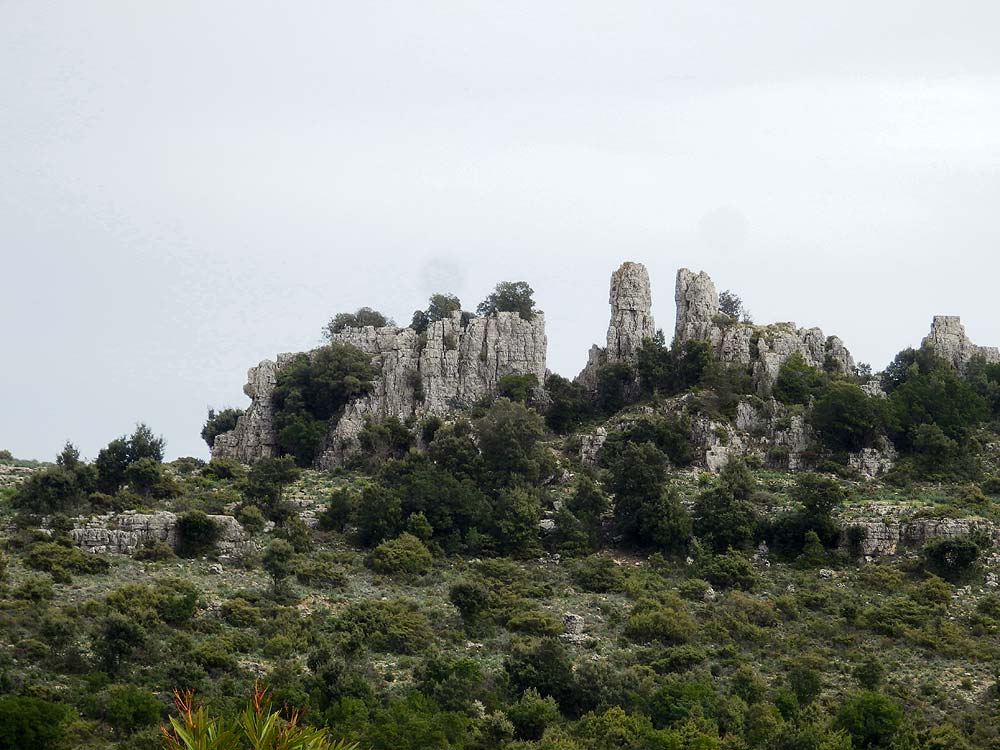
Monte Spada near Fonni still bears the last snow crowns on its 1595 metres. Behind it lies the even higher Bruncu Spina, and right next to the road a full two metres of snow in front of Sardinia’s only drag lift, which has already gone into summer hibernation. I am surprised and delighted – but I had imagined Sardinia to be a little different in April. The temperatures are fine, I even go snowboarding for an hour in just a T-shirt when the weather is right – but I don’t really feel like kiting yet.
Here Maps keeps sending me on washed-out mountain tracks that are at best passable with jeeps and which, according to the signposting, don’t lead where I want to go: to the other side of Barbagia towards the sea. The only road without a four-hour diversions is closed to all through traffic due to some landslides. I ignore this, as the police are very busy with lots of checks on busy roads – up here I only come across a car every half hour at best – but then usually very far on my side.
Nowhere else in the world are there longer continuous central reservations than in Sardinia. This is justified by the extremely steep mountains and many bends. But after 60 kilometres behind a smoking toad lorry, you apparently have to pull over and overtake. Once is not always enough, and so the Sardinians really do overtake everywhere, preferably where you are travelling really far and low.
According to unconfirmed rumours, Sardinians don’t have sex for seven years if they cross a dashed central reservation. But like all Italians, the Sardinians are gigantically horny goats. Although the Sardinian government contributes immensely to the increase in the world market price for white paint with the infinite solid centre stripes at €1.27 per litre, it also promotes population growth immensely.
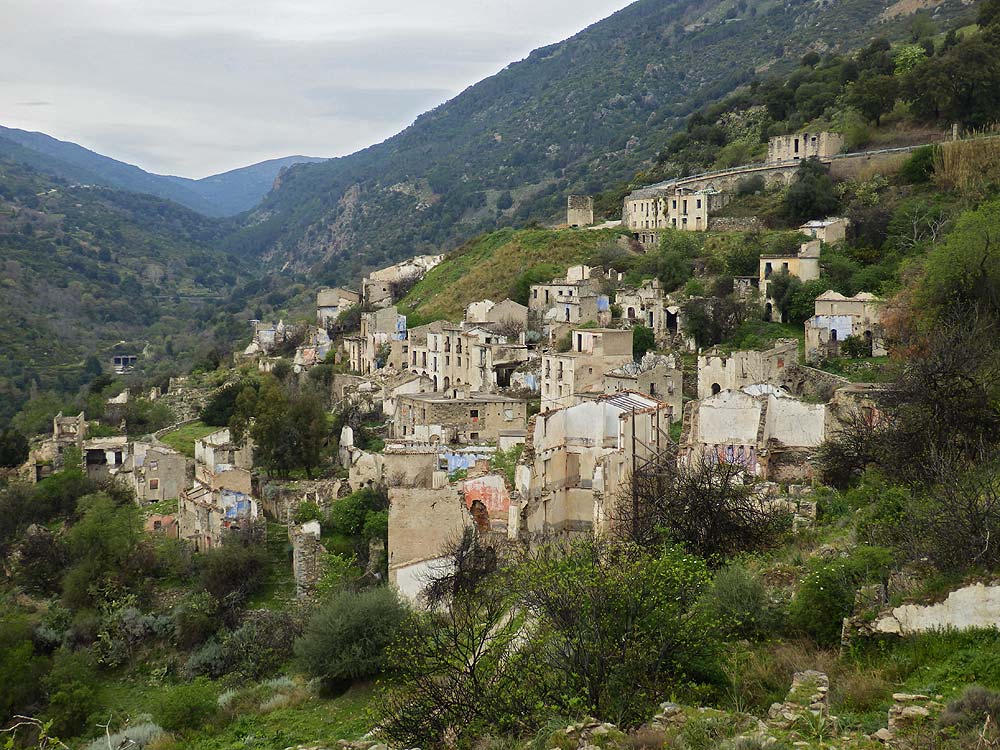
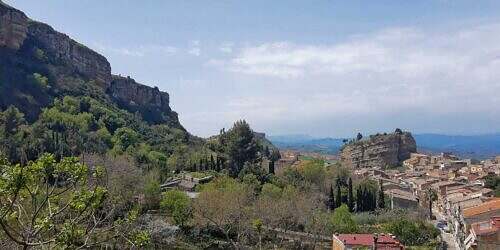
On the sea side, the mountain villages claw their way into even steeper rocky slopes. If more than 10% of the village population dies in a year due to falling rocks, the inhabitants simply move the village a little higher up, as the Sardinians have enough steep slopes. Further up, fewer stones fall and further down I roam through magical abandoned and decaying ghost villages like Gairo. The only intact wall borders a cemetery. A dog howls in front of it. There’s a lot going on here compared to the rest of Sardinia.
I reach my destination for the day, the mountain town of Lanusei, after a good 500 km rollercoaster ride, nine hours and, according to the GPS, almost exactly the same altitude as a K2 ascent from sea level. After an odyssey through endlessly steep and usually only Panda 20cm wide alleyways, I park in the only open space for three hours and pull my kitebag towards the hostel I’ve booked. The road goes straight ahead for a short while, which after 7,325 bends within 24 hours is a bit too much for me. I pull onto the road to the left, the oncoming car into oncoming traffic. A popular Sardinian sport, so nothing happens.
The hostel is closed for a proper hibernation. None of the neighbours are at home, nobody knows the owner and he doesn’t answer the phone either. A nine-hour drive is fun, but another hour without the internet to find new accommodation in a maze of one-way streets inclined at up to 30° is a little less so. Finally, I reach the owner after spending €10 on mega roaming. I have an entire 650 m² hostel in a medieval house all to myself.
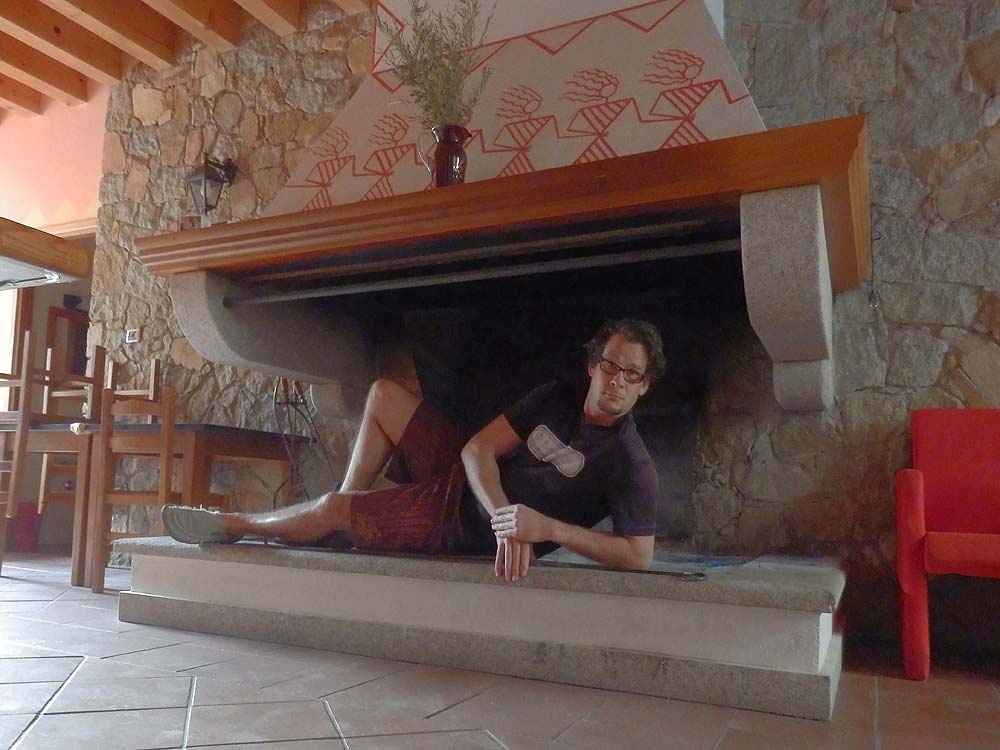
Chefe apparently interprets my panicked tears of loneliness as tears of joy at the unique opportunity to dance naked through the in-house cinema room and then get up to some dirty deeds in front of the three-metre-wide fireplace. I make do with an ice-cold shower, spend ages looking for an open pizzeria and finally sneak off to bed with a bottle of Sardinian Canonau wine. The wine tastes good and pops as expected. The first highlight of the day tomorrow will certainly be reversing round the corner from 30° 20cm.




 Frank Woelky, born in 1973. Kitesurfer since 1998. Since 2006, I have been combining kitesurfing and web design on trips lasting several months off the beaten track.