

You certainly can’t understand a country in ten days. But I had hoped to recognise at least the beginnings of its soul. But Nicaragua didn’t make any sense to me. On the contrary. I am more confused than before.
Nicaragua is like its restaurants. There are at least 100 dishes in each one: pork, beef, chicken or fish, combined with rice, chips, beans or vegetables. An endless, tiring, meaningless variety. You always wait at least an hour for your food, while five waiters stand around bored. Then the food is served cold and you wait another half an hour for the bill.
Nicaragua is the inventor of the perma-revolution. For over 150 years, one revolution has followed another. The incomprehensible lack of change in political direction seems to have been the template for Merkel’s “ecological” energy revolution.
The only constant factors in Nicaragua are the change of direction and poverty. After Haiti, Nicaragua is the second poorest country on the American continent. 45% of the population have to get by on less than one dollar a day – with the cost of living around 50% below the German level.
In the 1980s, the USA sold weapons to Iran quite profitably. The CIA was also very successful as the largest coke dealer in the West. This led to increased consumption among the political leadership caste in the USA. Unfortunately, cokeheads usually only have shit ideas, but they have the money to realise them.
so in 1979, the USA instigated a civil war in Nicaragua. After all, even the dumbest cokehead knows that dominoes are much more dangerous than drugs. The Contras have been running out of money for the last 20 years. Coke simply became too cheap, and the US Republicans found fun new axes of evil. Nicaragua continued to totter. Every election brought a complete change of direction.
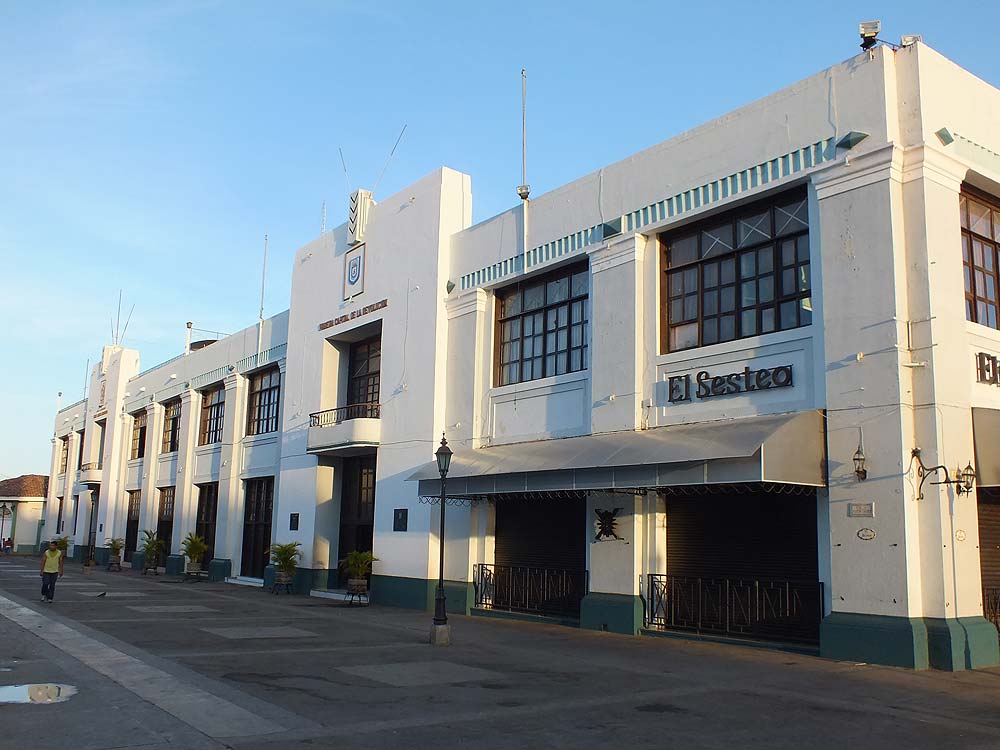
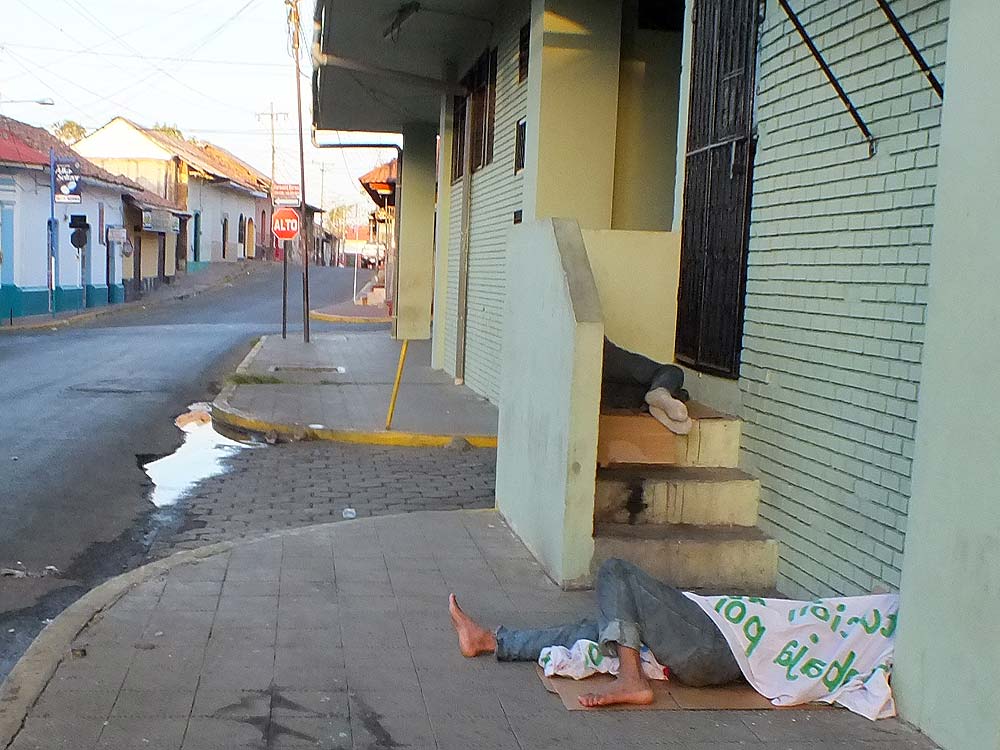
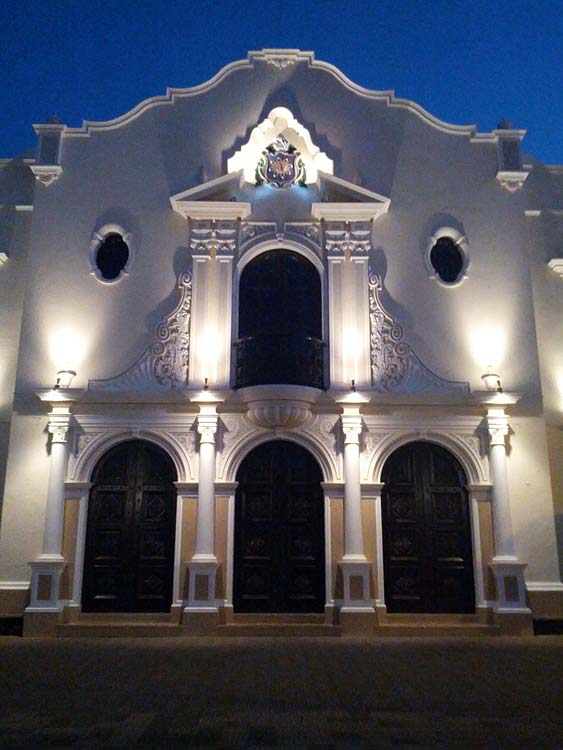
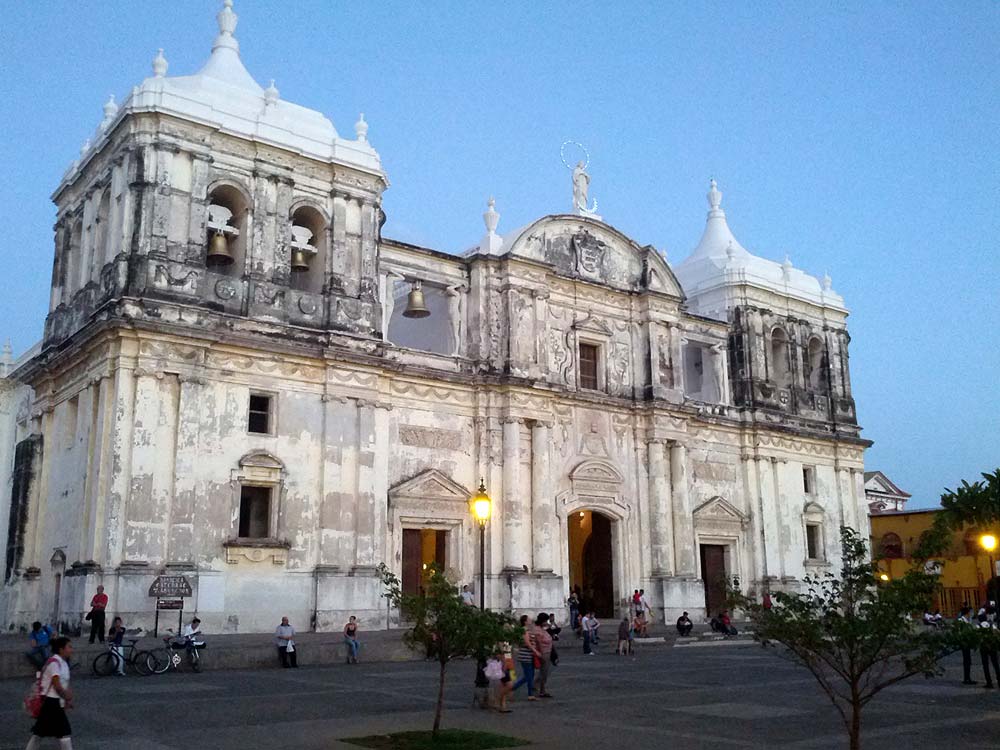
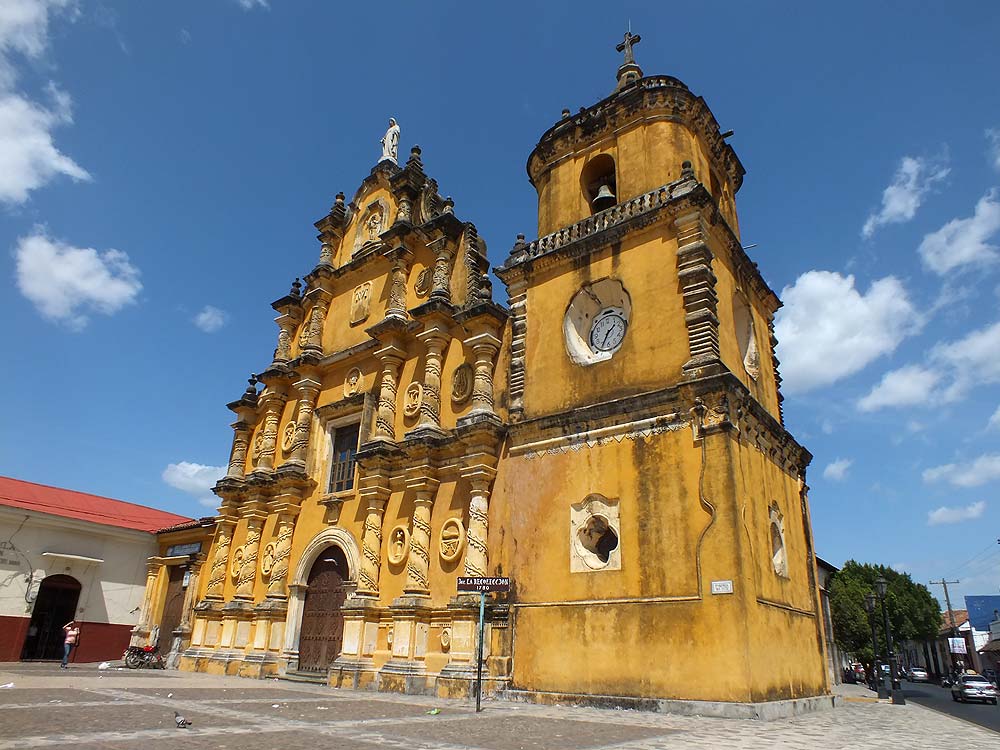
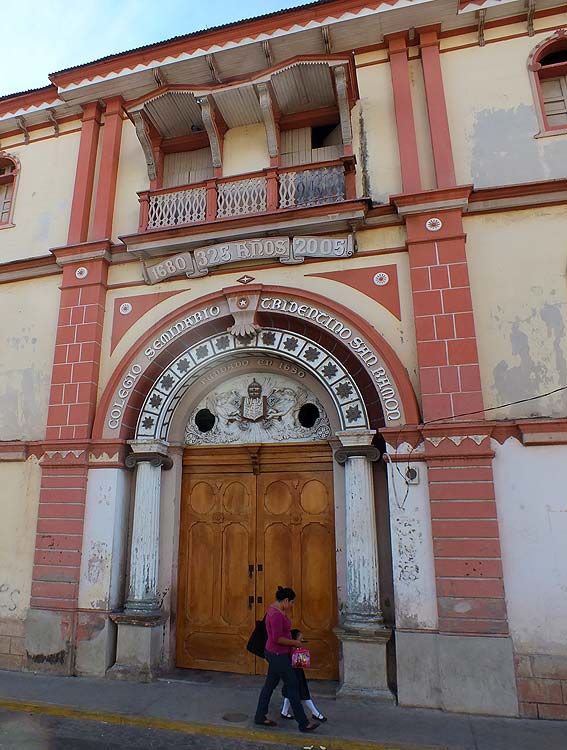
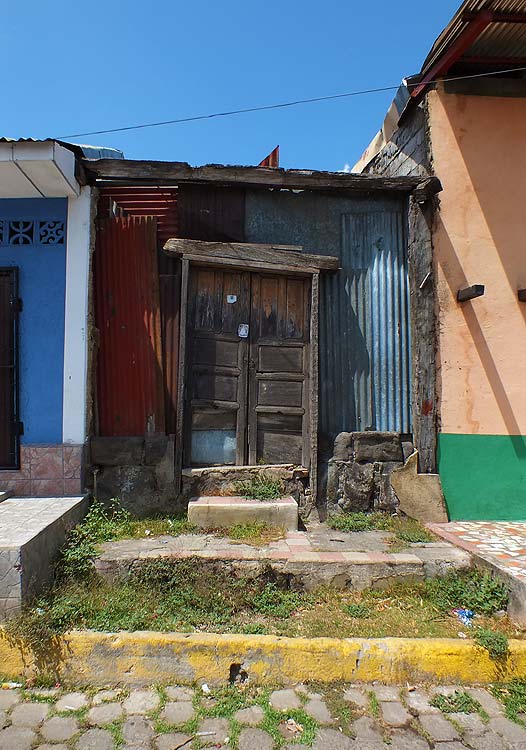
Leon is the old capital of Nicaragua’s liberal-socialist movement. After five weeks of aerated concrete and corrugated iron, the few old buildings make my architect’s heart do happy backflips. The pavements are high, holey rollercoasters and many homeless people sleep in the doorways. Rubbish flies everywhere.
Leon is famous for its nightlife. I visit the latter twice half-heartedly with a nice architect from Madrid. But halfway through my trip, I’m somehow sure that I’ve already had the best parties. On my return home, after travelling through numerous unsafe areas in other countries, I hear for the first time that my hostel neighbour has just been robbed. Leon is considered the safest city in Nicaragua.
In 38° hot winds, a cold puts me to bed for a few days working flat out. As soon as I get back on my feet, I visit the “Museo de la Revolución”. An old guerrillero tries to explain the meaning of the unlabelled pictures in a dilapidated palace in Spanish. Unfortunately, Movistar started the third acoustic world war today in the square in front of the museum. You can’t make out the enemy, but they are still firing from all 20,000 watt pipes. The old guerrillas are squatting in the entrance to the building, smoking and firing back with a rickety old Peavey amplifier. I ask “Que?” a few times and give up after half an hour of revolutionary tuition.
Two hours of web reading in the hostel complete my confusion: there is no black, no white, no good, no bad. Everyone against everyone else, truck against school bus and rip-off artists against beggars. Nicaragua leaves me a very confused and tired traveller.




 Frank Woelky, born in 1973. Kitesurfer since 1998. Since 2006, I have been combining kitesurfing and web design on trips lasting several months off the beaten track.