
To be honest, I don’t remember much about my last trip to Montenegro. Wild Hilde picked me up at home in her car. We drove non-stop for 24 hours in shifts, down dirt tracks and through goat pastures all the way to Ulcinj. As the wind remained more than a bit of a breeze for two weeks, the nights turned into one big storm.
Today, a good ten years later. At Croatia’s southern border, we wait two and a half hours to cross. The 190 km to Ulcinj is one long roadworks zone. We cut across the bay at Kotar on a short car ferry. This previously unknown vessel becomes a pirate ship for the little Smurf. Immediately afterwards, we encounter real pirates. They stand behind the counter at Burger King and demand far more gold than one would find in German climes.
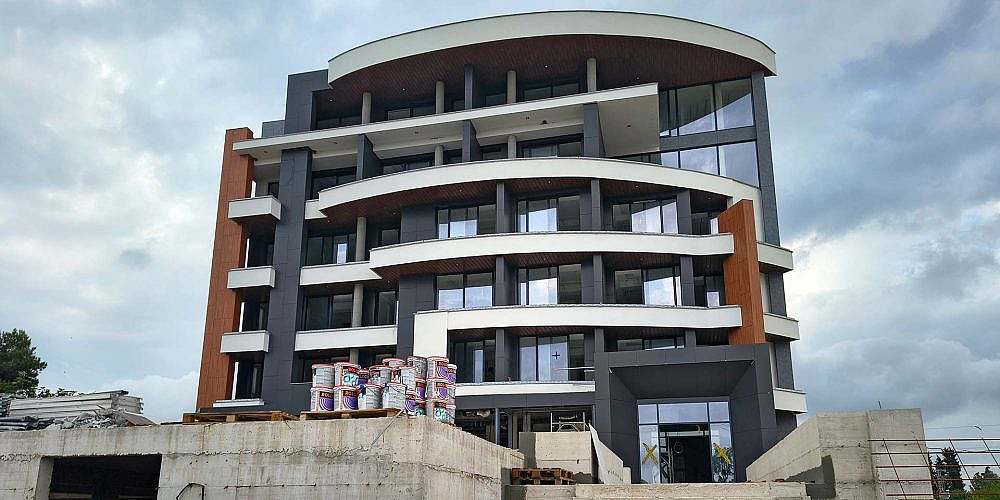
The journey to Ulcinj leaves us feeling down. Europe can save itself the next invasion. Montenegro looks like the Côte d’Azur these days: mega-yachts, casinos, traffic jams, masses of white luxury high-rises and packed car parks have completely ruined what was probably the last beautiful Wild West of the Balkans.
There are more construction vehicles on the roads than cars. At least everyone still drives like a maniac. But that’s about all that’s left of the wild shooting festival. We continue south on a four-lane road through dozens of 100-metre-class roundabouts. In the towns, pedestrian bridges cross the road every few metres. They are essential for survival.
Montenegro’s currency is now the euro. Prices are slightly more moderate than in Croatia. Yet greed and luxury are already charging ahead with confidence. Prediction? In ten years’ time, the glamorous Budva will have overtaken Cannes by a mile. Until then, you can still grab an eight-euro pizza in some restaurants – but Montenegro is no longer really cheap.
In Ulcinj, the four-lane future comes to an end. The roads narrow again. Only the numerous palaces continue to look like gigantic white money-laundering machines. I count their round windows.
In front of our rather modest palace, an old granny is perched on an even older sofa on the terrace. Headscarf, blouse, full skirt. The travelling folk are sitting down. She watches intently as we unload our belongings for the first time after a two-week camping trip on the road. Then her husband moves his brand-new white Mercedes AMG to make a parking space for us.
The internet is non-existent. For two hours a day, 20kb/s trickles out of the Wi-Fi. The rest is practically zero, even via the Firsty app.
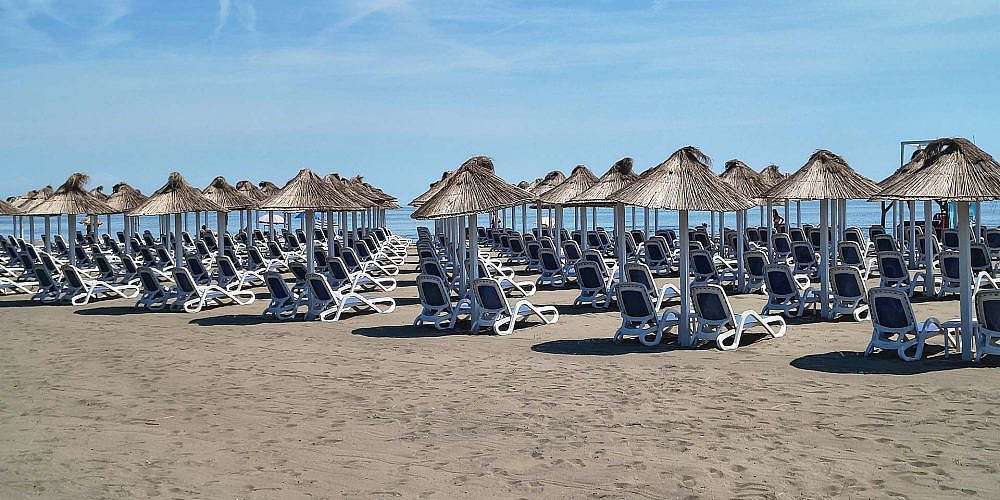
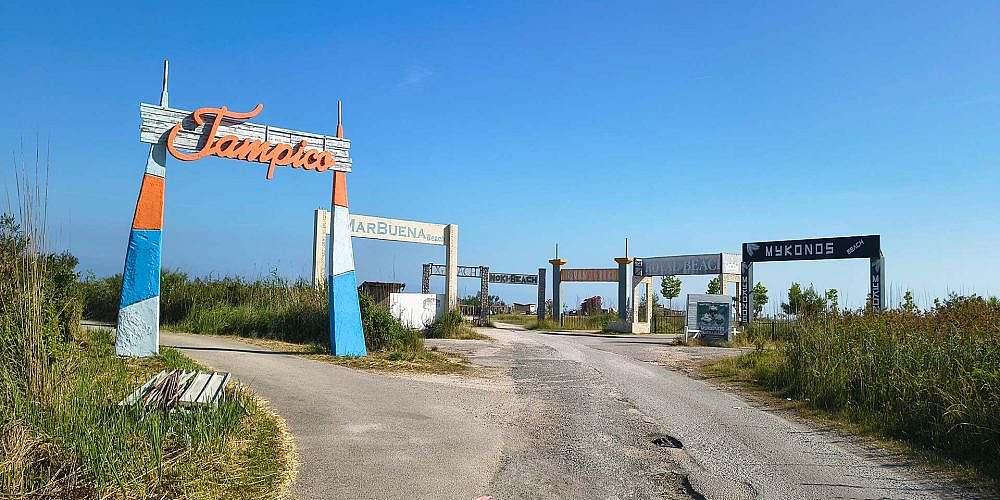
Velika Beach remains unchanged, as far as the eye can see. For some beach operators, the season runs only from mid-June to mid-August. Grey, powdery sand is already scorching hot in the sun by early June. A few guests are scattered across rows of white and blue deckchairs.
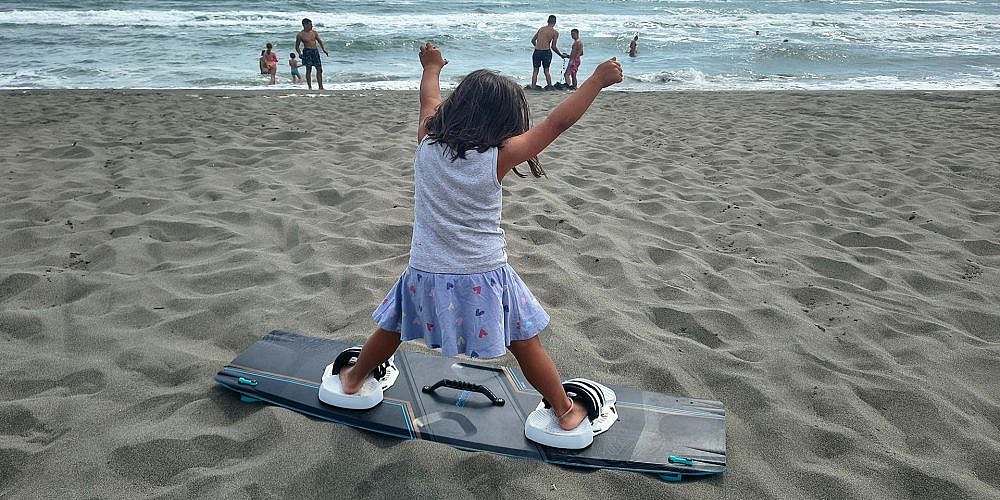
The Smurf plays happily with new friends on the beach. She loves the water. Not even her first head-high waves can scare her. The very first big wave of her life knocks her over. Spitting out sand. Laughing. Again! Utter admiration and love.
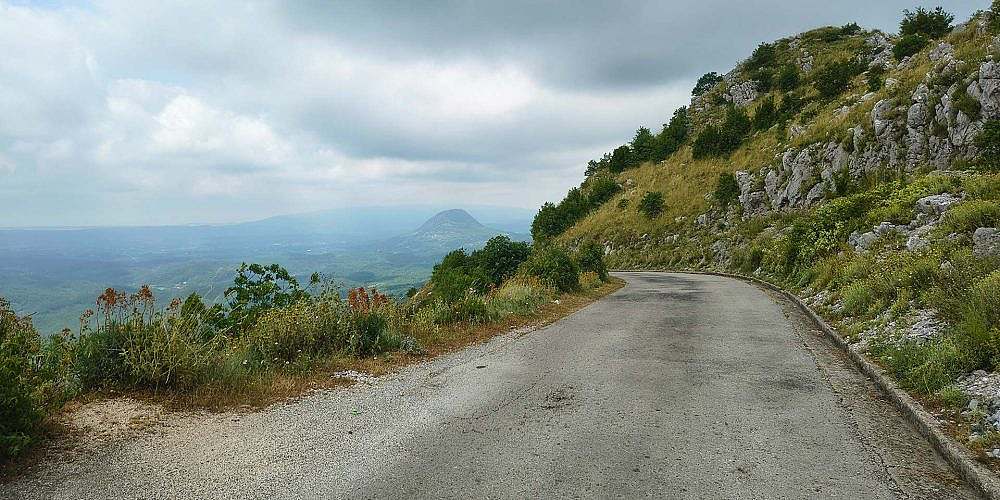
We drive into the hinterland. Here the roads are still wonderfully narrow, winding and so badly damaged that they’re best described as ‘a metre of flat asphalt between two potholes’. I love roads like this. They don’t shout loudly ‘Growth, progress, safety – and everything neatly laid out!’. They are the lifeblood of our road trip. A dead marten is stuck to the road.
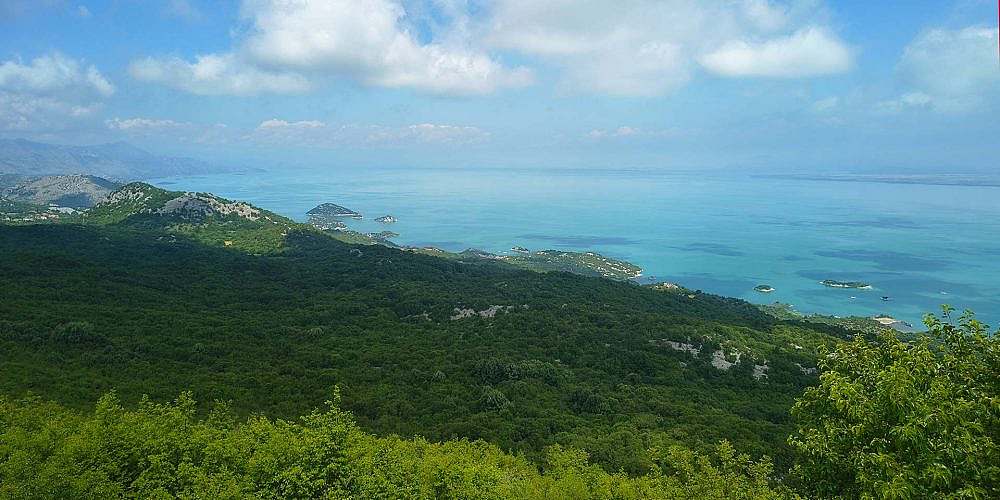
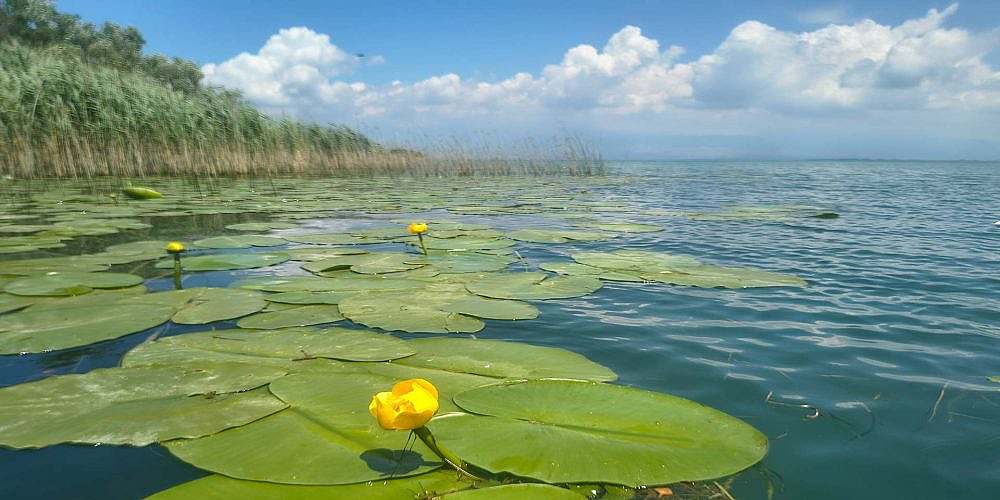
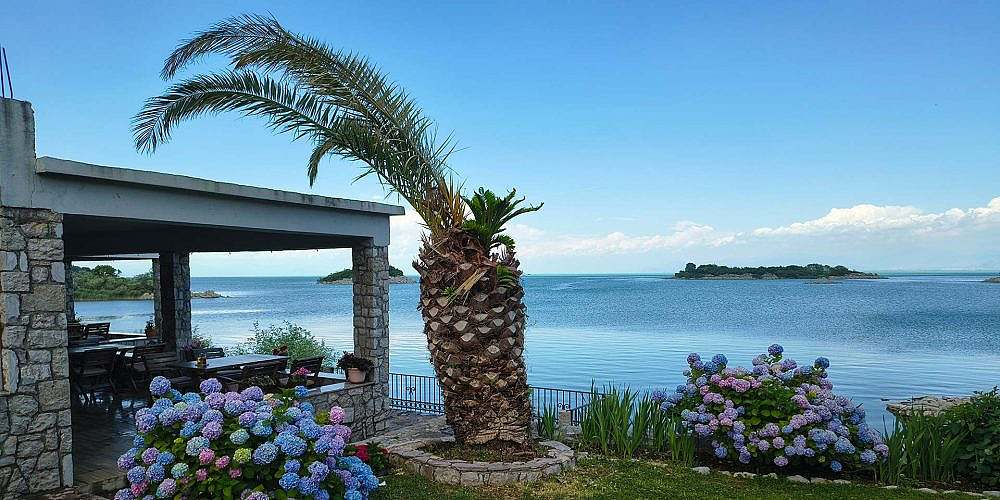
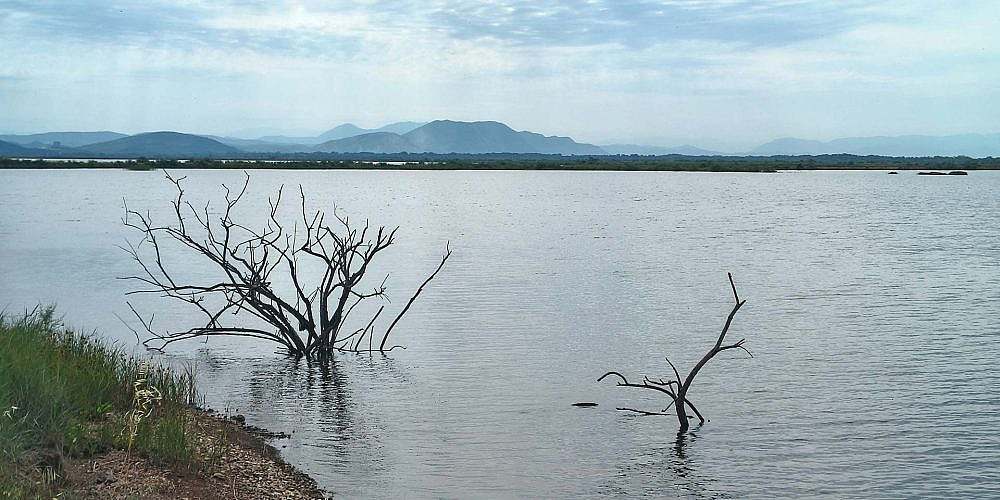
Anyone who doesn’t believe that Montenegro will soon have overtaken Cannes in every single respect should please drive to Lake Skadar on the border between Montenegro and Albania. Forget the Côte d’Azur today! From the top of the pass, emerging from the clouds, we gaze upon the bluest lake of our lives. The roads grow ever narrower. Eventually, they end in an empty harbour basin overgrown with water lilies, in the middle of nowhere. There is not a soul to be seen far and wide.
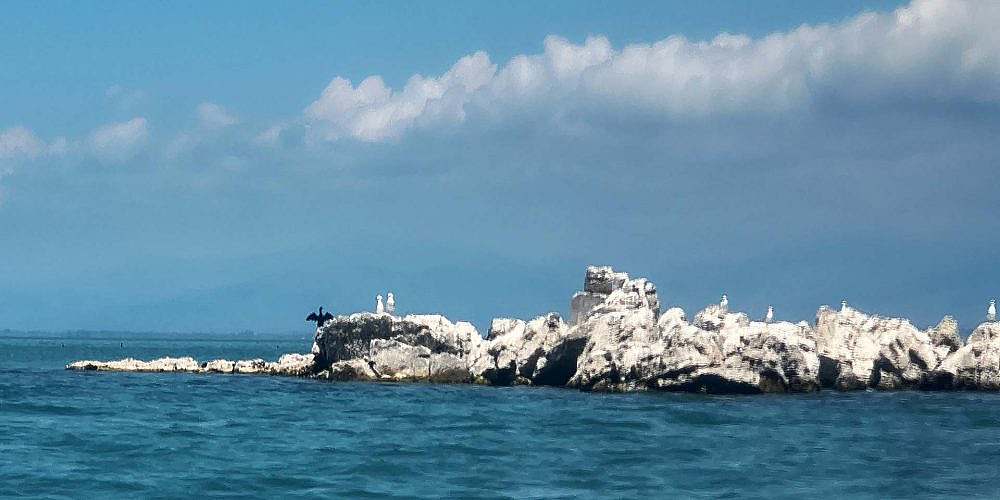
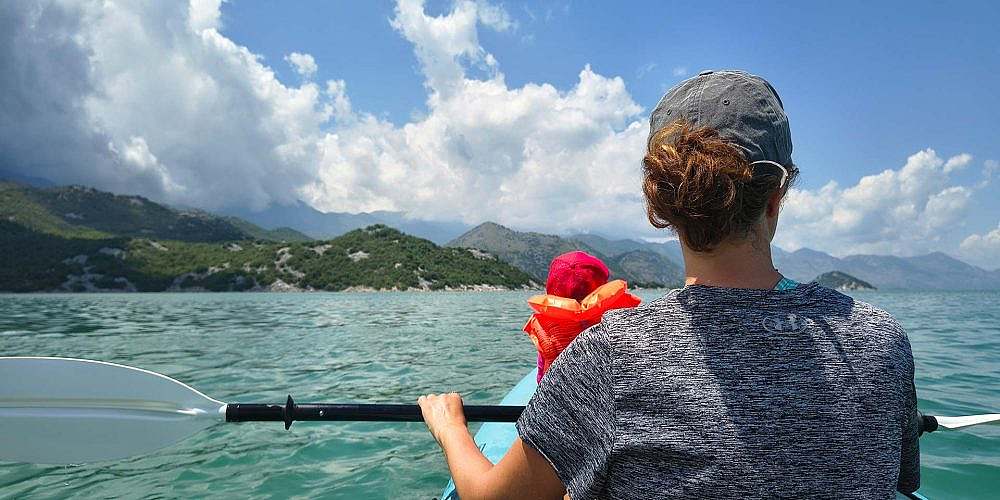
We inflate our canoe and paddle out onto Lake Skadar in the glorious sunshine. The variety of birds is almost beyond counting. Our little one is amazed by great crested grebes, cormorants, seagulls, and even a few pelicans fishing. On the islands we circle, there are whole rows of herons. A small hut serves the only fish in the lake: carp and eel.
Back in Ulcinj. We want to see the old town. With a few exceptions, it’s one big mobile phone parking zone. One street offers free parking. But somehow all my alarm bells are ringing here amidst smashed windows, drunks and graffiti – and with €3,000 worth of kitesurfing gear in the roof box. We struggle our way through the extremely narrow and chaotic centre for half an hour. In the end, we end up amongst a crowd of Roma at the rubbish tip. Sometimes giving up is simply the best option.
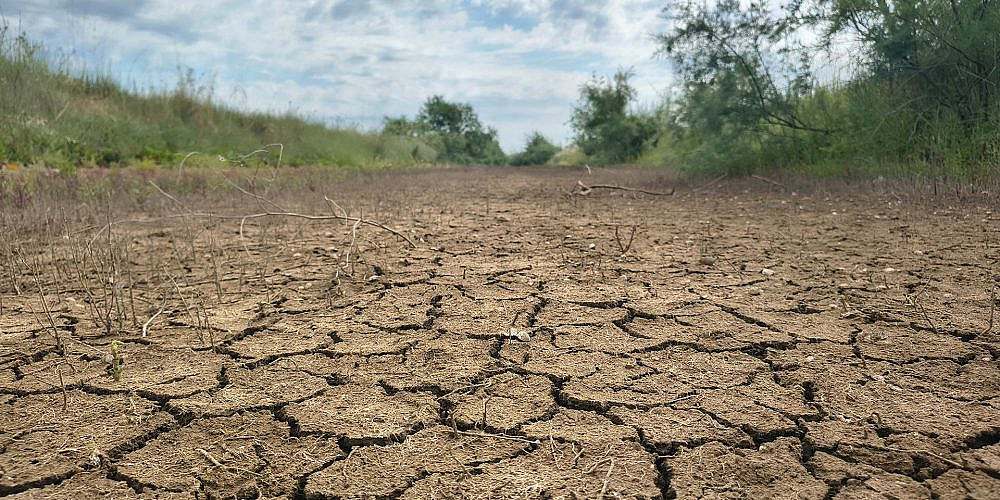
The long-abandoned salt flats of Ulcinj are famous for their more than 250 species of birds. The little Smurf bravely pedals a few kilometres through the 15 km² area. Around three per cent of all Europe’s migratory birds stop off here on their journey. We see hardly any birds along the nearly seven-kilometre walking route. You can only hear many of them.
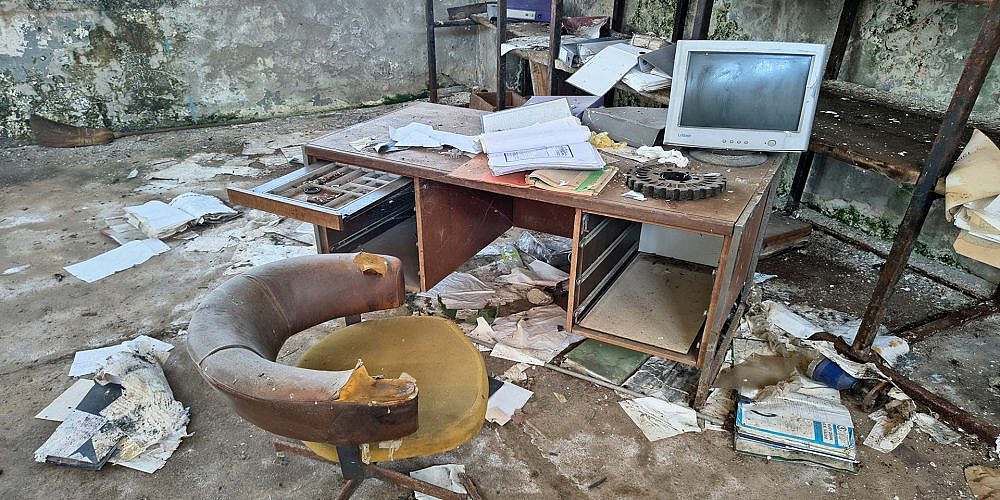
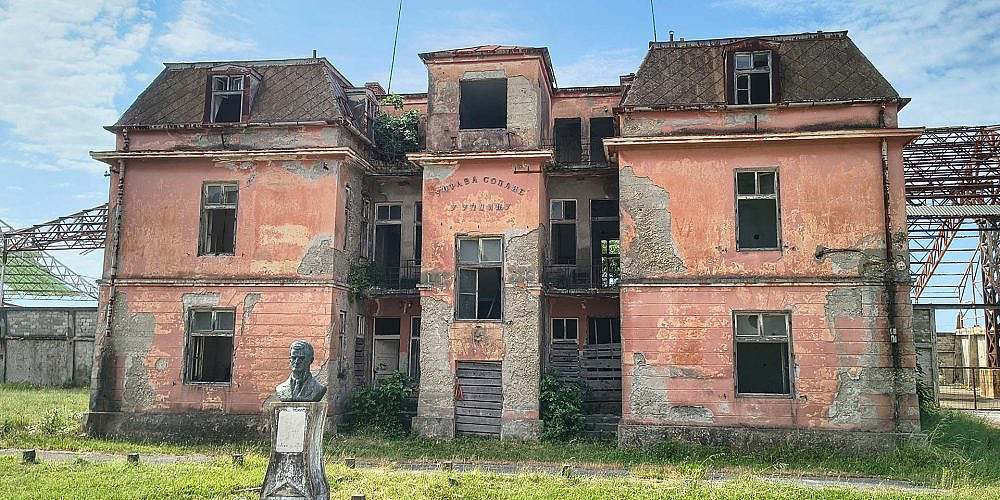
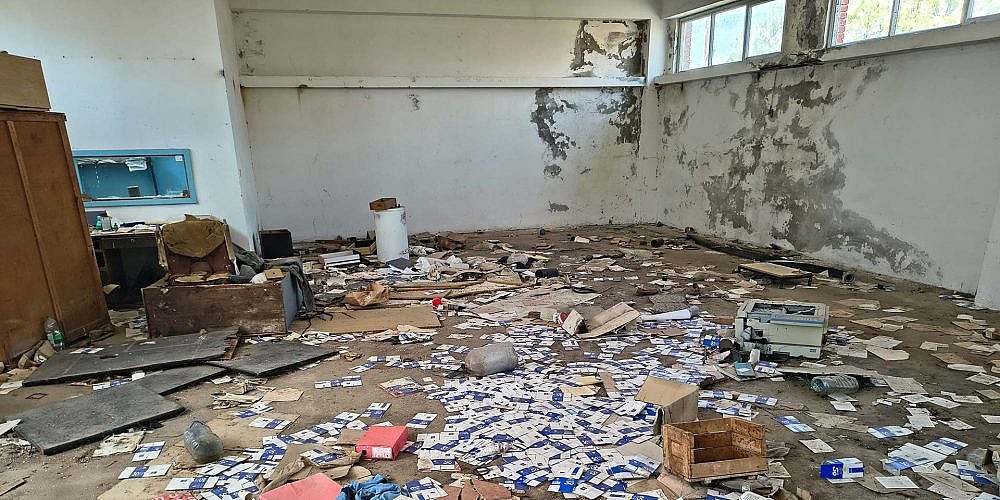
At the end point, I hear a large flock of flamingos. Behind a canal with no bridge, with dense bushes in front of it. The old, dilapidated factory buildings, which are only loosely fenced off but full of equipment, are well worth a visit. For flamingo watching, any lagoon in Sardinia is better, cheaper and easier.
On the last day, we end up more or less by accident at the snobbiest spot in the whole of the Balkans. Trophy chicks in full war paint and bling are lounging alongside Q7 owners whose cars are unroadworthy on €20 sun loungers at the Dolcinium Beach Club. Fragments of a memory of a legendary night long ago briefly surface – only to be immediately washed away by a wave taller than a person. The wind remains completely absent.
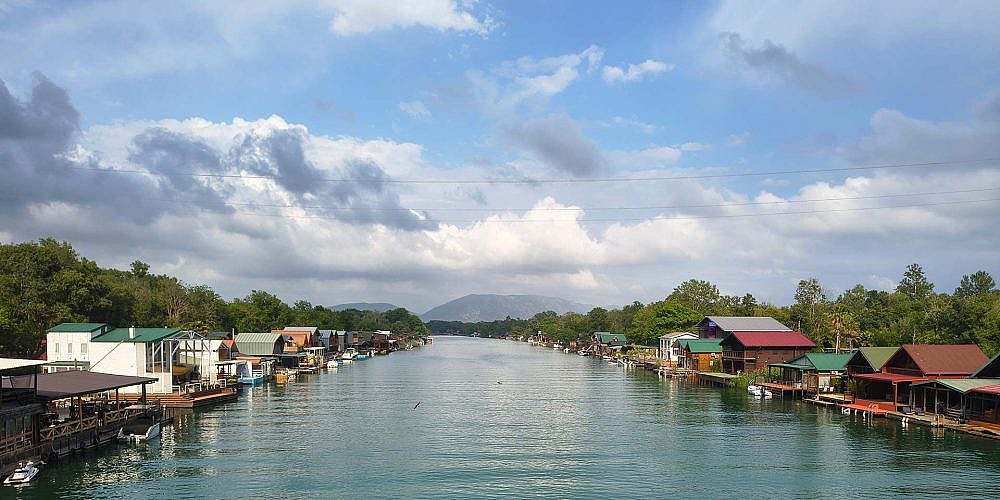
We flee to Ada Bojana near the Albanian border. The tour comes to a halt at a barrier with high entrance fees disguised as parking charges for restaurants that are now even more expensive. The old, small stilt houses of Uncle Tom’s by the river, which used to be here, are now the weekend palaces of wealthy Montenegrins. A heavy thunderstorm is brewing. It’s time to go. Poor, rich Montenegro…
 Frank Woelky, born in 1973. Kitesurfer since 1998. Since 2006, I have been combining kitesurfing and web design on trips lasting several months off the beaten track.