

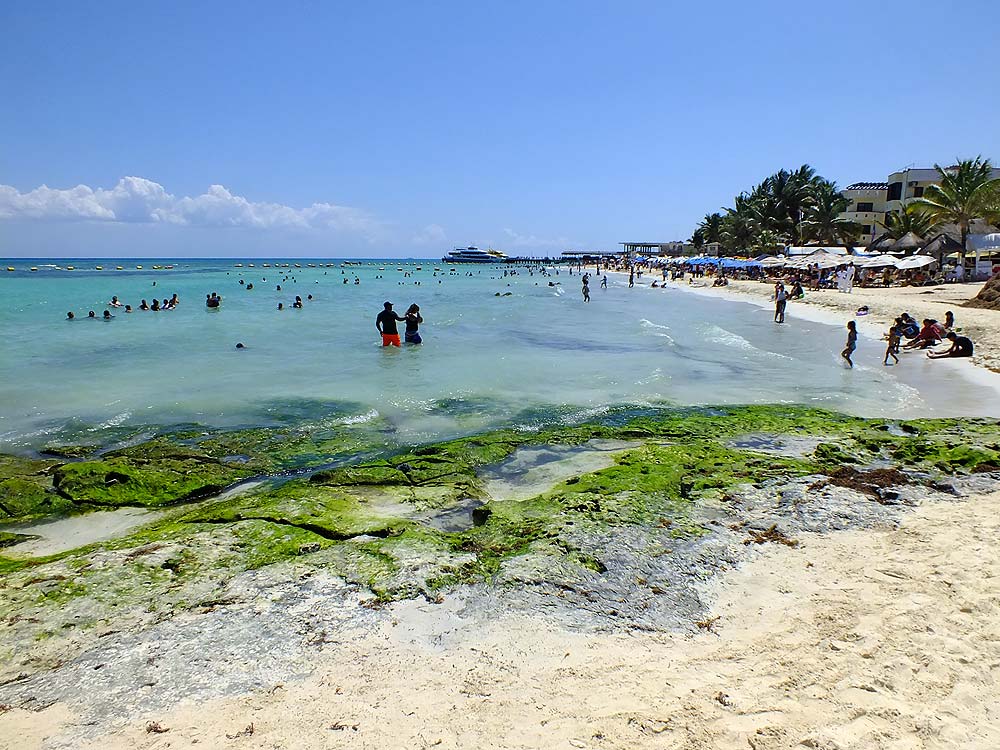
My Panamericana journey is coming to an end. Sicilia-Roomie Carmela takes me on a 10-hour journey from Belize to Tulum. Mexico’s southern border is at least as awe-inspiring as that of the USA. Yucatan is the Mallorca of Mexico: the two-lane highways have no potholes. Trucks and supermarket chains are American. At Easter there are more tourists here than inhabitants.
The marketing of the Mayan culture far outstrips the promotion of folk music in the Musikantenstadel. Everything here is Mayan: beer, shops, tours, hotels, even condoms. After the Conquista, the Mayans apparently caught the travelling bug. They emigrated to all corners of the world. That’s why today Mayan clothing comes from Bangladesh, Mayan stoneware from India and Mayan hammocks from China.
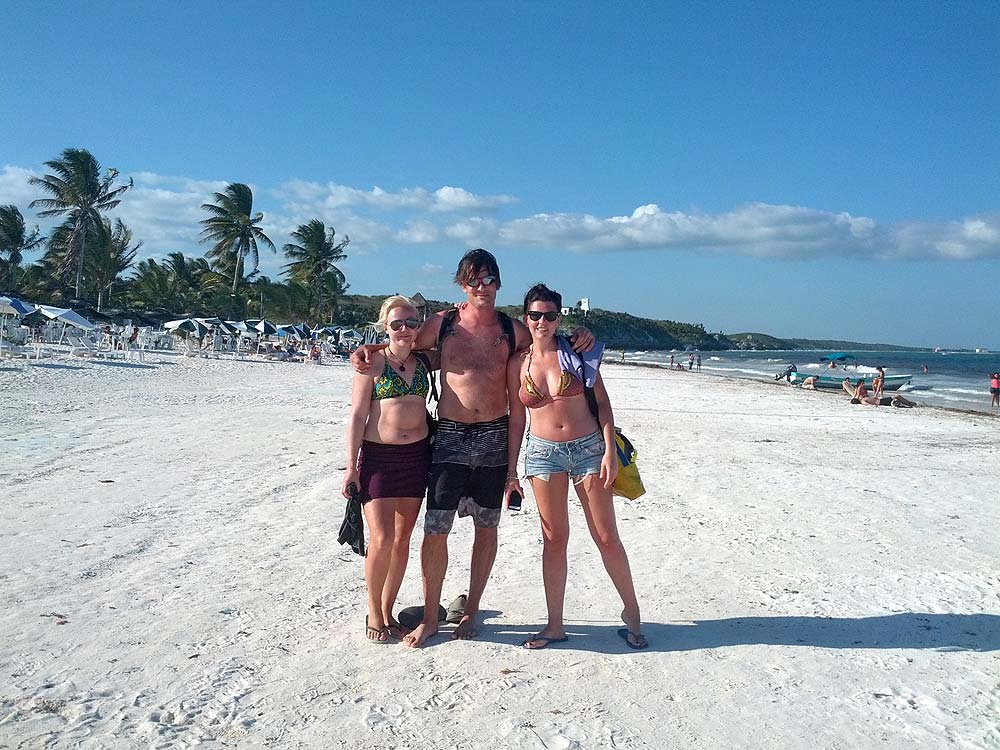
Tulum is extremely divided into two parts: in the centre are the cheap accommodation, bars and restaurants. The international jet set frequents the beach promenade four kilometres away. We treat ourselves to a few luxury treatments with the best Viking, Cecilia, and quickly splash out €70 each for divine steaks and good drinks at Casa Banana.
The neighbouring Gitano serves as the headquarters of the rich Central American beauties. They are bored to death bobbing to the soft sounds of international DJs. I woke up three times during my two visits there: €12 for rum and coke as the cheapest mixed drink is a good alarm clock.
In the centre of Tulum, good bands play in one of the bars every day during Semana Santa. We put the pedal to the metal one last time, but the air is pretty much gone. I have never partied so much, so long, so often and so hard on any other trip. However, I have also never met so many golden people, and I am very grateful to you all for that!
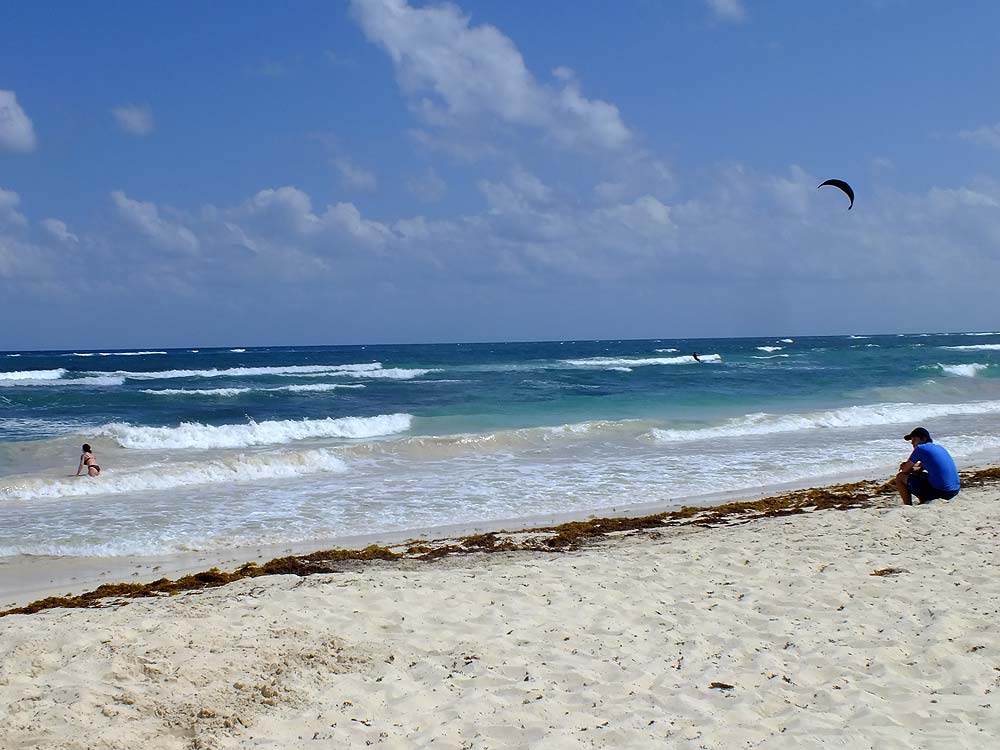
The wind is quite tired in Tulum for a whole week. Once I go out for a good half hour in 15 knots through some nice waves off the Papaya Playa Project. But constantly cranking upwind in front of a partly rocky coastline on the leeward side in sideon breezes is just not my thing.
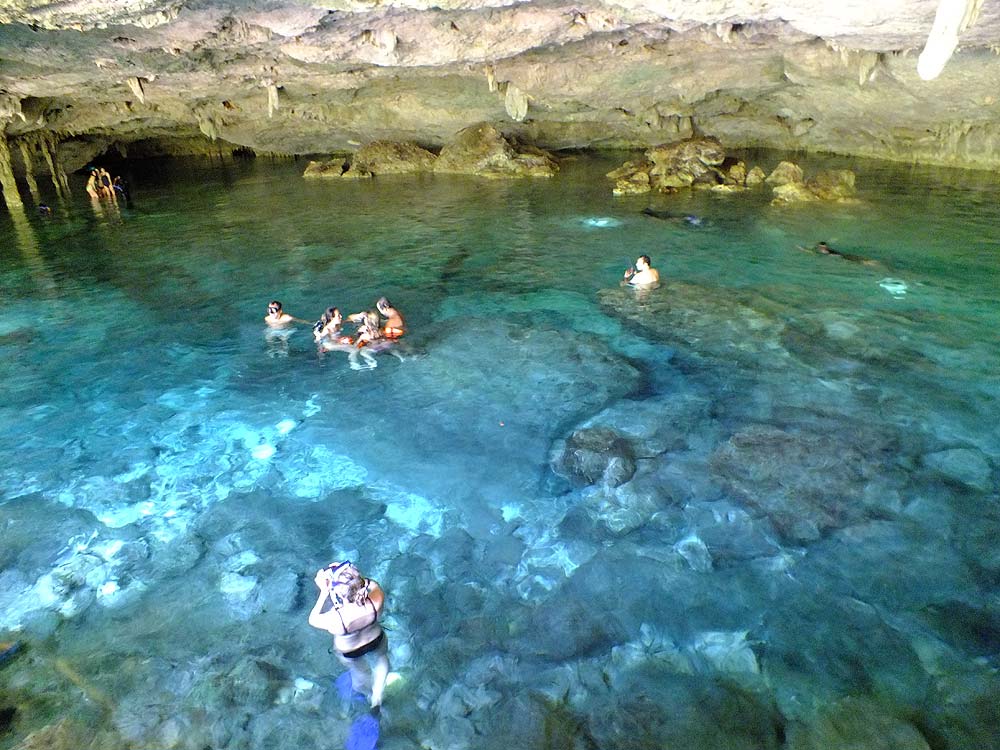
Instead, we indulge in some culture and nature. In many places, Yucatan’s subsoil consists of karst rock. The crystal-clear water of the cenotes there is perfect for diving, snorkelling and swimming, as well as providing considerable monetary relief.
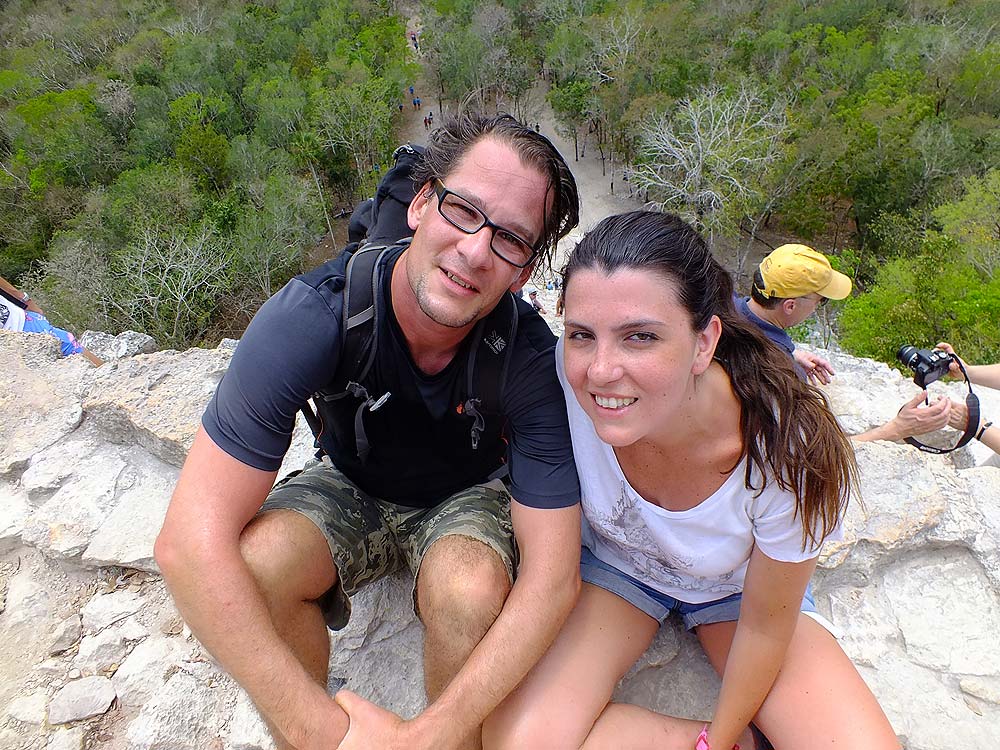
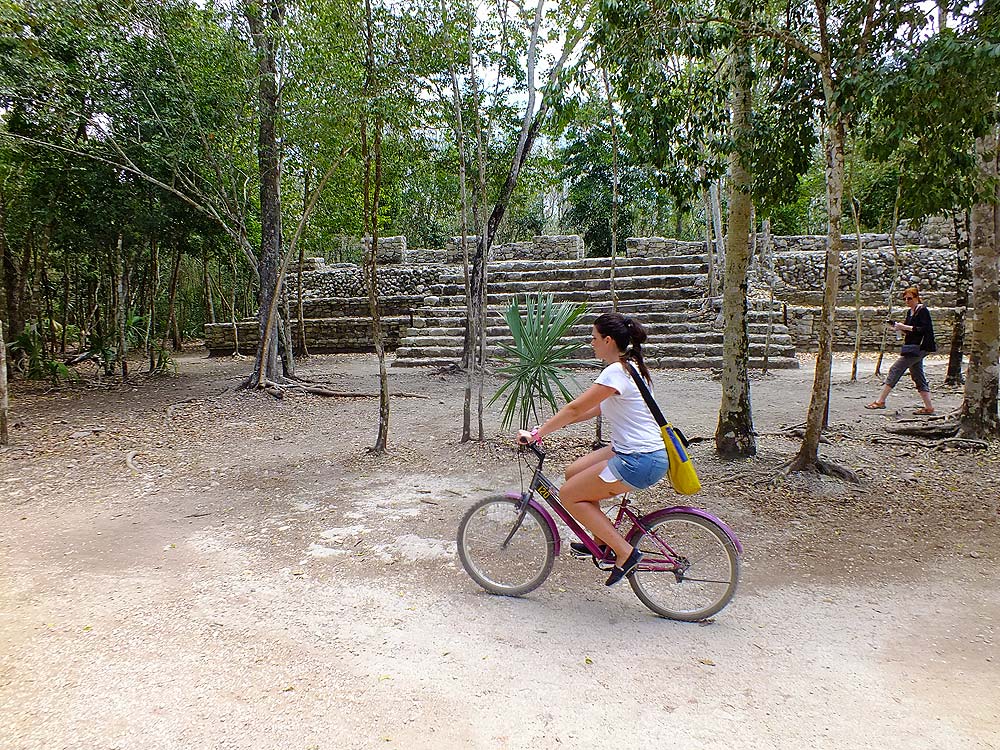
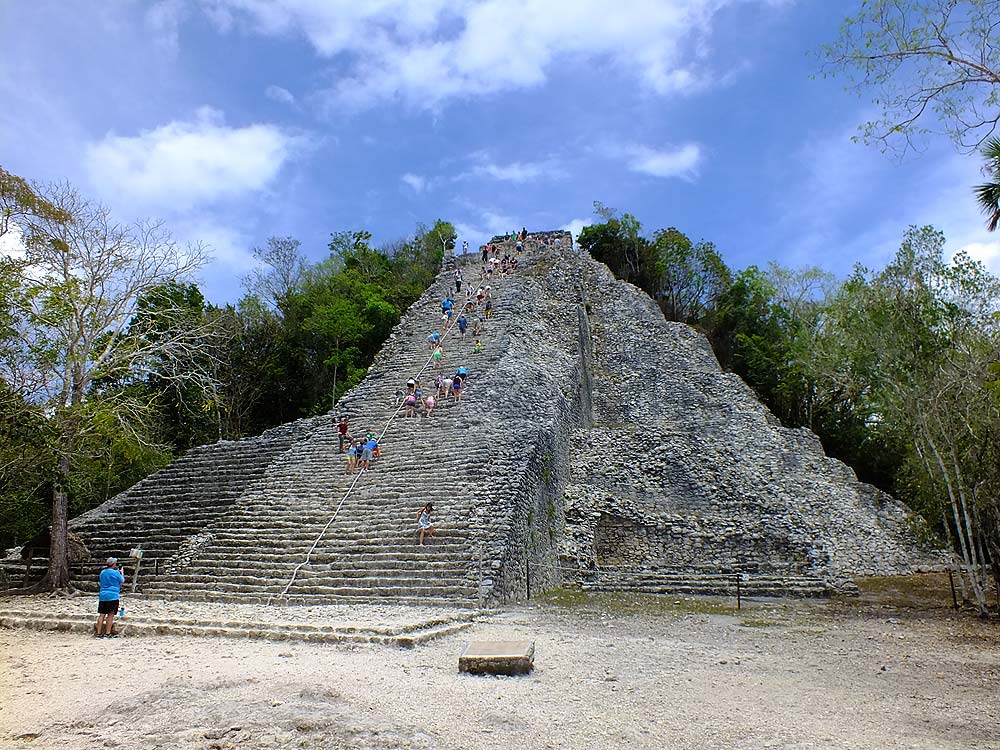
The Mayan settlement on the beach at Tulum is rather disappointing. So we travel another hour to Cobá, one of the most important Mayan centres between the first and 14th centuries. For centuries, up to 55,000 Mayans created one of the most important cultural centres in Central America. Just five per cent of the city, which once covered up to 80 km², has been uncovered today. The rest sleeps in the jungle beneath the highest pyramid in Central America, which can be climbed.
Full of good pictures, we make our way home. The ADO bus we have already paid for doesn’t turn up, but hitchhiking is always easier with women than without. A Mexican family takes us to Tulum in a rattletrap.
On our last day together, I wake up briefly in the middle of the night: “Hey, we wanted to go to the biggest Easter party in Tulum today!”. I’m tired, the party is calling, but my tinnitus is stronger. Carmela is probably right: “The parties are over.”. We’ll meet again, my friends, don’t know where, don’t know when…



 Frank Woelky, born in 1973. Kitesurfer since 1998. Since 2006, I have been combining kitesurfing and web design on trips lasting several months off the beaten track.