

The coastal mountains between Haifa and the interior are behind me. On the last descent down to the Sea of Galilee, 209 metres below sea level, a violent gust of wind grabs my car and almost throws it off the road. YES! Right spot! The strongest winds in Israel prevail here. The trees are bending at almost 40 °C.
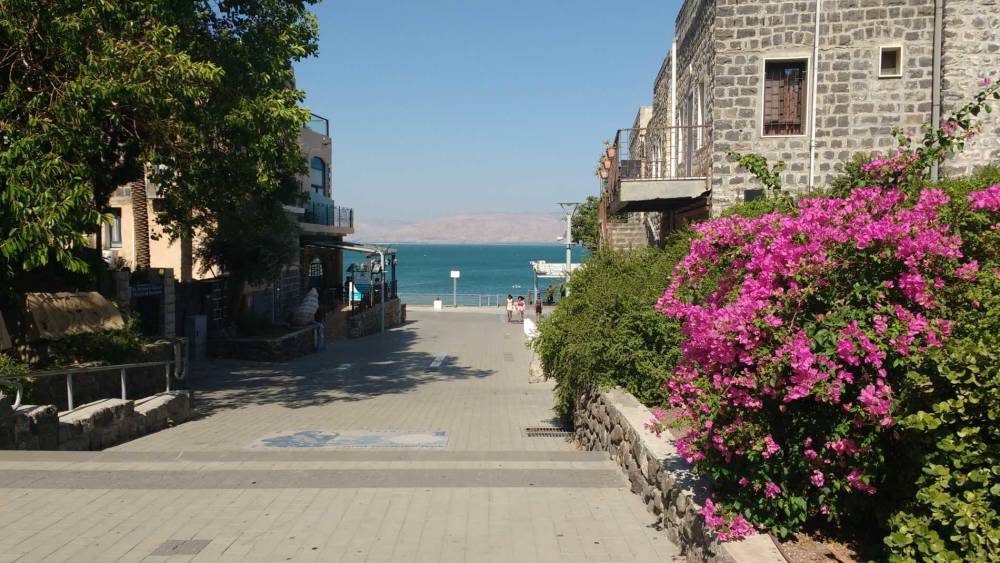
Tiberias is not too big, not too small and is located in the centre of an area whose cartographers would simply like to advise: please only mark where there is nothing super historic to discover! Much less work. But you do the work. Three world religions, places where Jesus worked, crusades, wars, 5000 years of history and nature. Variety would be a gross understatement.
The Tiberias Hostel is located in the middle of the city, offers a roof terrace with a view of the nearby Sea of Galilee and is home to the most colourful mix of nations and types of people that I have ever encountered on all my travels. Everyone has a story. The Cape Town man was addicted to alcoholism. His cirrhosis of the liver gave him only a few months to live. Jesus appeared to him in a coma. The next day he was healed. Now he is a missionary in Iran.
I don’t believe in miracles. I believe in the magic of stories. There are more of them here than anywhere else in the world. One American survived a fatal head injury and is now plugging the hole with faith. Four others – who spent a year travelling the world through 30 countries – spend the whole day streaming videos in the dorm, providing an amusing counterpoint to miracles and a life well lived. One day they actually watch videos in the communal area. They acknowledge my “Hallelujah, brothers!” with a confused look.
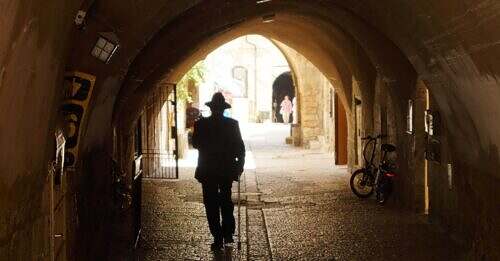
On the very first day, the thermometer rises to 44°C. 20.000 cm below sea level, the air is as thick as honey and damp as hiking socks. I have the utmost respect for the ultra-orthodox Jews in their full suits. It’s definitely suitable for winter, and they don’t even sweat in the blazing sun at midday. I melt into practically nothing non-stop. Five litres of water a day is the minimum.
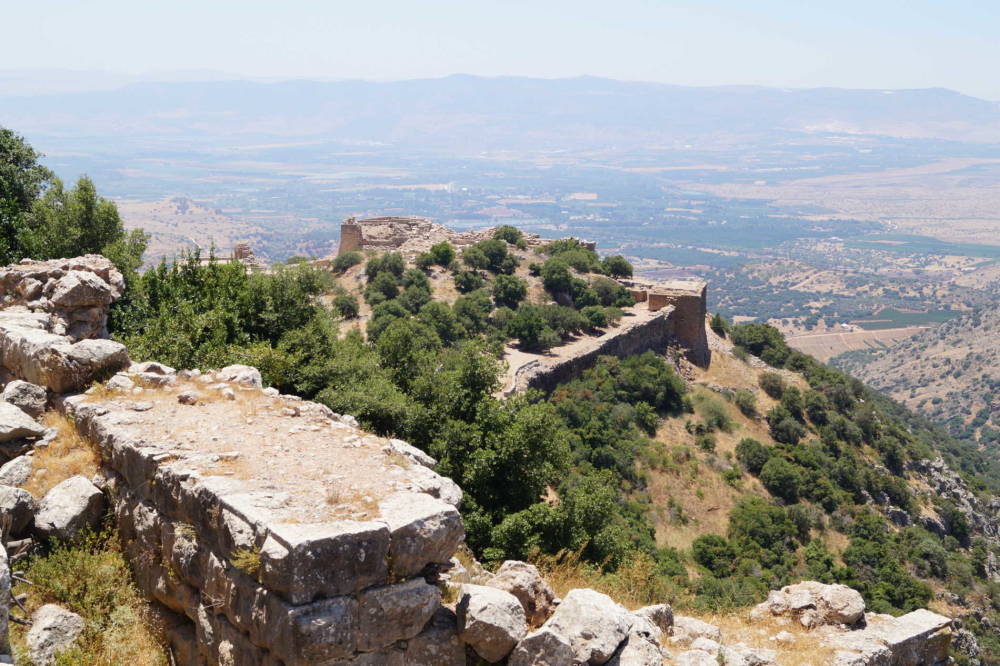
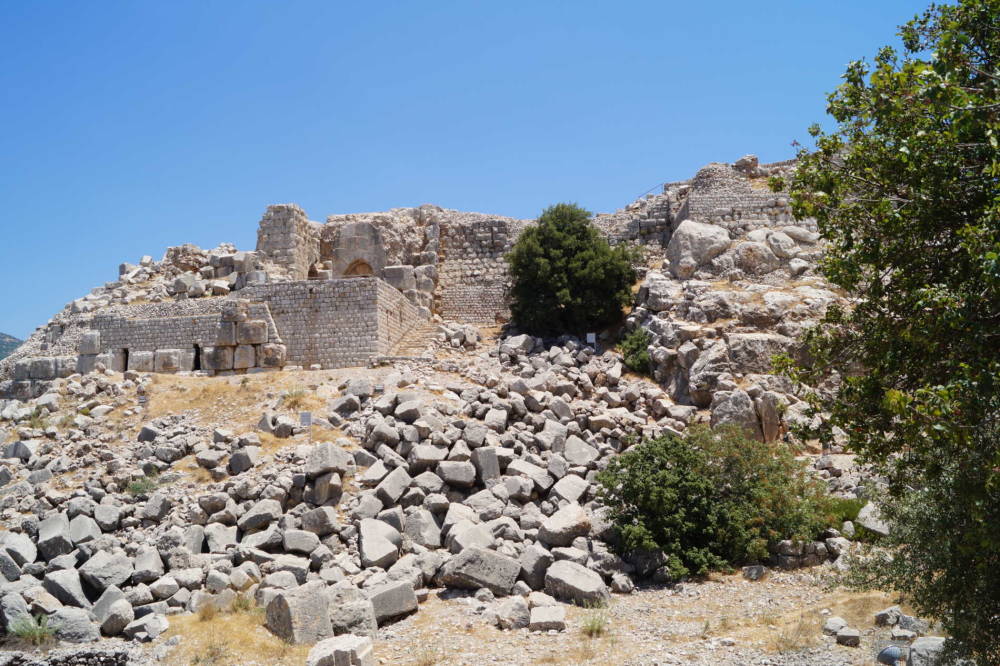
I flee to the Golan Heights. This is the orchard of Israel: bananas, oranges, mangoes, apples and even the date palms are simply too hot further down. In the border triangle between Jordan, Syria and Israel lies the 13th century Ottoman castle of Nimrod on an 850 metre high mountain ridge. The view is stunning, as are the secret passages, cistern, huge stone blocks and dimensions of 450 by 150 metres. But most importantly: it’s only 37°C up here. A few metres further on, I pass a fibreglass snowman, followed by a few “apres-ski” signs. Not reading travel guides brings great surprises. The UN is sitting on Mount Hermon today. The locals have opened the Cafe Anan up there. “Anan” means “in heaven”.
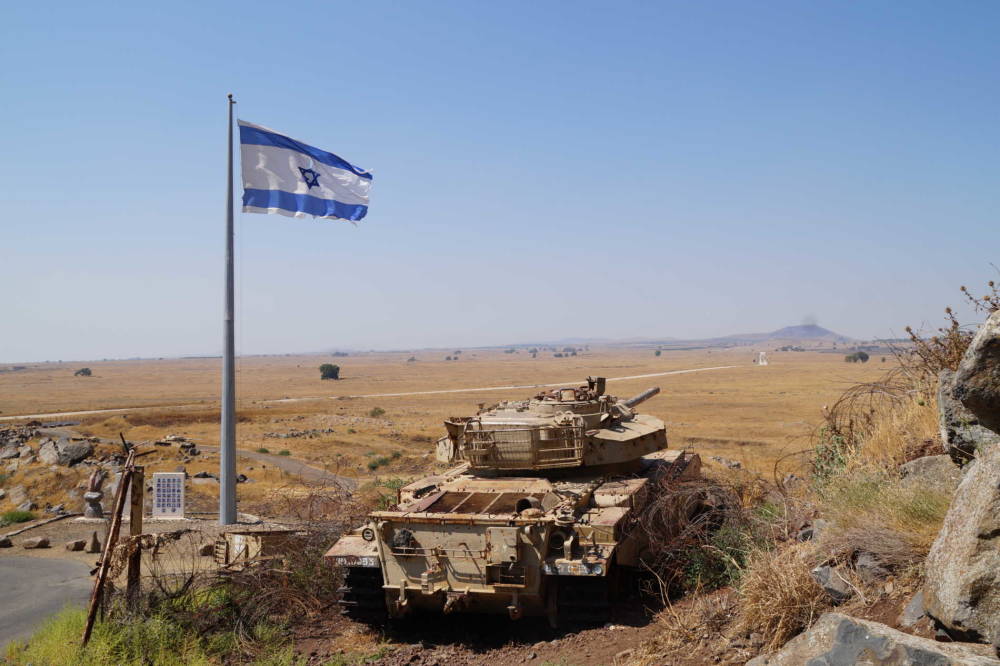
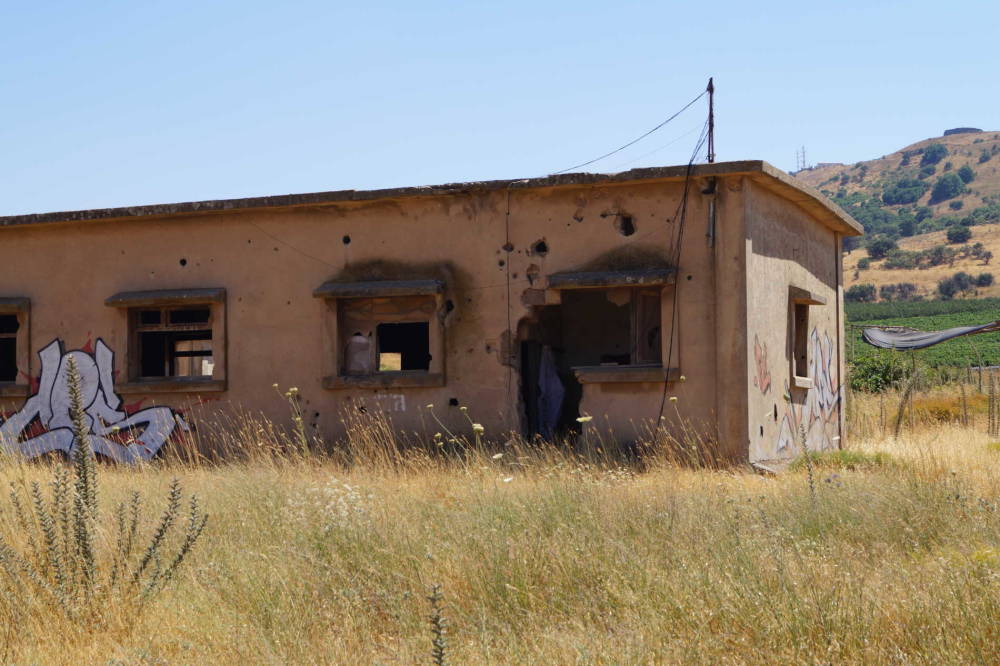
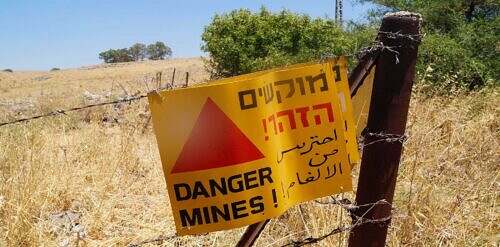
The ceasefire announced for Sunday is coming to an end. In the distance, I can probably hear Israeli artillery shells hitting Syria. Further south, I pass shot-up houses and numerous dead tanks from the Yom Kippur War of 1973 on side roads and come within 500 metres of the Syrian border.
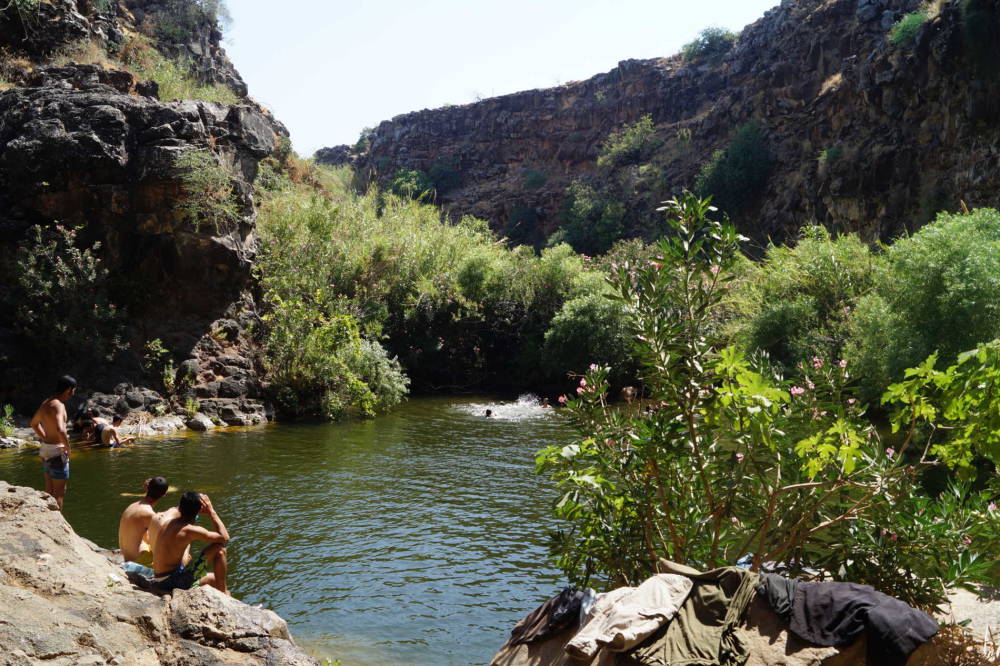
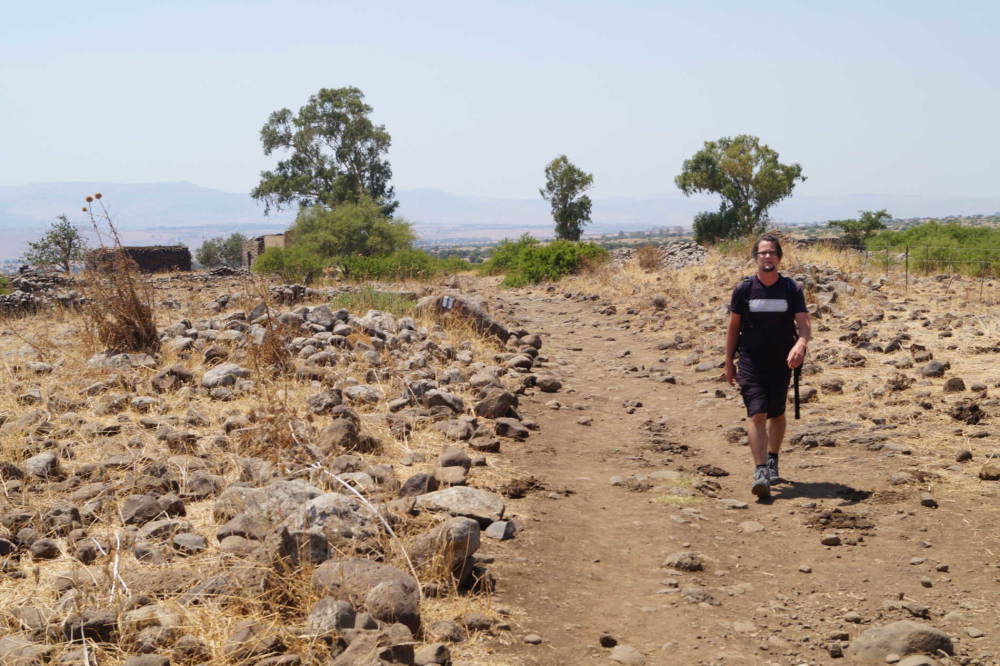
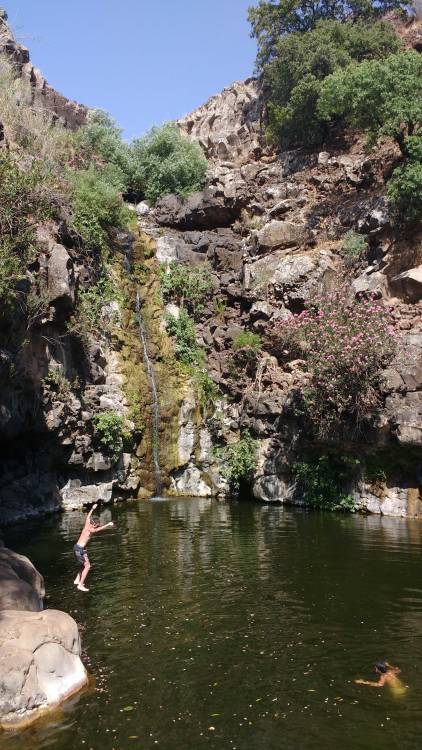
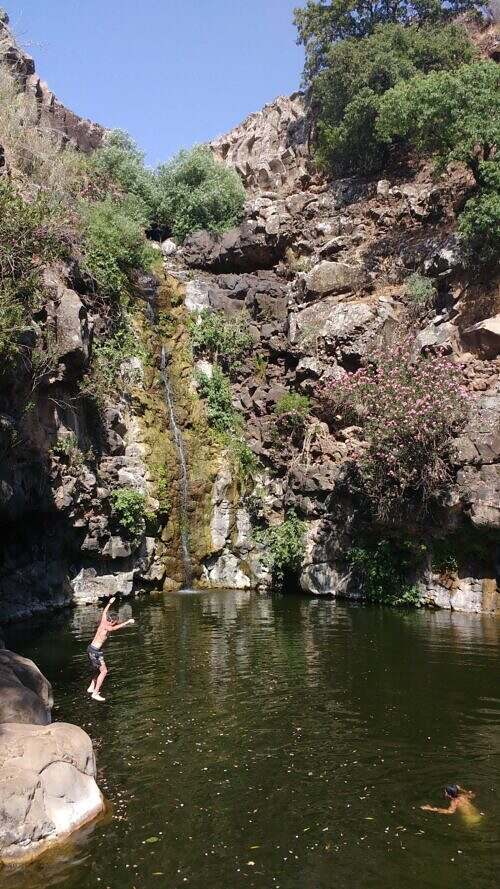
The next day, an American Jew takes me through numerous archaeological sites dating back to the first century and past St Peter’s Church on the shores of the Sea of Galilee up into the Yehudini National Park. With temperatures still above 40°C, even the short hike up to a lava canyon with a waterfall and natural pool becomes an extreme sport. The iron ladders to the bottom can only be climbed freehand. It hisses with your hands.
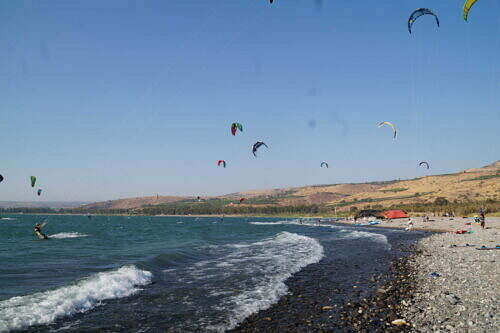
After two days in the doldrums, it’s time for wind. According to local kiters at Diamond Beach, the only kite spot 30 kilometres away on the other side of the lake, even thermal wind dies of heat death at over 40°. He has been in a coma for three days. But tomorrow the temperature is supposed to drop by 2°C and the wind is supposed to shift to the west – and then it’s supposed to be really nice with 20 to 30 knots. I head back home full of anticipation as the sun sets.



 Frank Woelky, born in 1973. Kitesurfer since 1998. Since 2006, I have been combining kitesurfing and web design on trips lasting several months off the beaten track.