

The Sea of Galilee lies in the centre of Israel’s most historic region, the Galilee. Believers of all world religions walk in the footsteps of their superstars here. The ancient Jewish settlement of Magdalena is located just ten kilometres from Tiberias, directly on the shores of the lake. An archaeologist talks about the history next to the remains of the synagogue, where Jesus most likely preached before Mary Magdalene. The new luxury resort right next door is funding the excavations.
The shrines of the world’s religions are lined up at small intervals around the Sea of Galilee. Jesus fed the apostles on the site of St Peter’s Church. A UFO church was built over his home a few kilometres away in Capernaum. Buses unload crowds of pilgrims every minute.
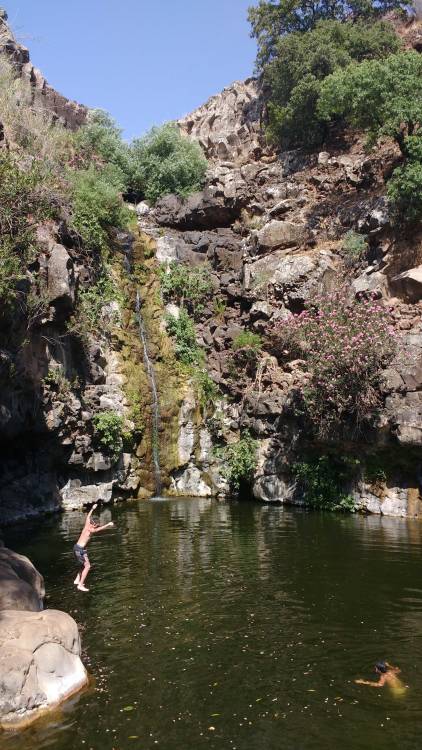
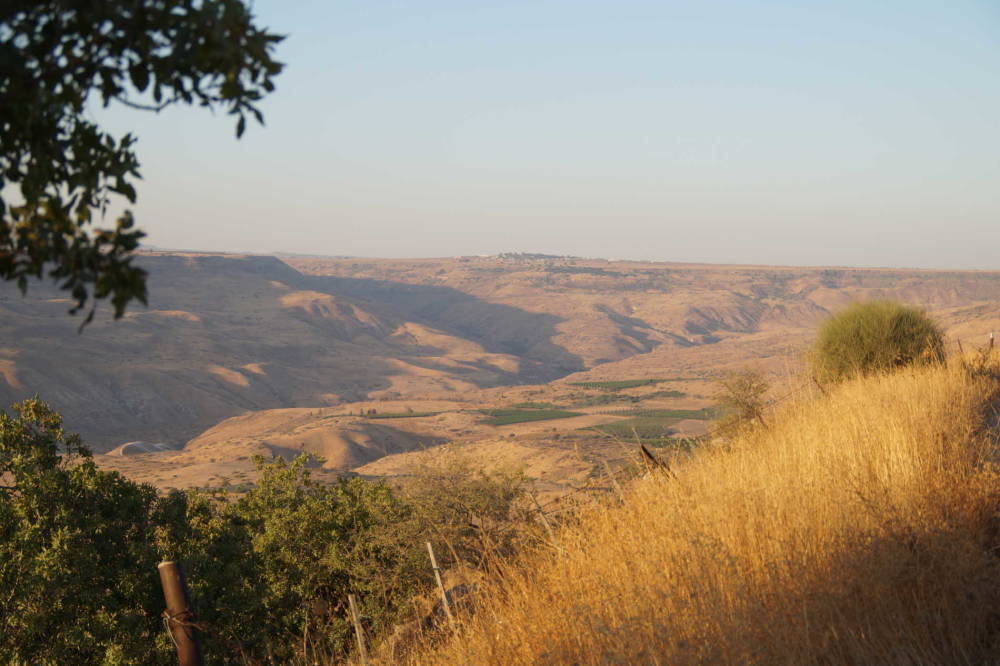
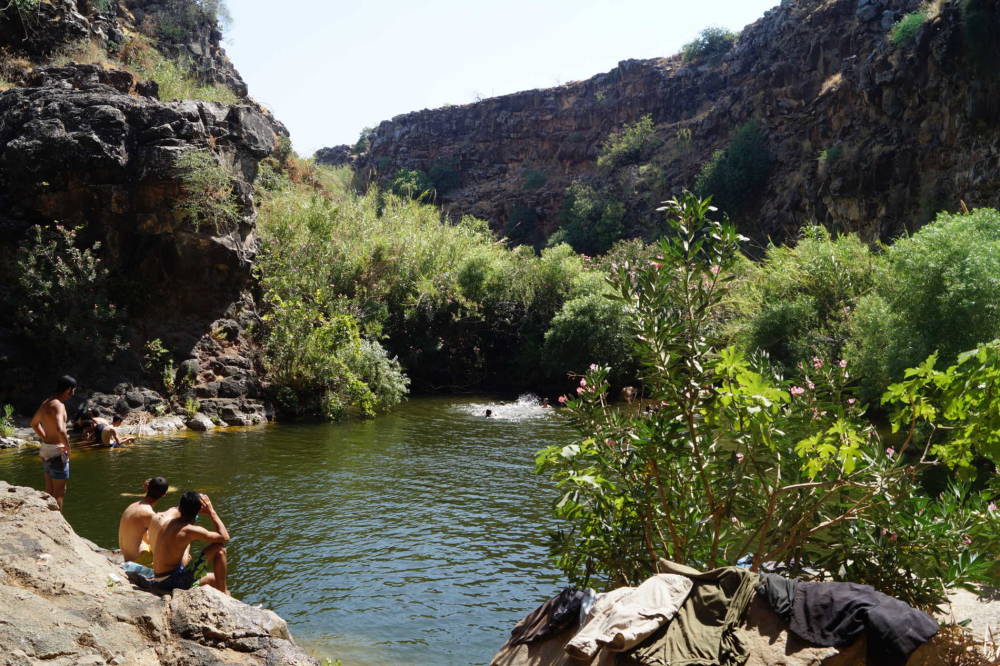
Once you’ve had your fill of religious history, there are plenty of national parks in the surrounding area. Yahudiya National Park is located in the foothills of the Golan Heights. Small streams squeeze over waterfalls through deep old lava flow gorges. Even the short hike with a descent over scorching hot iron ladders at 40°C makes a dip in the pool below the falls urgently necessary. The limits of our acclimatisation abilities are far exceeded.
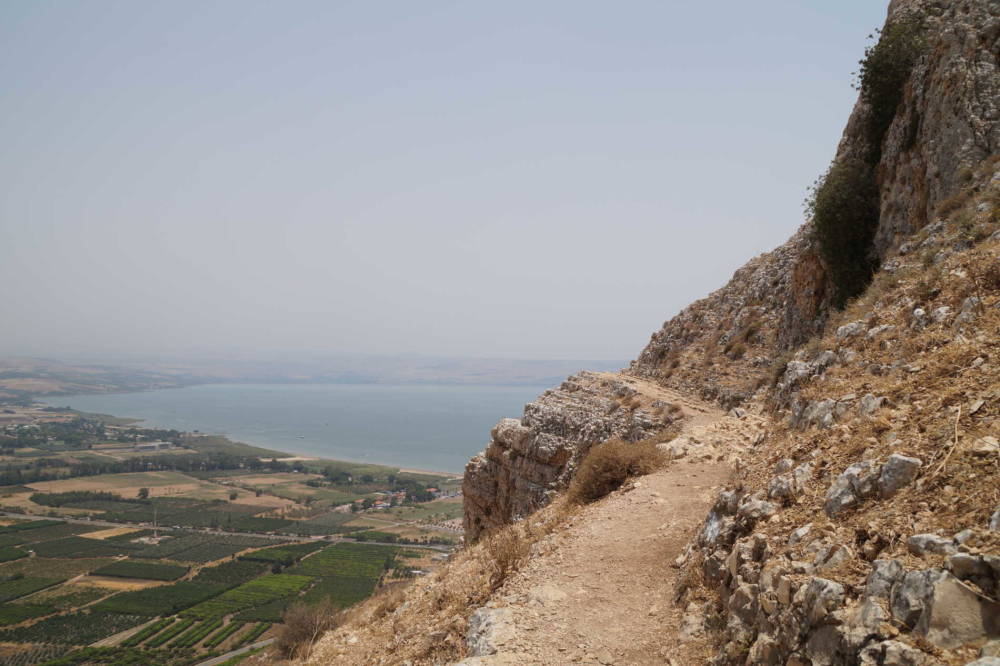
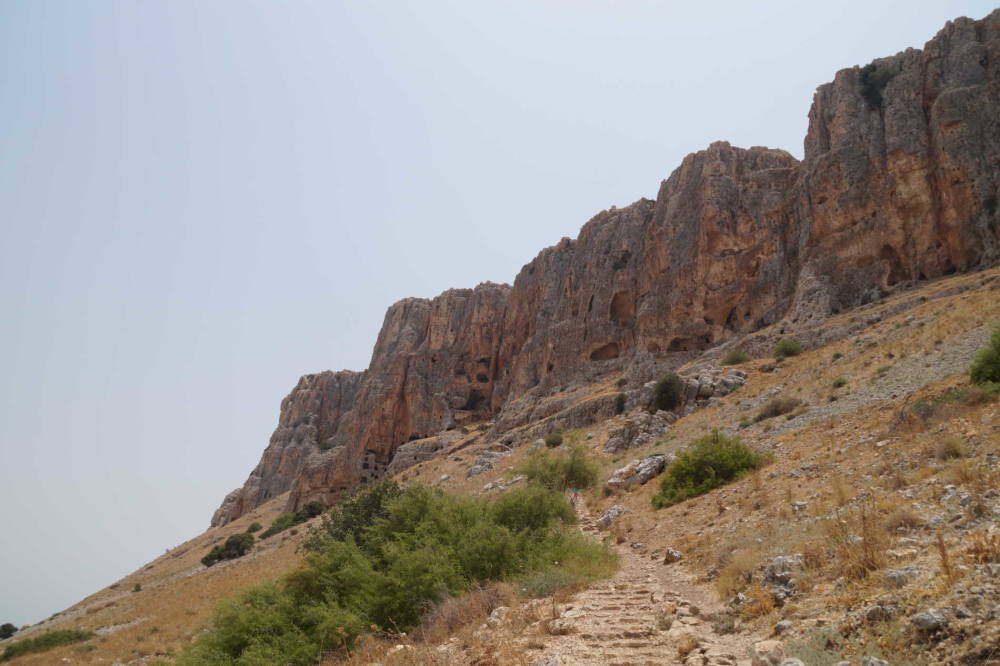
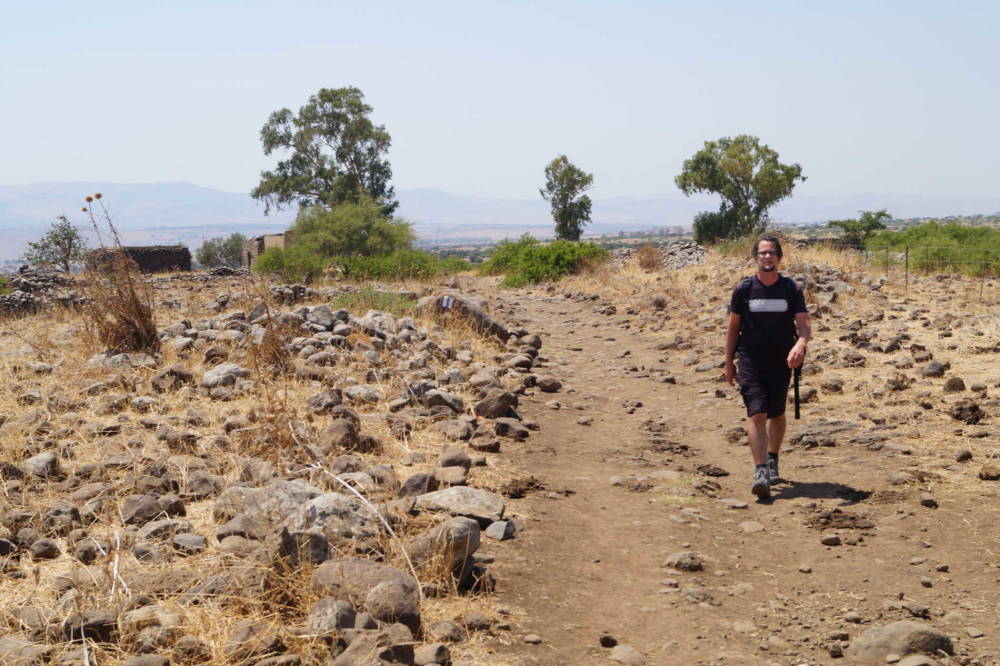
Two Israelis who give me a lift back to my car declare me crazy when I tell them that I have just climbed Mount Arbel from behind. “Nobody goes up there in July. It’s far too hot.” I climbed the almost 400 metres of quite steep and, in the end, even via ferrata-like altitude exactly at lunchtime. Heat exhaustion was not far away at 180 BPM. The 2000-year-old rock fortress in the middle of the cliff face is closed for renovation – the national park mercifully put up the sign after just 200 metres in altitude. The view of the Sea of Galilee from the top makes up for everything.
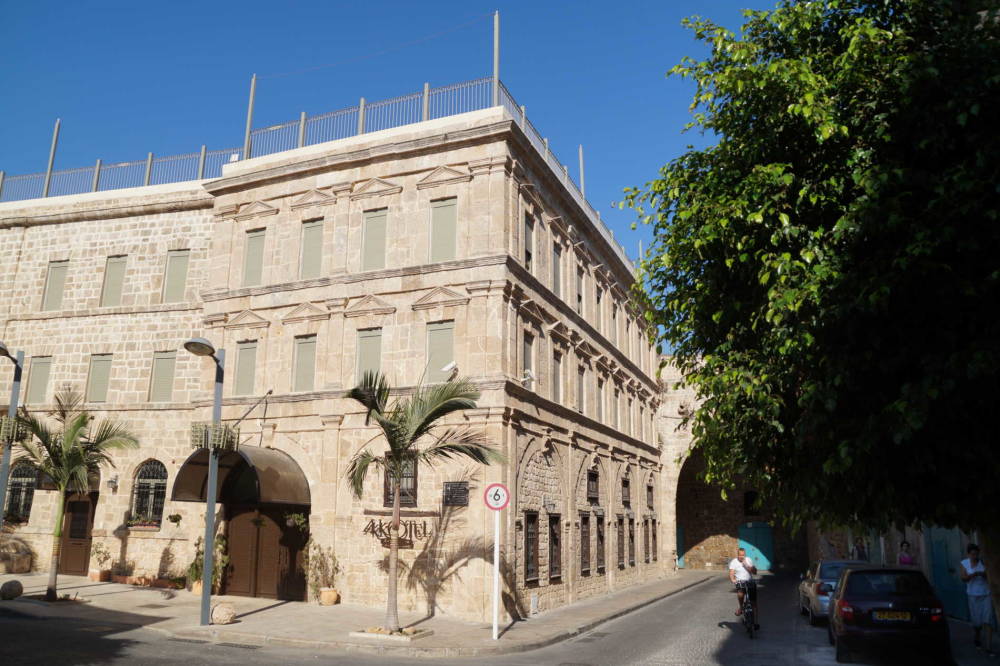
Acre is an old Templar fortress on the sea north of Haifa, whose history dates back to the 3rd millennium BC. Napoleon besieged it in vain in 1799 and successfully vented his frustration against the Ottomans in Egypt. Originally fortified by Arabs, the city was only taken by the Crusaders in 1103. After the reconquest of Jerusalem by the Muslims in 1187, Acre also initially came under Arab rule, but was recaptured just a few years later in the Third Crusade under Richard the Lionheart and proclaimed the capital of the Kingdom of Jerusalem.
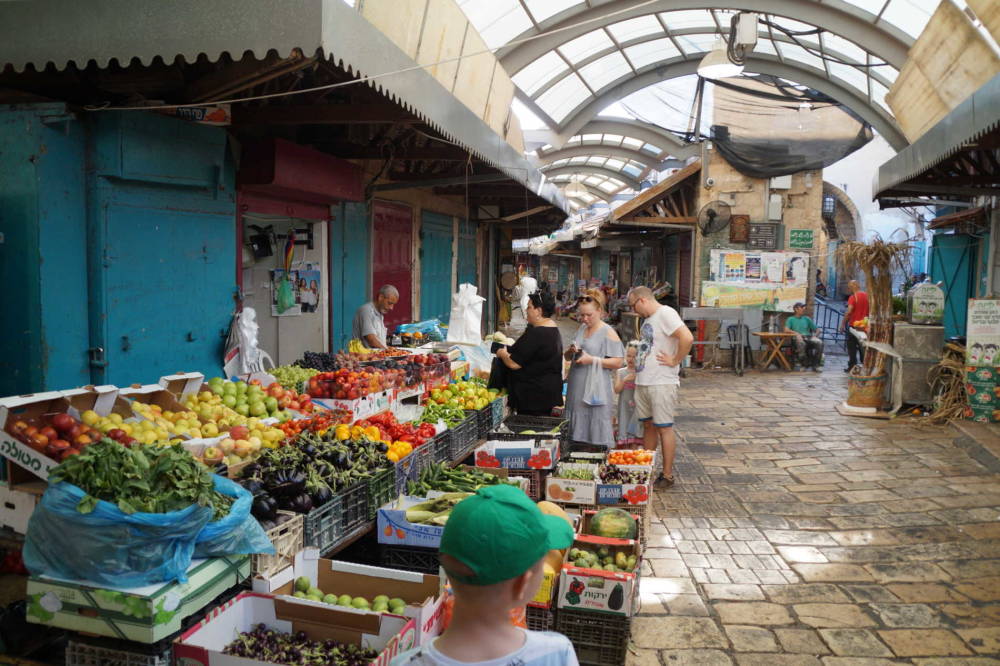
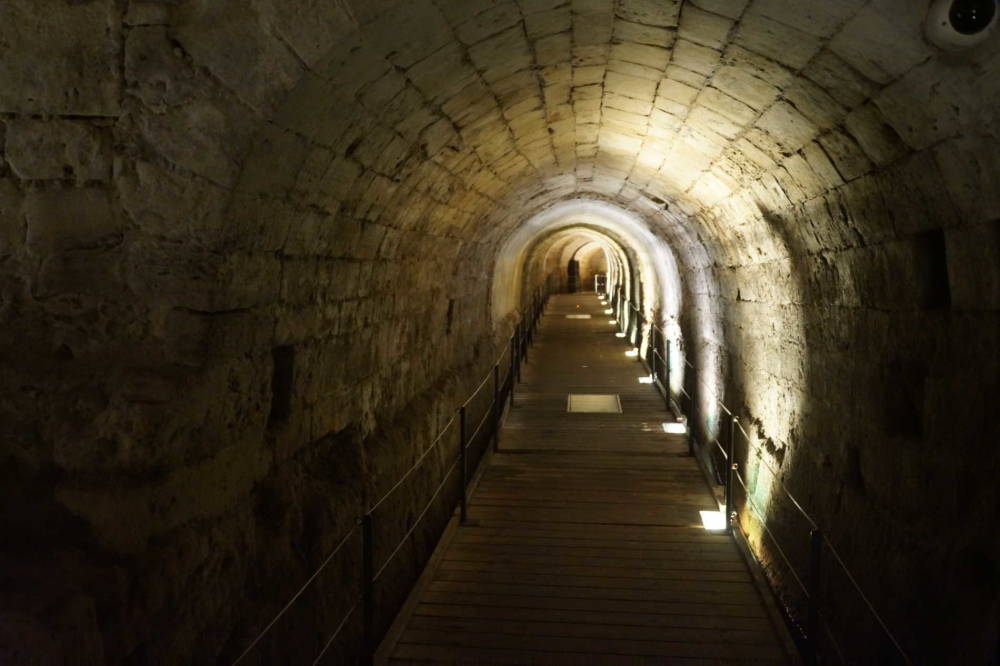
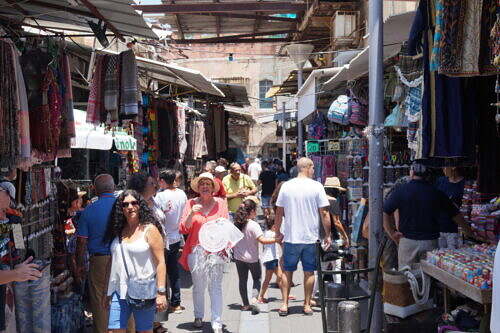
Deep below Acre lie the Templar tunnels, which were only rediscovered in 1994, with their wonderfully slippery wooden planks under which water flows. The citadel of the Order of St John in the centre of the city towers above the surrounding mosques and churches. Today, it is mainly Muslims who live in the World Heritage Site of Acre. The narrow streets are full of life and the markets are also busy on the Sabbath. Sailing ships pass by in the bay off Haifa. Horse-drawn carriages and cars crowd through the narrow historic centre.


 Frank Woelky, born in 1973. Kitesurfer since 1998. Since 2006, I have been combining kitesurfing and web design on trips lasting several months off the beaten track.