

The journey to Argentina from Chiloé is almost 500 kilometres by three buses and a ferry and takes a good 13 hours. After eleven rainy days, Chilean Patagonia bids me farewell with the most glorious weather. The border guards wave us through quickly, then it’s over volcanic passes past forests of tree corpses from the last eruption down to Bariloche.
Everything here is Swiss: the mighty fir trees, the deep blue lakes, the luxury resorts built from natural stone and whole tree trunks, the expensive cars in front of them – and the prices. Withdrawing money from ATMs costs at least six per cent, less money or the wrong bank sometimes 15%. Hardly anyone accepts credit cards.
My hostel is close to the tiny city beach. Although it is listed in the World Kitesurfing Guide, it is very busy in the height of summer – and the wind stays offline for two days.
Argentina offers a chip card for all local buses nationwide. Will Germany perhaps get round to this one day? Unlike the long-distance buses, which are easily two to three times more expensive than in my four previous countries, local transport is super cheap.
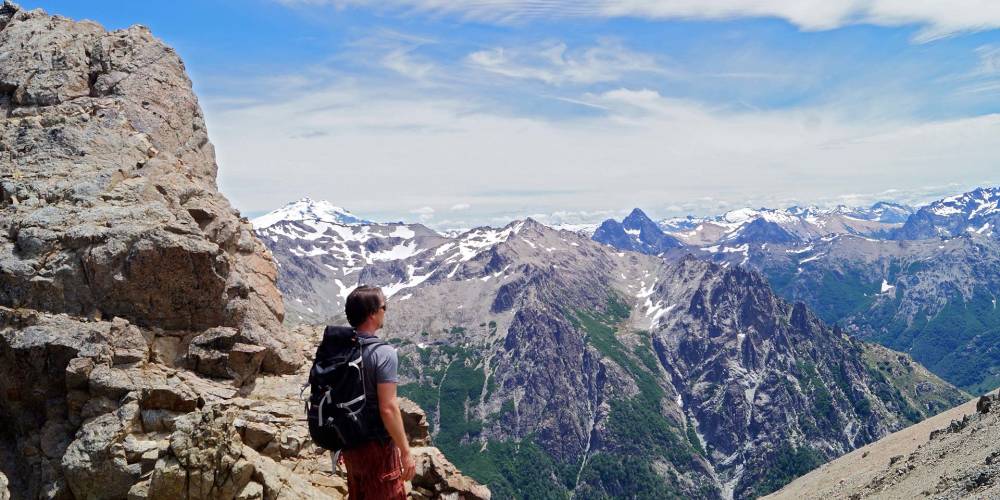
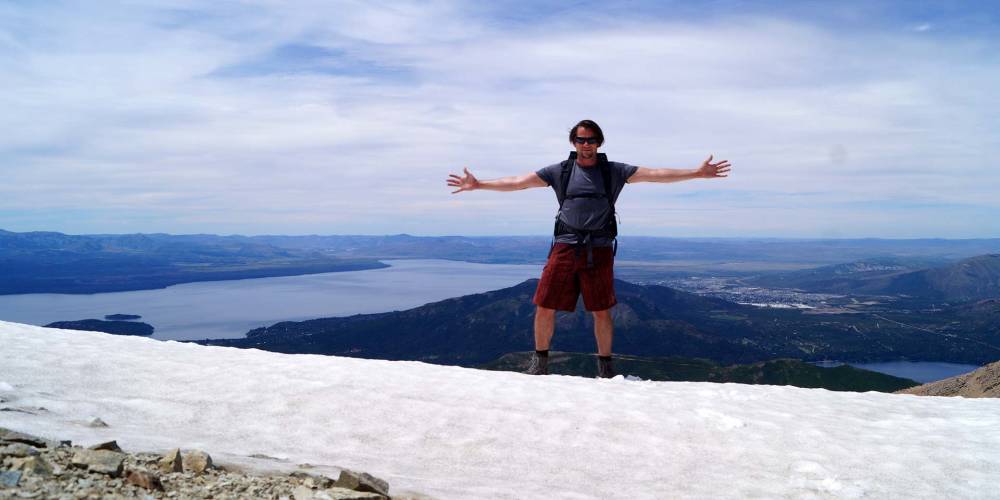
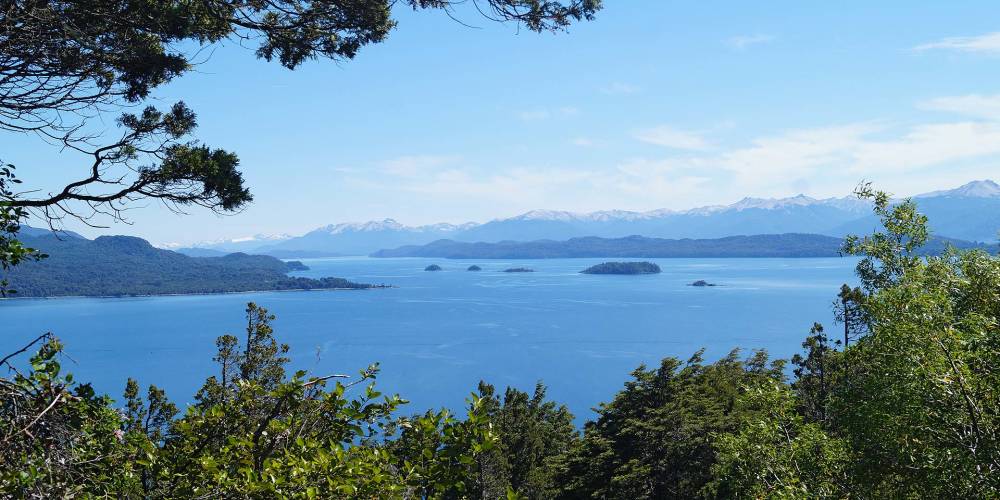
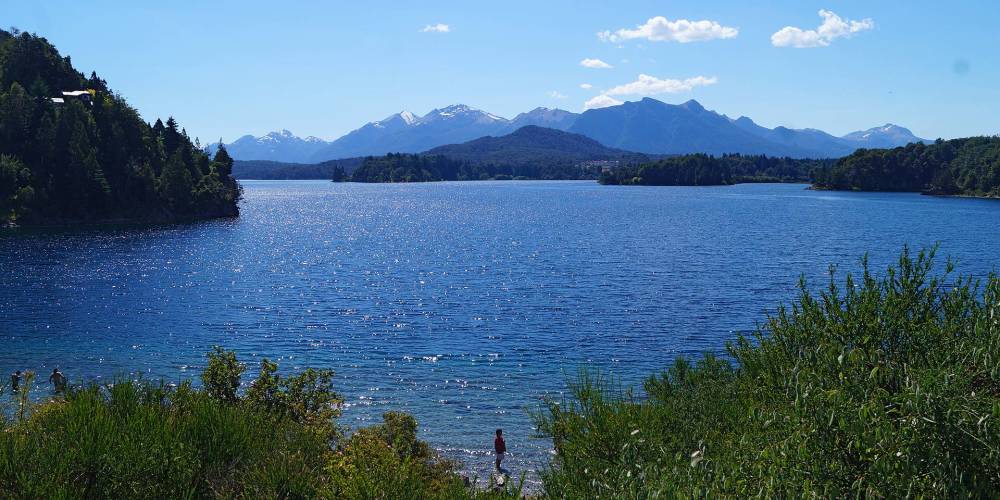
I travel a good 20 kilometres to the Catedral ski resort. The gondola and lift take me up to almost 2,000 metres. I hike a few kilometres along the ridge and down the western side towards the high Patagonian glaciers in Chile. The last remnants of snow melt in 15° C. The lakes around Bariloche are at their deepest blue colour in the best weather. A local resident says they have been waiting months for this weather.
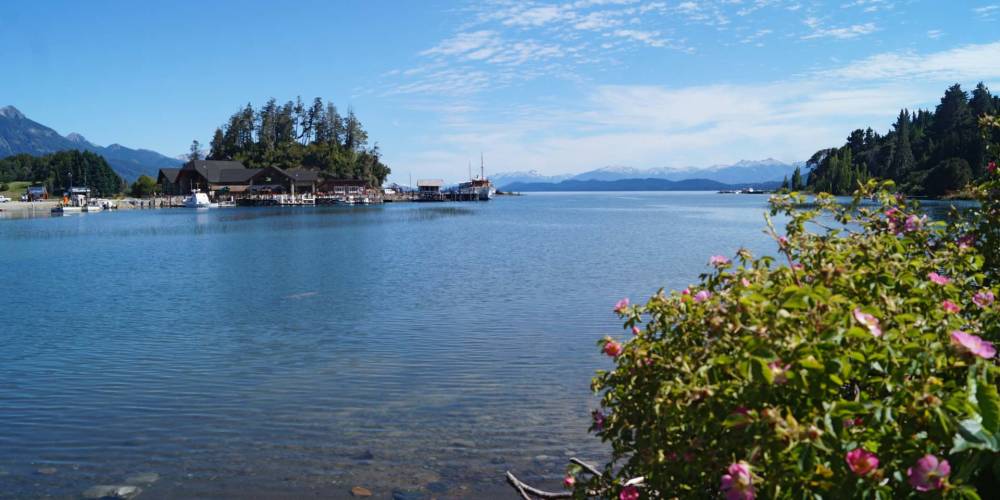
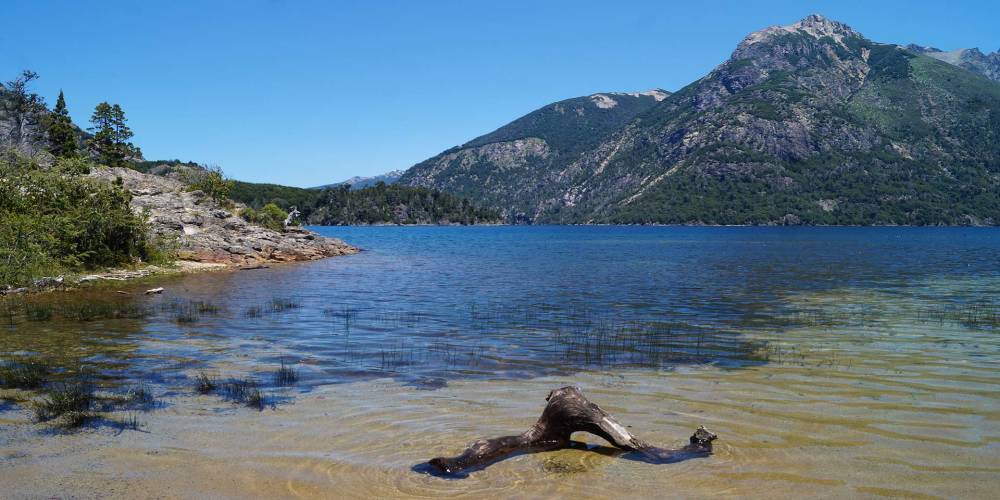
The next day we take the bus again, travelling 25 km west along the lakeshore. Hundreds of bays, several lakes and dark forests promise good mountain biking. The first hire shop fails with €25 for four hours. The second offers better bikes for less money and for the whole day.
The short but often steep climbs between the lakes accompany me all day in temperatures of up to 30°C. Birds chirp from the dark, uncultivated forests. A hawk sits at the edge of the path. Golfers zoom past in expensive cars on their way to the next golf resort. After an hour at the first kiosk, I realise that I have left my money with the landlord. “You can’t do the day trip without it,” says the shop assistant and gives me a bottle of water.
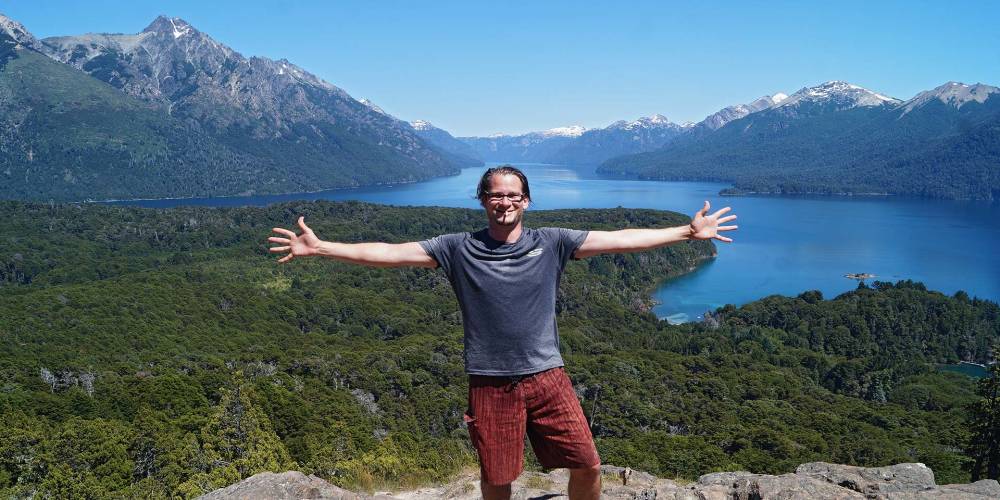
Without my bike, I climb the Cerro Llau Llau. Glaciers, blue lakes and old lichen-covered trees now whisk me away to New Zealand. On the nearby beach, a couple from Buenos Aires want to hear stories. The day trip wouldn’t be possible without food, they say, and insist on giving me money for a burger on the way. Thank you both!
Halfway through the tour, I can only agree. The hills around the lakes are not high, but there are a lot of them. I treat myself to the best burger of the trip in the shade of an old tree in Bahia Lopez. Argentinian holidaymakers cruise across the Nahuel Huapi in posh motorboats.
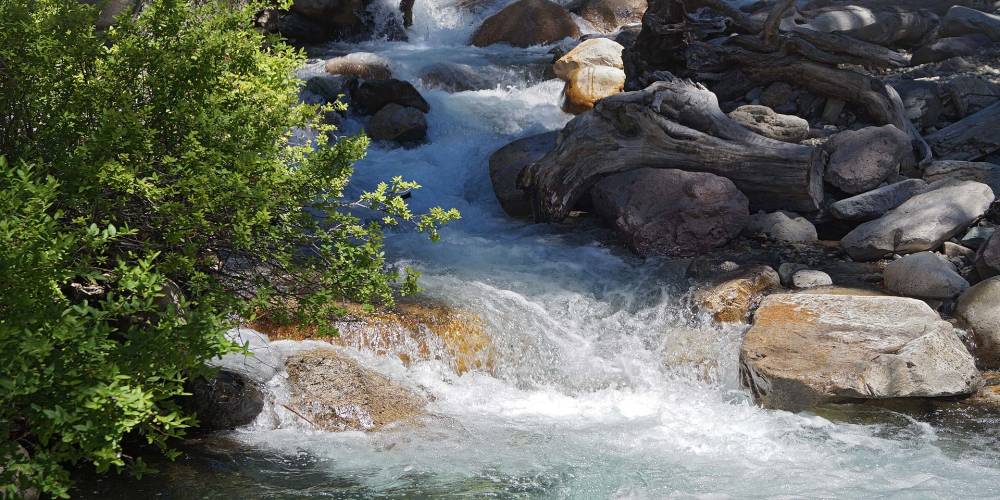
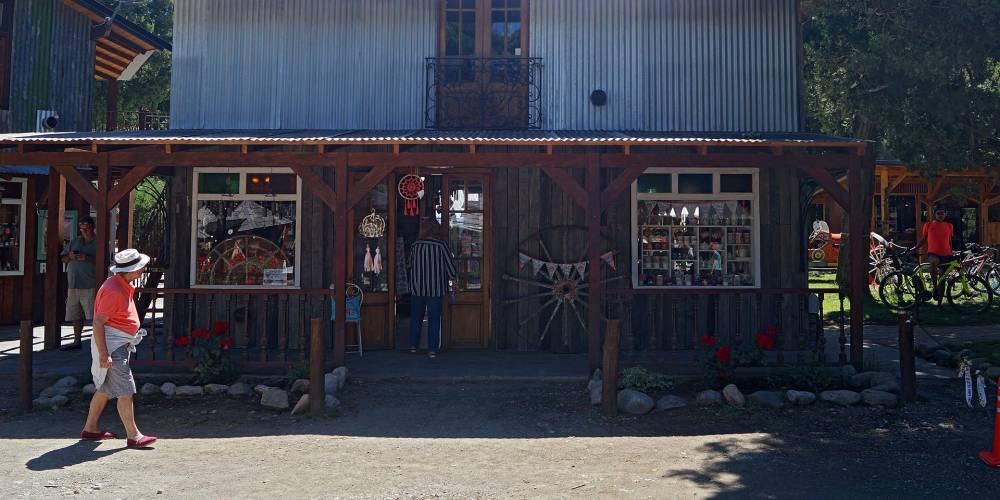
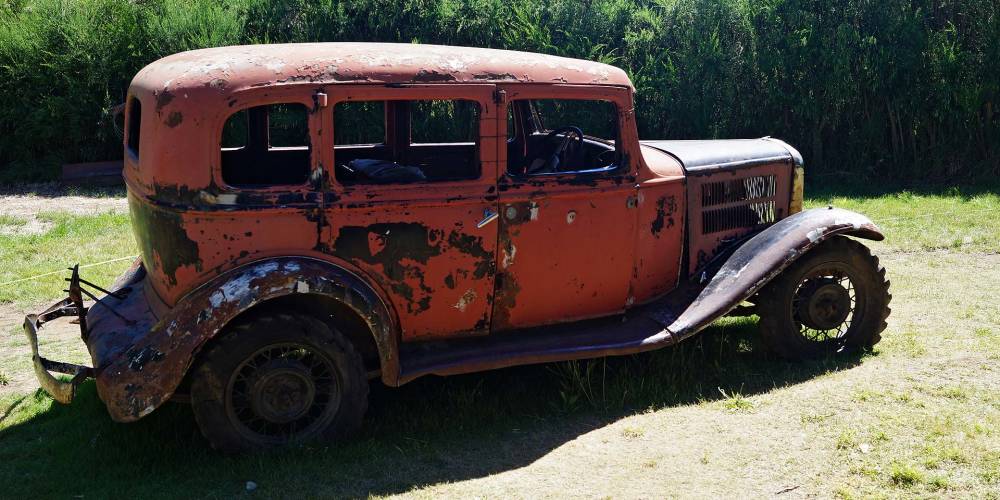
This is followed by more rugged hills, a steep hike uphill along a wild torrent and a detour to an old Swiss colony. Hundreds of tourists between craft beer breweries and artisans transport you to Disneyworld. An old Ford rusts quietly in the sun.
The cars rush past a coughing, tired biker on the unpaved track, dragging thick clouds of dust behind them. The last high hills, and downhill again to the last lake of the tour. After seven hours, the German-born landlord gives me 40 km of biking, 10 km of hiking and 950 metres of altitude after describing all the detours.
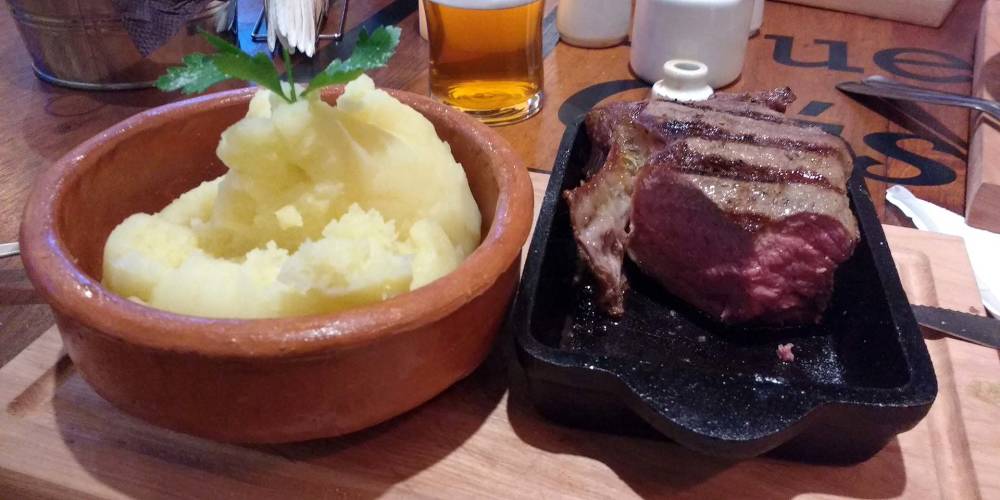
Today, the 30-seater bus transports 80 tired recreational athletes, most of whom can barely stand, half an hour back to Bariloche. A light wind is blowing. But all I can manage today is a huge steak and good wine…




 Frank Woelky, born in 1973. Kitesurfer since 1998. Since 2006, I have been combining kitesurfing and web design on trips lasting several months off the beaten track.