

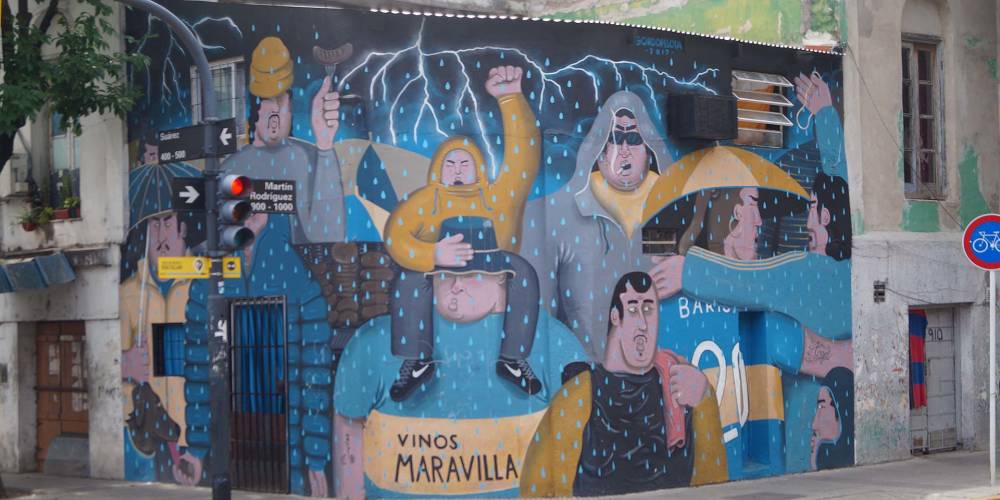
After three months and more than 16,000 kilometres over land and water, my biggest journey to date comes to an end in Tango Town Buenos Aires. I set off on foot for the last time, covering many kilometres in remote areas. On the outskirts of La Boca, the third warning from local residents tells me to hide my camera. The streets are barricaded and the figures actually set my alarm bells ringing for the first time in years.
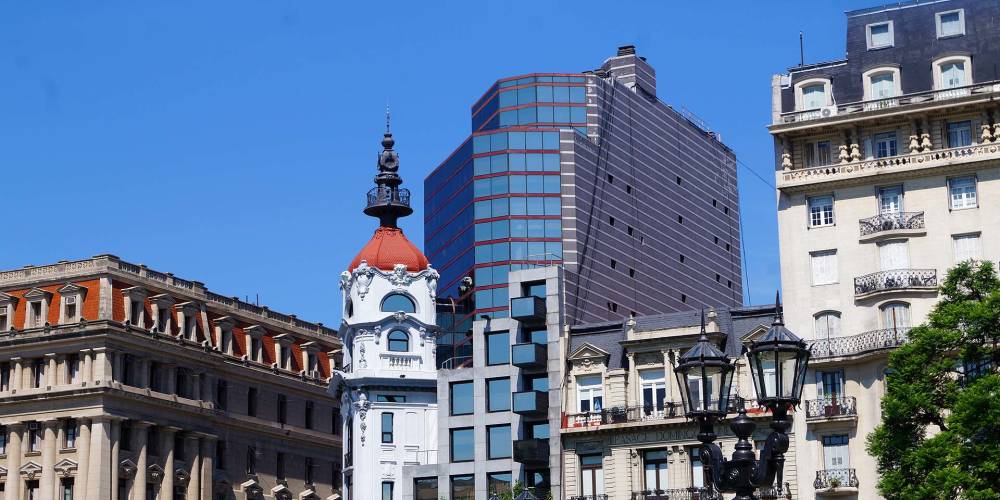
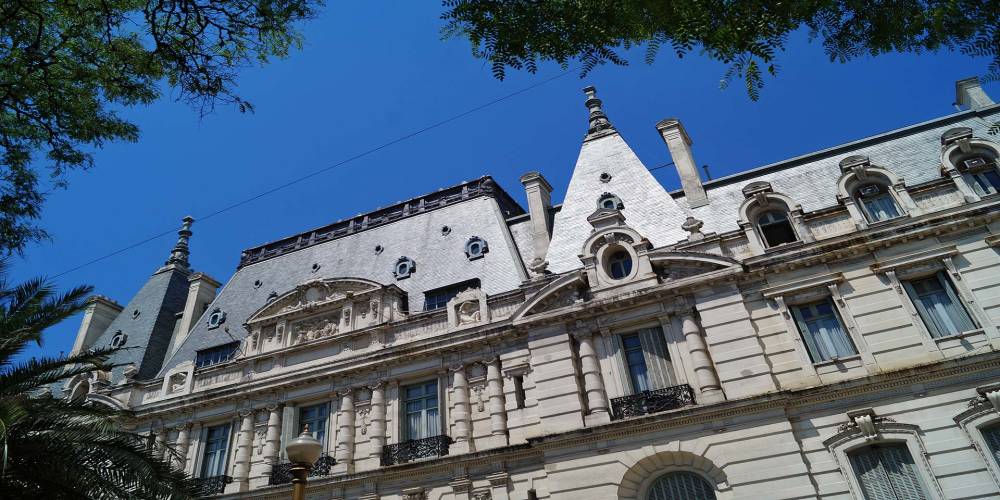
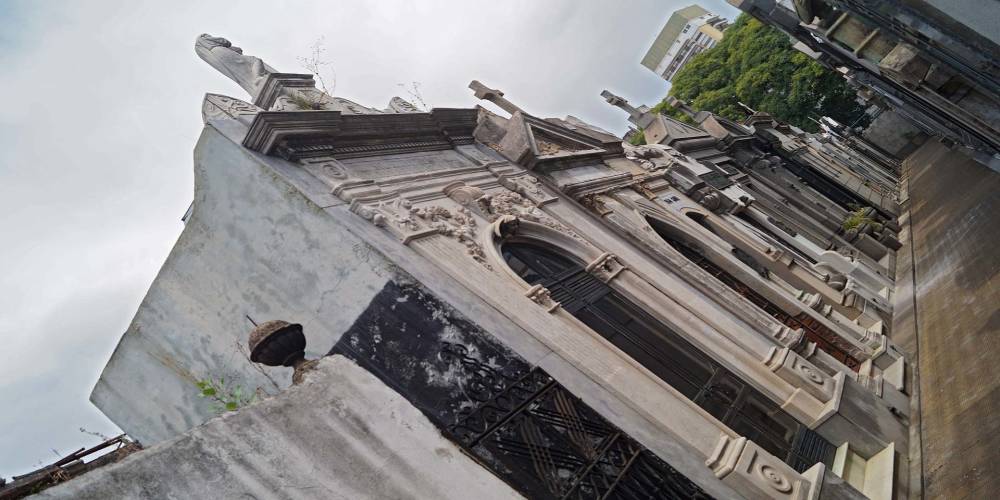
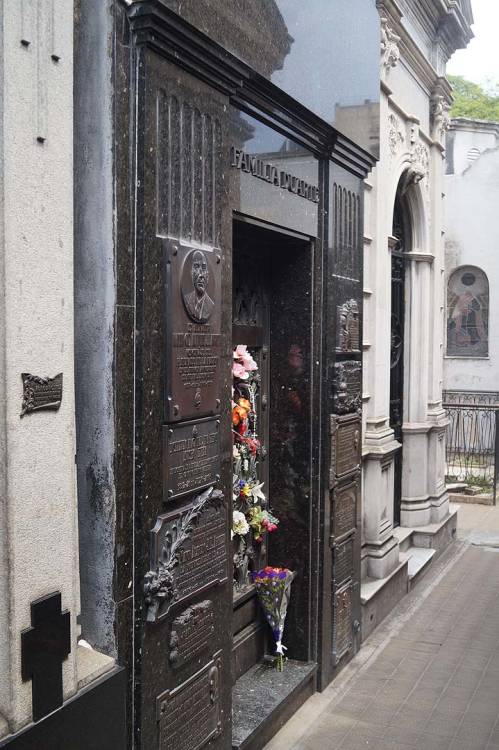
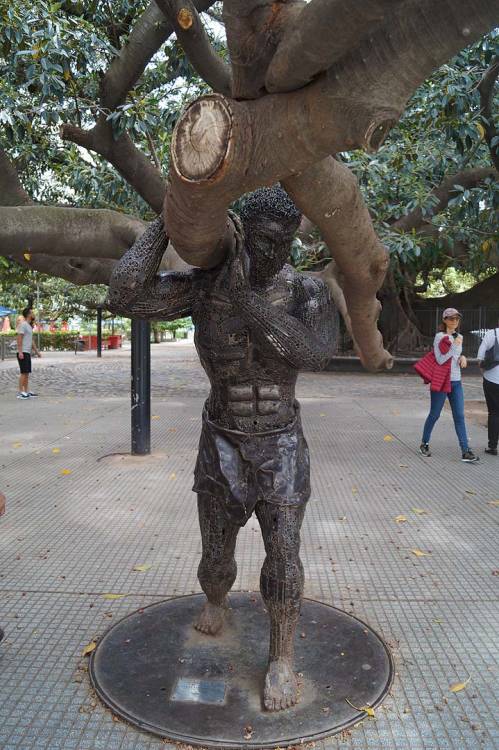
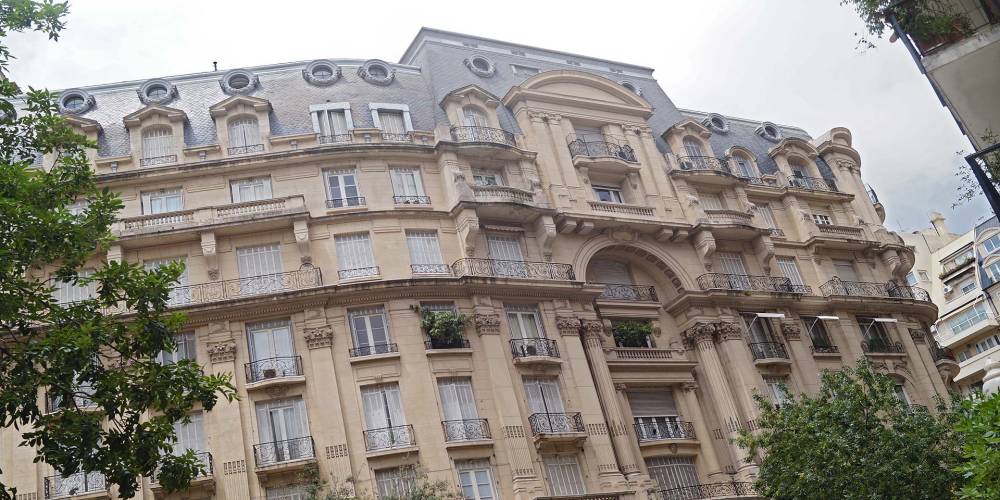
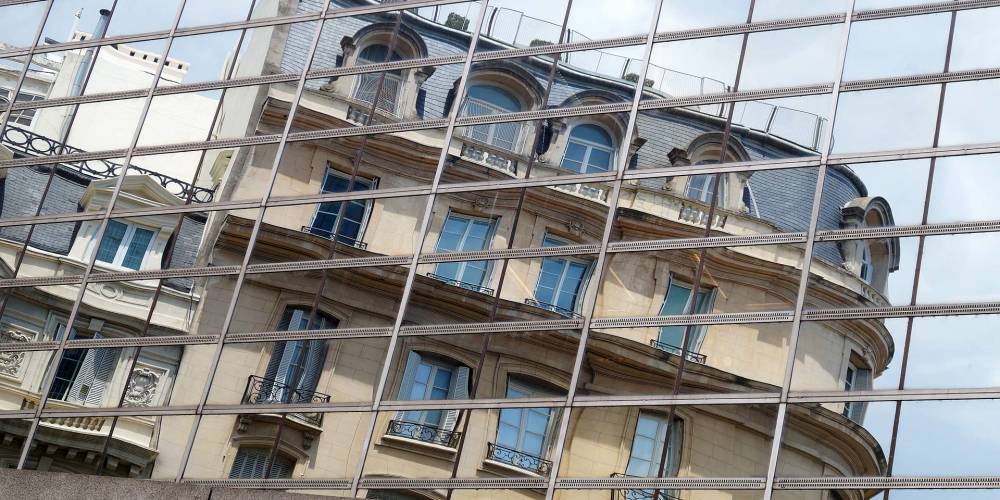
Buenos Aires surprises me with the widest avenue in the world, a thousand statues, large parks full of rubber trees and a wonderfully lively mix of people from all over the world. The mansard palaces take you back to Paris in the early 19th century, the underground railway running against the traffic to London. In three days, I only get on the train in the right direction once.
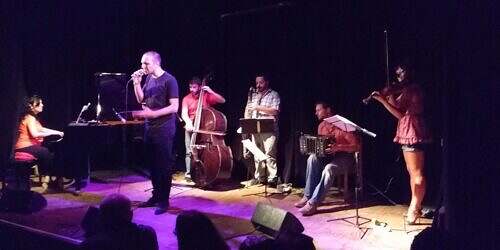
Unlike other South American countries, Argentina was left behind by the conquistadores. Gold was only discovered centuries later. Until then, there were only a few indigenous people to slaughter – and even fewer workers to cultivate the endless expanse of land. Today, practically everyone in Argentina is an immigrant in at most the second generation. The language is Castellan Spanish, but many words come from French or Italian. The British four o’clock tea is taken at seven. Descendants of German Nazi criminals sit in the same bars as members of the large Jewish community. Football and the tango hold everything together.
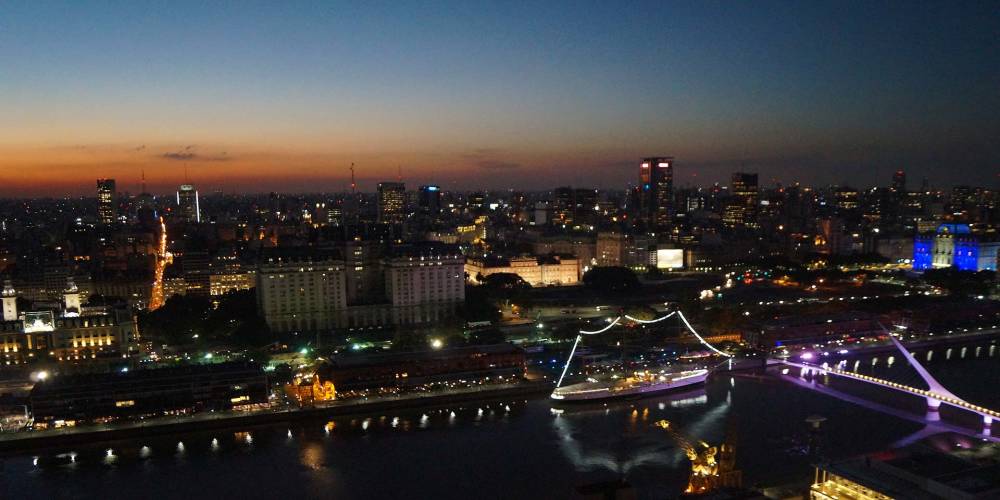
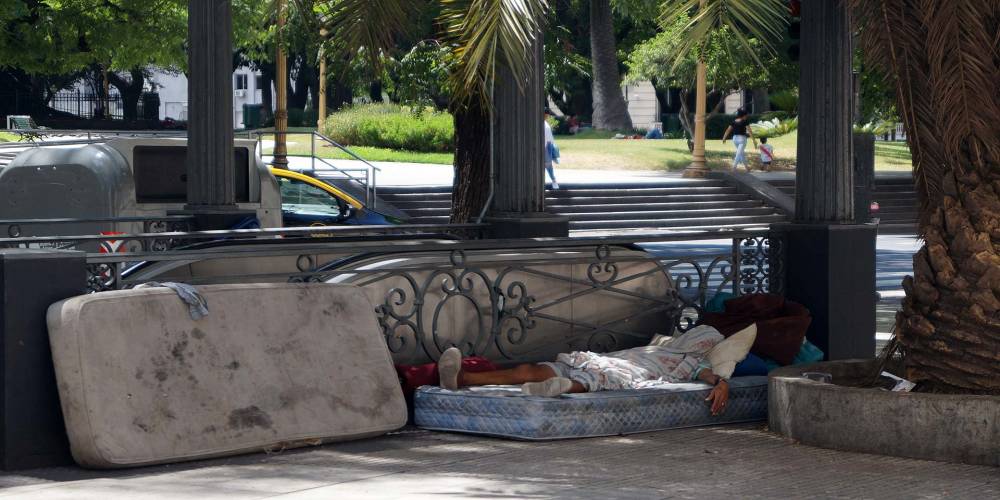
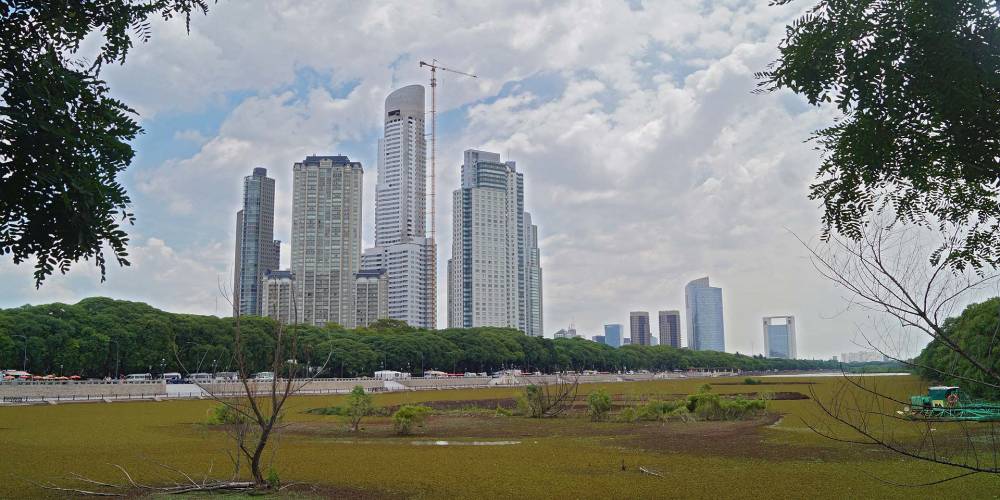
As in all major South American cities, the differences between rich and poor are enormous. But in contrast to Quito, La Paz, Lima and Santiago, the homeless here generally sleep on marble – with their own mattresses. The old port of Madera is the luxury barricade against the poor neighbourhoods of La Boca that begin directly behind it. Google, Oracle and other giants form a high wall of white concrete and bright light.
My Estoril hostel is an absolute dream. Right in the centre, built in 1900 and with a lift, with the underground and airport bus right outside the door. I get a four metre high double room for the price of a dormitory – which is low anyway. in 2006, the hostel was voted one of the ten best in the world. The warmth and helpfulness of the team under Israeli management explain why.
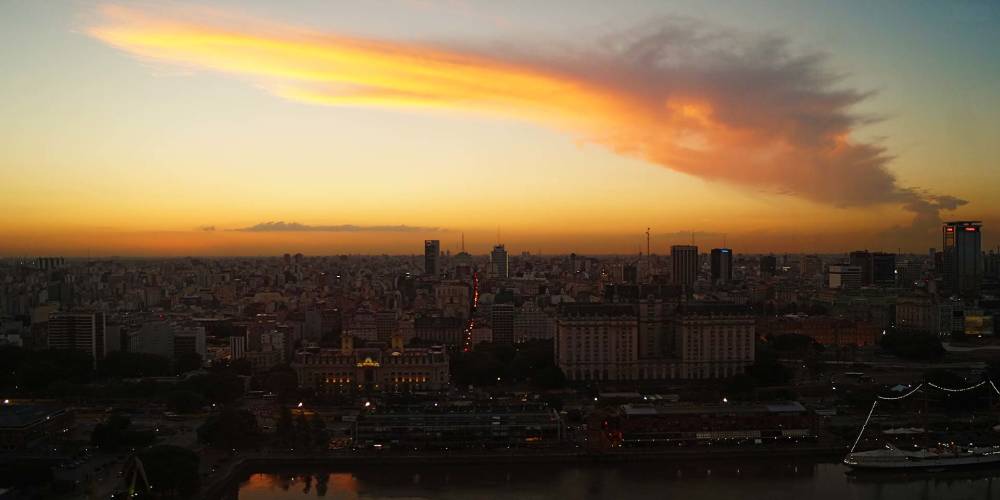
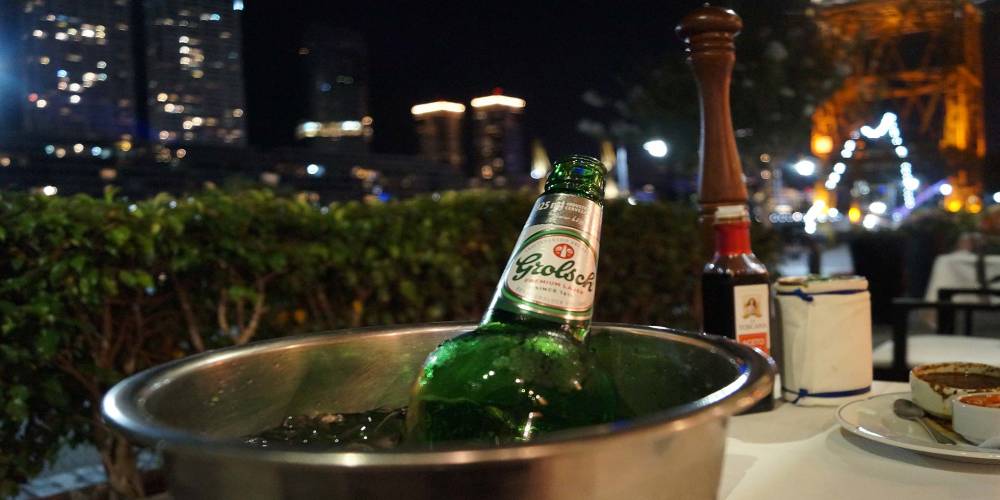
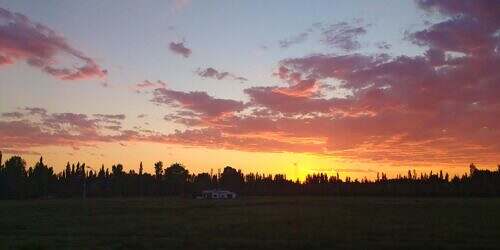
On the last evening I treat myself to luxury. The steak at the Puerto Madero is served with a bottle of beer in a silver bucket. The price is appropriately high. I arrive a little too late for the sunset in Buenos Aires’ highest bar because I need to withdraw €120 from eight banks. Chilliger House is blasting out of good EV speakers from rooms costing at least €250 on the 32nd floor of the Alvear Icon Hotel. Dusk falls over the city for a California sunset. Then Buenos Aires switches on one light after another. They shimmer silently in the hot, humid evening air. This journey is over. I’m going home.
The journey was so much: hard, far, long, fascinating, and in every way challenging and fulfilling. Many things went terribly wrong: I was badly robbed for the first time in ten years of travelling. In Sanata Marianita (Ecuador), a fighting dog bit me on the foot. The infection required a week of broad-spectrum antibiotics. In Mancora, I caught a serious infection that kept me in bed for a few days with a high temperature. The cough was only gone again after a month. From Cuenca and especially in Bolivia, I had an unsatisfactory affair lasting several weeks with advanced altitude sickness at up to 4,800 metres.
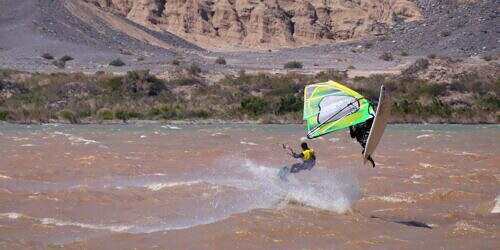
Without a stolen driving licence, nobody wanted to give me a hire car for my big dream, the Carretera Austral Patagonia – a lot of effort didn’t result in a replacement driver. This also meant that kiting in front of glaciers fell flat. The wind was often somewhere else than me and my 25kg of kite luggage. Bus loaders kept charging outrageous surcharges for my kite bag. Laundries took a nice chunk of my clothes with all sorts of excuses. Sunglasses, headphones and other small items dematerialised. But whenever I thought: enough is enough! It went on. With less. Happier.
Many thanks to the incredible people who have shared parts of this journey with me: Paty Burgos, Thomas Stephan, Nina Bird, Brian Iten, Stuart Baird, José Lara Garcia, Richard Kessell, Mathew Robert Symonowicz, Eleonora & Johnny Engelbrecht, Norbert Herre, Jason O’keeffe, Inge van den Herrewegen, John Wloch, Christian Kroh, Jhonathan Lopez Zapata, Francisca Rodriguez Opazo, Be Ne, James Brodie, Kat Gat, Nicole Romero Valenzuela, Maxwell Joseph, Mads Emil, Christian Bustos, Luke Hillier, André Thalmann, Mark Cox, Paulina Johan, André Fretz, James Sharratt and Gustavo Sepulveda, Veronica Fernandez Vila.
Thank you all! Muchas Gracias!




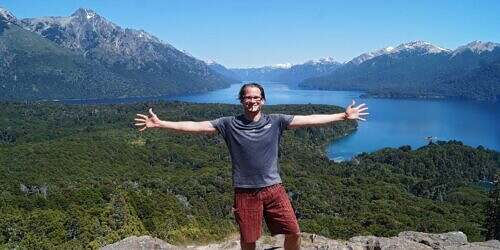
 Frank Woelky, born in 1973. Kitesurfer since 1998. Since 2006, I have been combining kitesurfing and web design on trips lasting several months off the beaten track.