

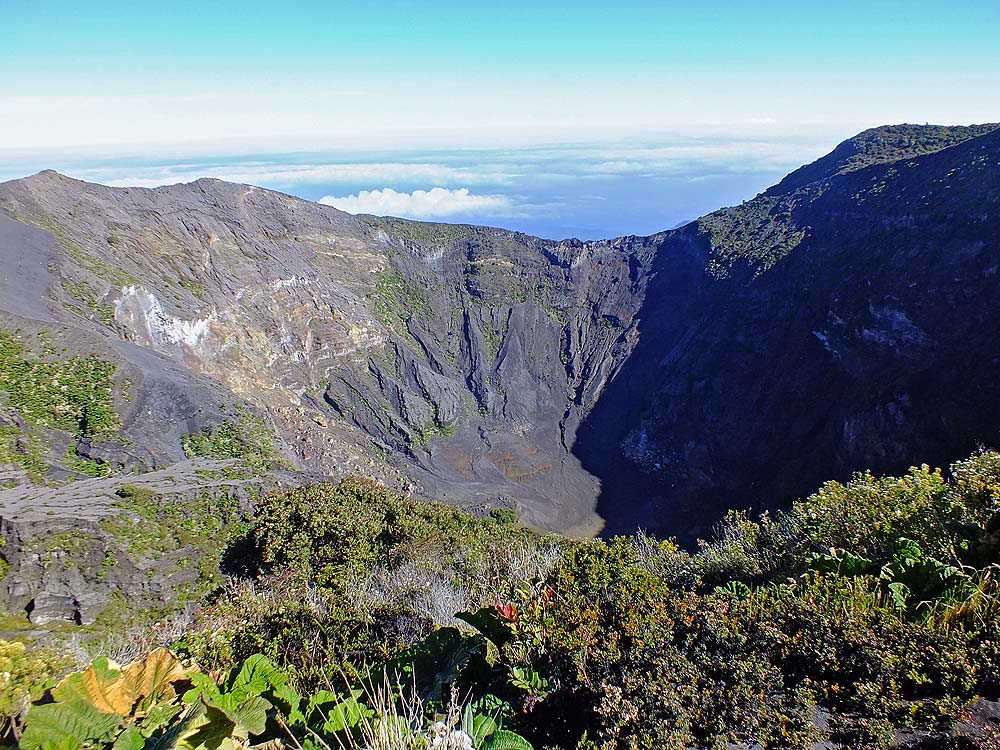
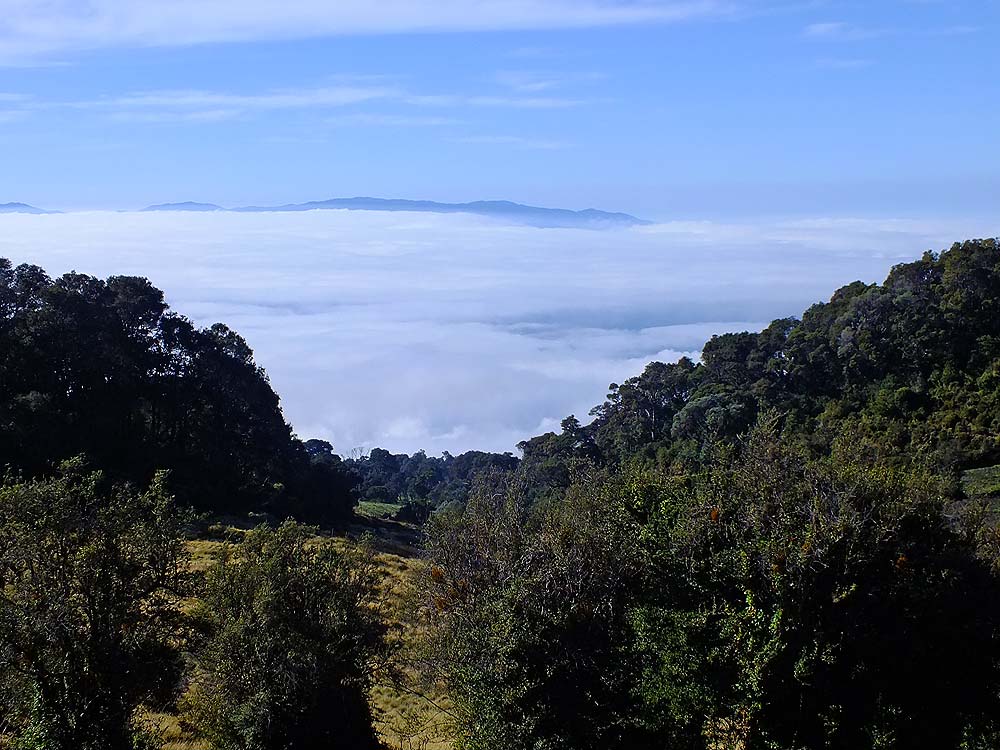
At six in the morning, the rain clouds hang low over Orosí. The ascent to the 3,432 metre-high Irazú volcano, a good hour away, seems to be a washout. Unexpectedly, however, the thick cloud cover breaks up on the way. When we arrive at the gate to the crater at eight o’clock, after a heavy heat-up among the first cars, the weather is perfect. La Brass Bande disperses above the clouds.
Parking on the Irazu volcano is only permitted in reverse. The last eruption was only in 1994, and for an entrance fee of $15, the safety-conscious traveller can expect perfect evacuation preparation. At the edge of the caldera we find the height of Costa Rican smoking racism: the Ticos have declared the entire volcano a smoke-free zone. A hilarious affront that we can’t possibly ignore.
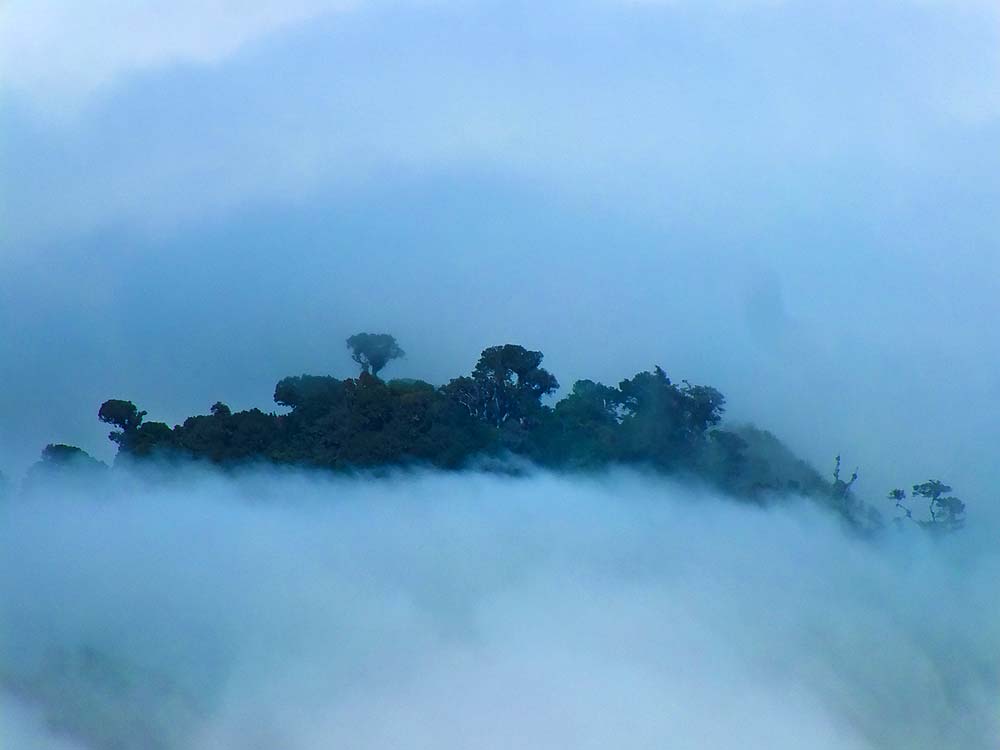
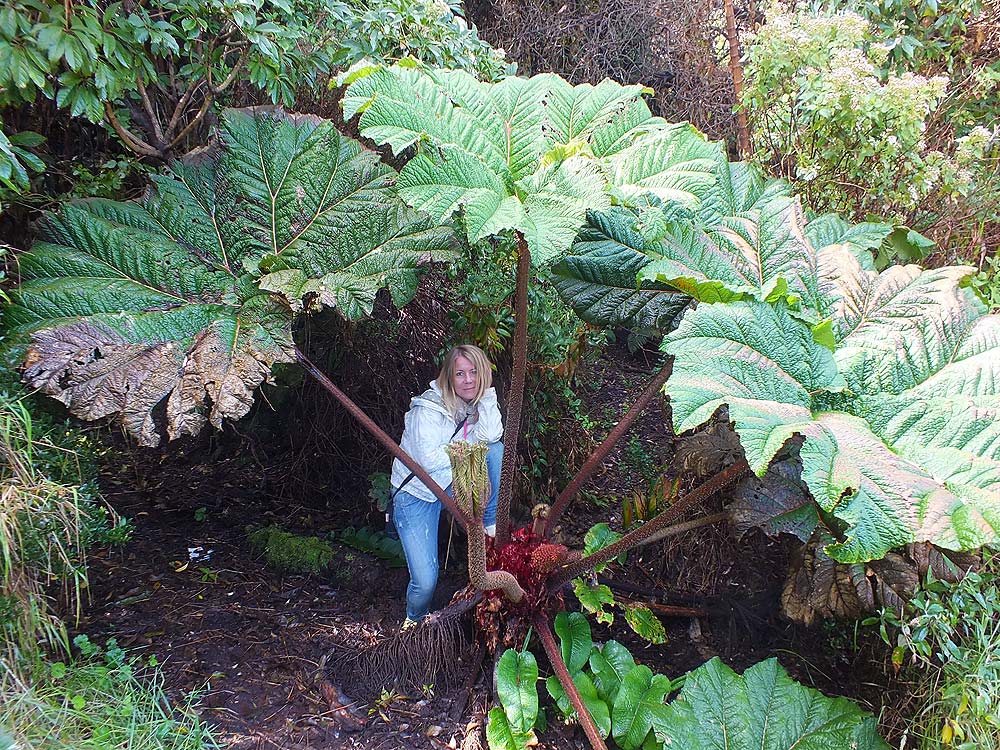
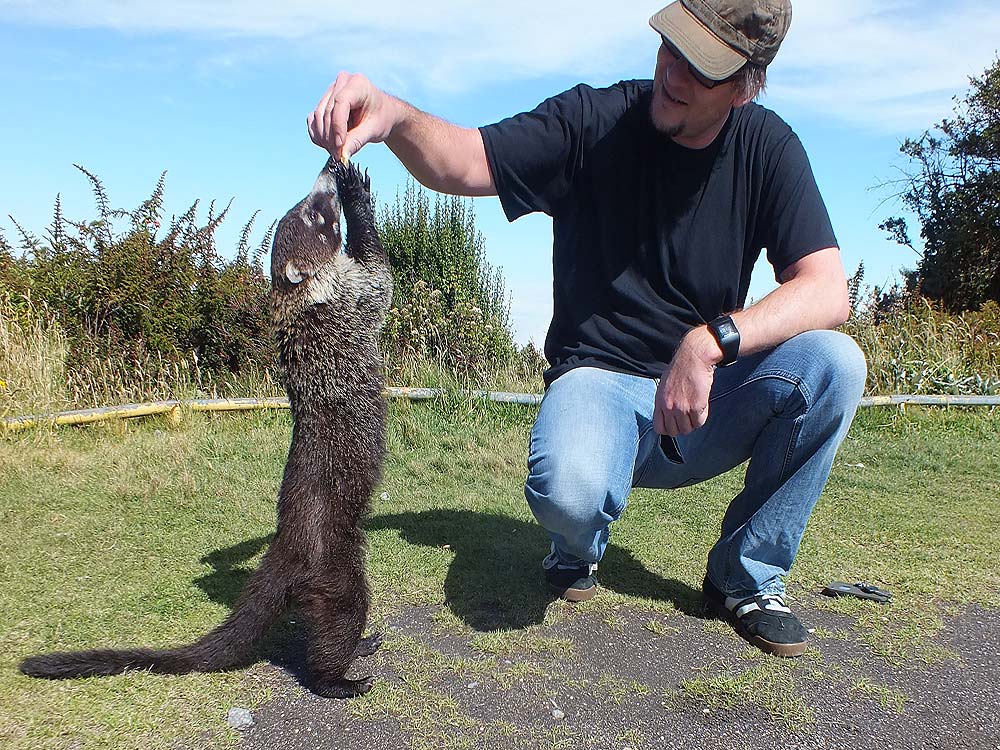
We climb briefly to the summit. Breathing is difficult. We can’t see the Pacific or the Atlantic today, but standing 1000 metres above the clouds is also quite a sublime feeling. A coati happily mooches off our snack. Then individual rainforest islands disappear into the rising clouds and finally, at around eleven o’clock, the summit of the Irazú volcano.
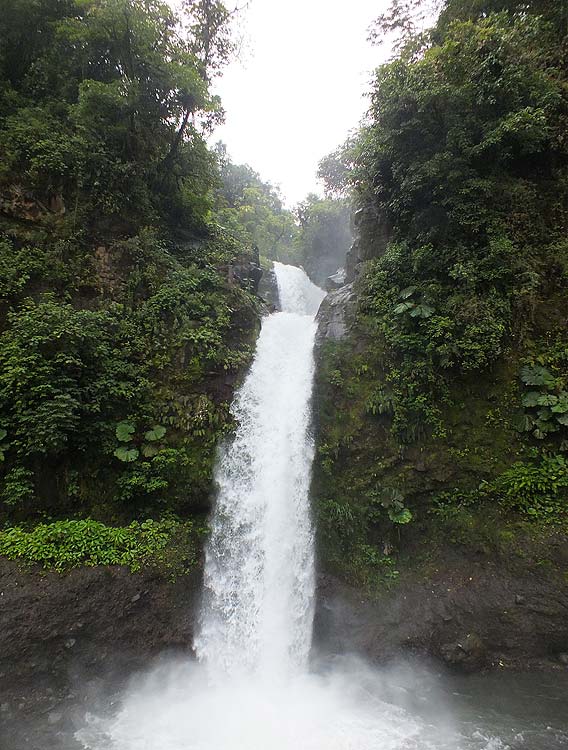
The journey northwards continues along the slopes of the volcano and then passes through the outskirts of San Jose again. Again, it takes us a very long time to cross. After that, the roads up to the Poas volcano become emptier and emptier. Clouds of mist bite into the steep volcanic flanks. It is raining when we reach the last waterfall of La Paz. After nine hours, we arrive in Fortuna near Laguna Arenal. Panamericana, km 1.201. The kite-free period is over…

 Frank Woelky, born in 1973. Kitesurfer since 1998. Since 2006, I have been combining kitesurfing and web design on trips lasting several months off the beaten track.