

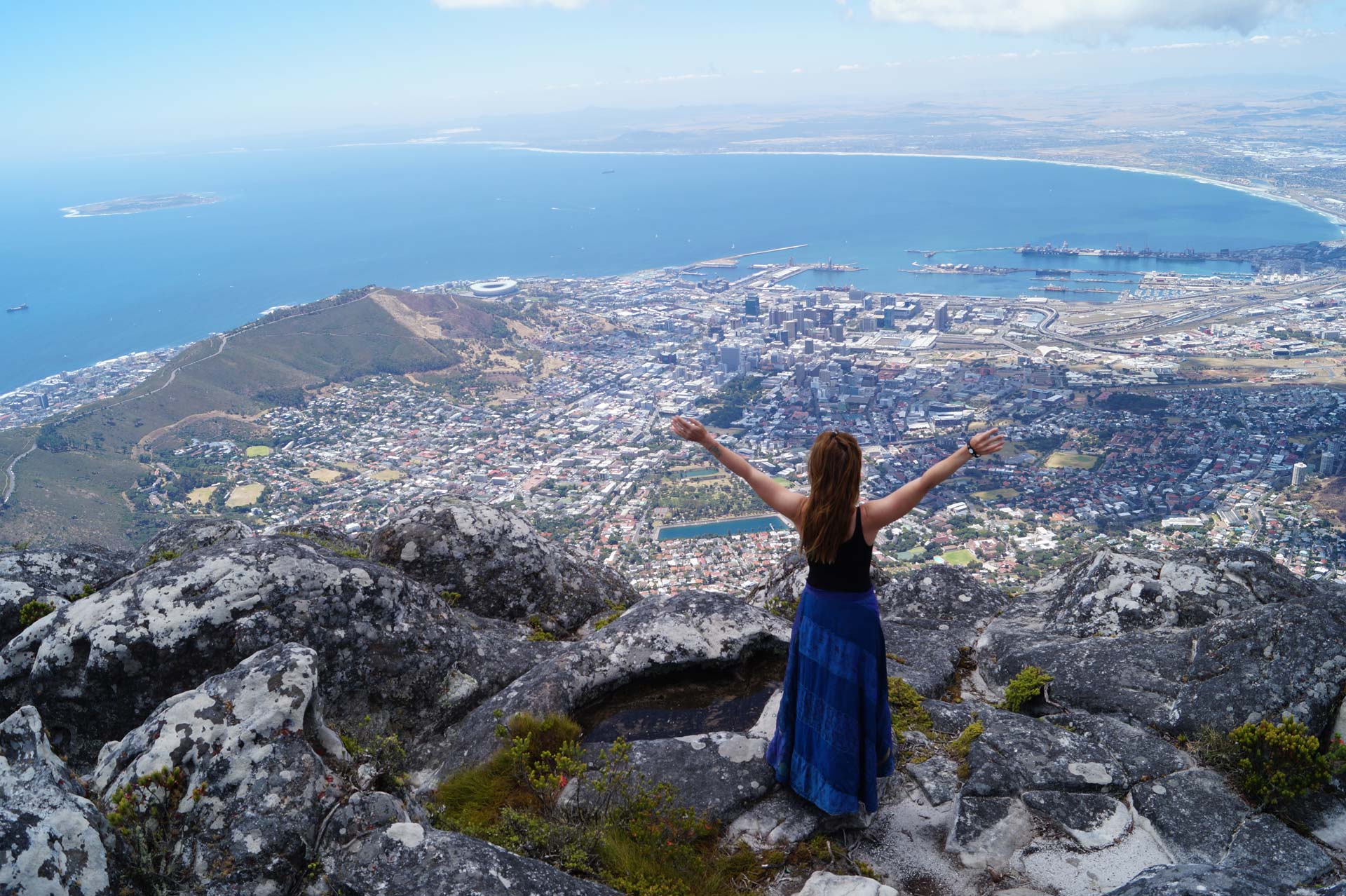
South Africa is colourful. The change from quiet Langebaan and the end-of-the-world chill-out in Witsand to the four million inhabitants of Cape Town couldn’t be more dramatic. On our journey, we make a detour over the Tradouw Pass into the wine country behind the mountains and inspect a potential shallow water spot near Hermanus.
Our hostel looked a bit out of the way. In fact, the Cat and Moose with its beautiful old rooms is right in the centre of Long Street. Long Street is the Bourbon Street of Cape Town, an incredible party mile with countless restaurants, pubs, live clubs and fine house venues. As we have also booked for the weekend, we have a pretty hefty day & night double programme. (more…)
Witsand
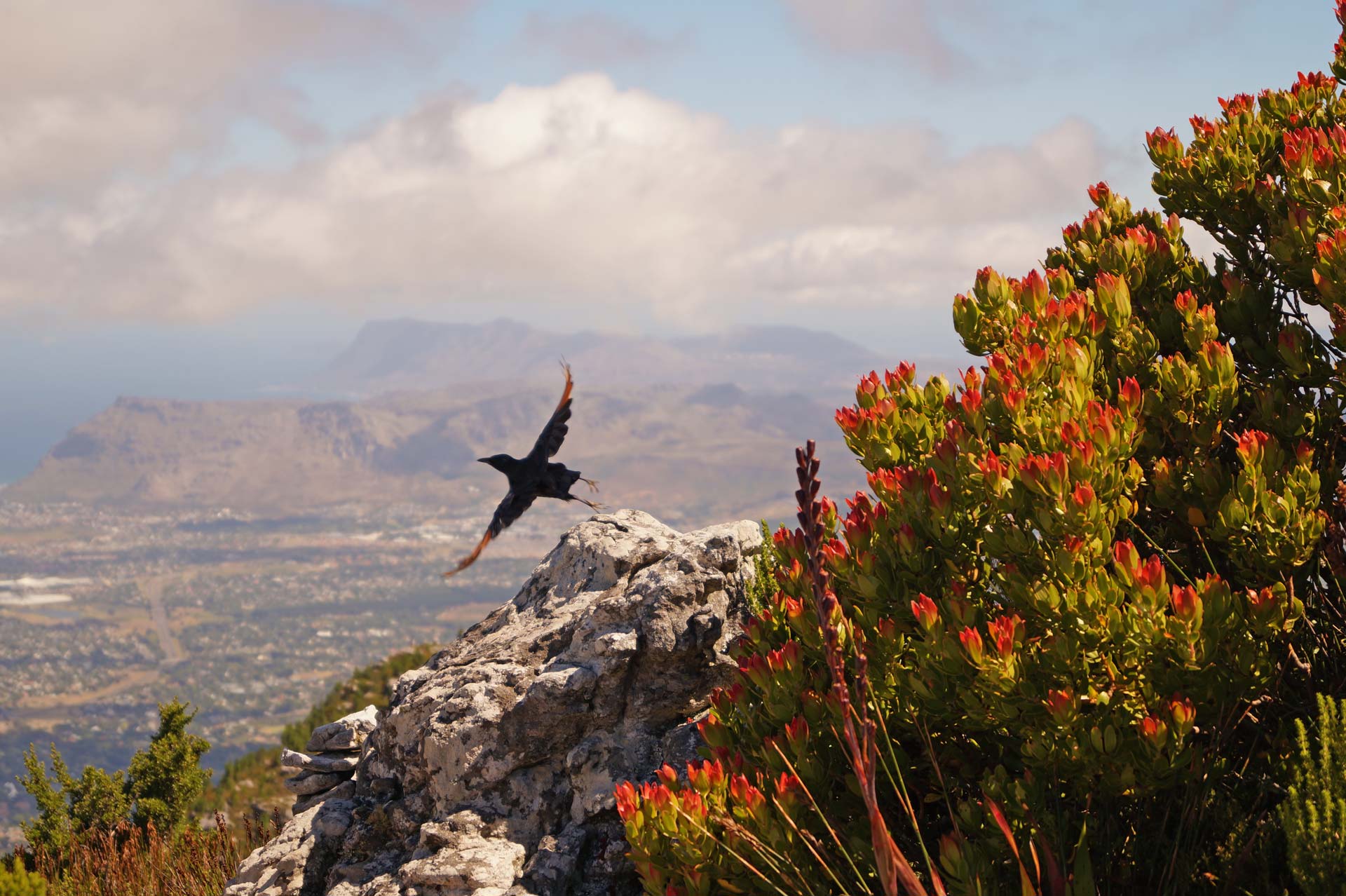
South Africa is huge. Our journey takes a good five hours past Cape Town eastwards along the Garden Route. The country is also very dry on the Indian side. It hasn’t rained a drop for months. On the Sir Lowrys Pass, monkeys go about their business of mouth robbing. The dam behind it has dropped to 40% full. Cape Town will run out of water in 80 to 90 days.
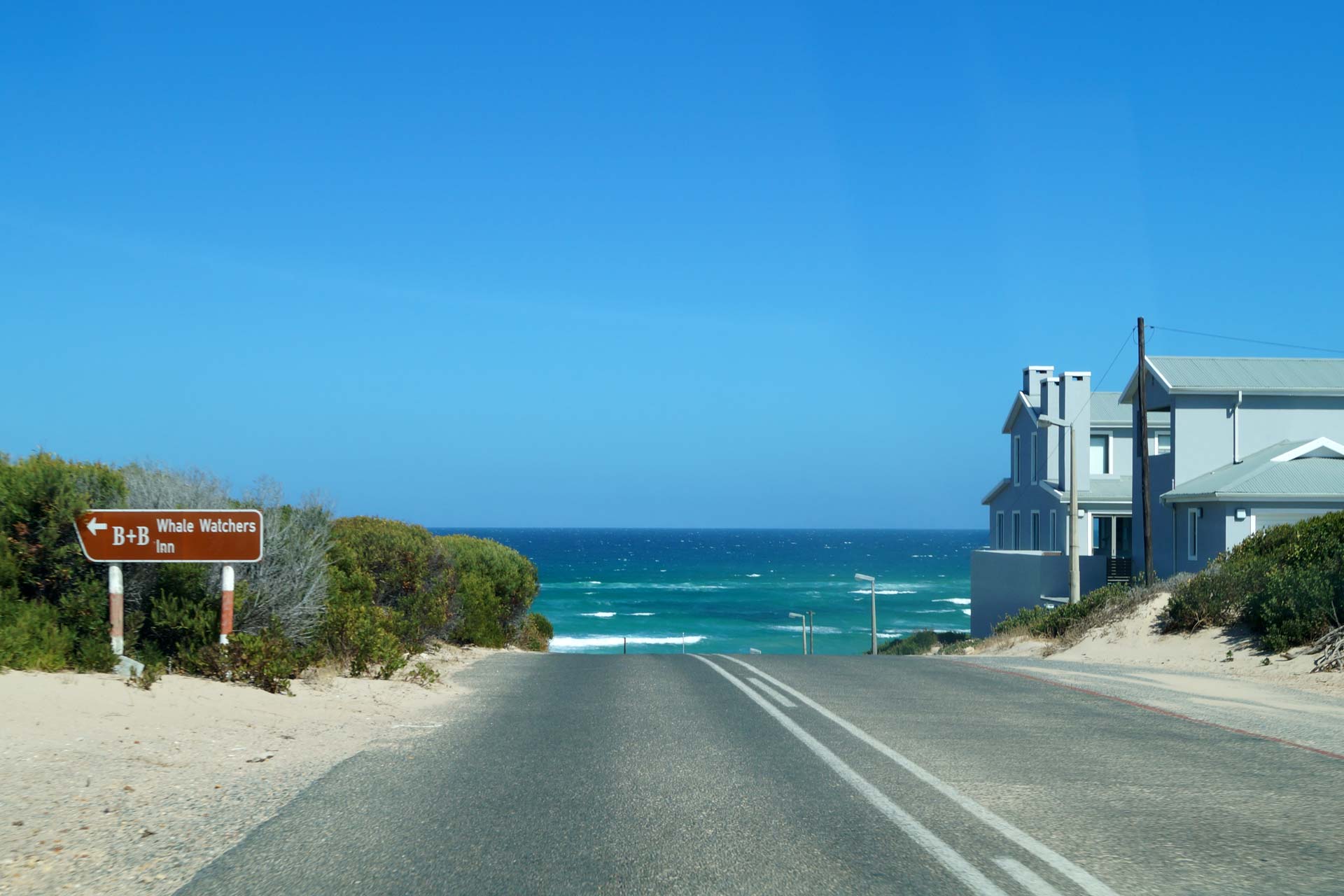
After a good 400 kilometres through endless expanses of harvested wheat fields, we follow the sign to Witsand. The last 50 kilometres take us along a high-speed gravel road lined on both sides by ostrich farms. The small village of Witsand is idyllically situated at the mouth of the Breede River, one of the largest rivers in South Africa. Behind large dunes, the 300 metre wide estuary conjures up one of the most beautiful shallow water kite posts in the world. (more…)
Langebaan
South Africa is strange. After 150 kilometres with 3 bends through the most monotonous Brazilian pampas, we arrive in Langebaan. Langebaan looked like a big city on the map, but 90% of the houses are just holiday homes, and they are all empty even in the middle of the high season – behind thick nasty fences on far too much empty space.
As strange as the surroundings are, the people are wonderful. The first is Dane Per. At 88, his father Poul was the oldest kiter in the world. He died happily in his wetsuit from a heart attack. 150 kiters gathered in a circle in the mirror-smooth Danish Sea, like King Arthur’s table in XXL. They scattered his ashes. Suddenly the dead sea came to life. (more…)
And I could walk 5000 years!
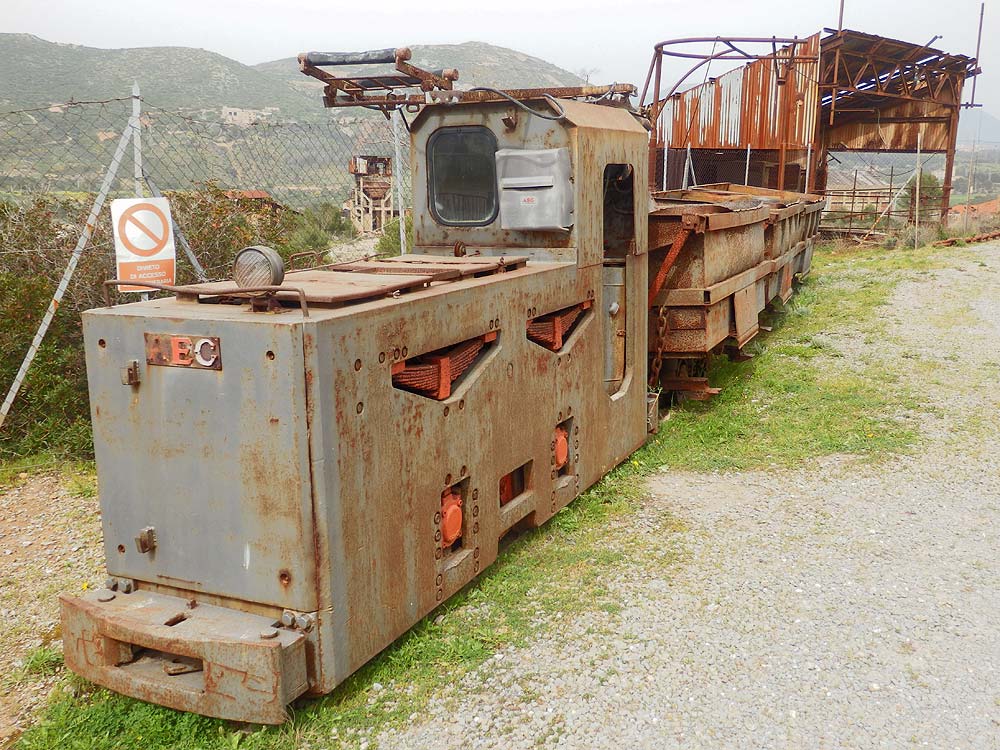
The day before yesterday, the Sardinian wind showed its teeth for the first time on the west coast in the UNESCO World Heritage Site of the millennia-old mines of Sulcis Iglesiente. It was blowing full offshore at 15 to 30 knots, gusting west of Iglesias over the old silver mountains and steep cliffs with mine ruins reaching down to the water. My breakfast baguette flies for a swim.
The coastal road to the north leads over breathtaking rollercoasters on steep slopes through old mining towns such as Nébida. The stub roads into the mines above Buggeru are completely unsecured and therefore offer sweeping views. On the motorway, the Sardinians really do slow down every farting hobo at 30 km/h – but if you need a jeep and blinkers to get up a mountain, there’s definitely nothing at the bottom. (more…)
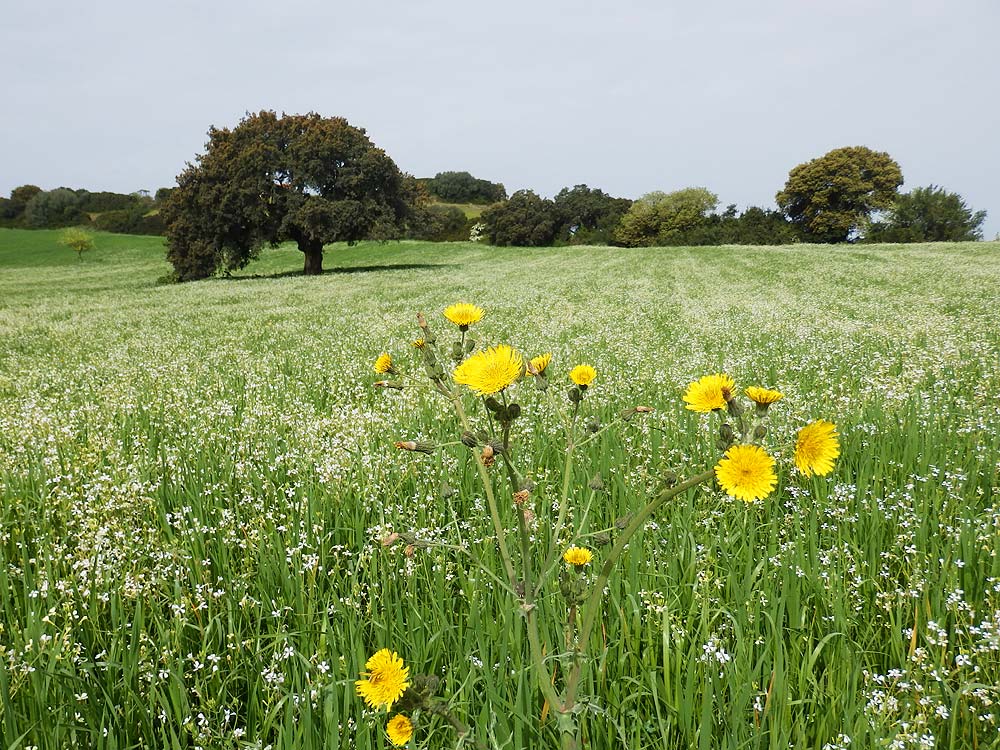
Emmental in Sardinian
The driving style of a people reveals a lot about their soul. This is particularly true for Filipinos in Manila, Dominicans on Saturday nights and Vietnamese on the way to funerals. And for Sardinians in general. The wildest mountain roads are relatively discreetly regulated. But as soon as they are wide, safe and well-built, the state slows you down to half of what would be normal in Germany. 50 kilometres at 50 km/h is the whip for the Sardinians!
Their speeding seems to be the last cry against foreign rule. If you are driving legally in Sardinia, all your attention should be focussed on the rear-view mirror. 25% above the speed limit is the absolute minimum in order not to be constantly chased. 50% over the speed limit is the standard, even for pensioners. Speeding is defined by the Sarde at least 75% over the limit. (more…)

Sardinia sleeps
Like a vulture, I circle ever closer in my Panda in search of my first accommodation in Sardinia. Missing addresses are not a problem. They only become a problem when you can’t find anyone to ask for directions. Everything is closed, the streets completely empty, the houses barricaded.
Even today, few Italians speak English, but they understand my Spanish – and I understand their Italian answers, at least well enough to realise that each answer points in the opposite direction to the previous one. Sardinia is still in deepest hibernation. I am the universal soloist when it comes to eating, driving, walking and travelling. It’s cold and raining, but I feel good. (more…)
Forget Zanzibar!
Just one week of good wind is immediately followed by the next week of permaflake. The wings of horny kiters fall out of the sky at eight knots. A nasty stomach bug tries to push all my food out the wrong end for a few days. At high tide, I walk across a carpet of thousands of jellyfish to Dongwe, eight kilometres to the north. Poor villages and rubbish dumps on the beach alternate with empty luxury resorts.
Paje is suddenly completely deserted. If Jack Nicholson jumped out from behind a palm tree grinning madly with an axe, I would simply hold my stomach out to him: “There, you can have it, it’s already broken anyway.” The Paje cemetery is also a rubbish dump, and the whole of Paje is a cemetery. (more…)
Kiting with jellyfish
All the locals and long-term kiters say that the wind on Zanzibar has been exceptionally bad since December 2015. At the end of my second week, with just three good days so far, it finally arrives. For six days, the wind blows at 14 to 22 knots for a few hours every day. We have a lot of fun in the shallow water on the beach and in the waves up to two metres high on the outer reef.
The wind statistics published on Kitereisen, for example, give us false hope. For January it gives almost 100% gliding wind. It defines this as 4 Beaufort = 11 to 15 knots. 11 knots are actually reached almost every day, for a few hours, and often only in peaks. The basic wind rarely gets much stronger. Since mid-December 2015, there have been few days with at least 15 knots of basic wind. (more…)
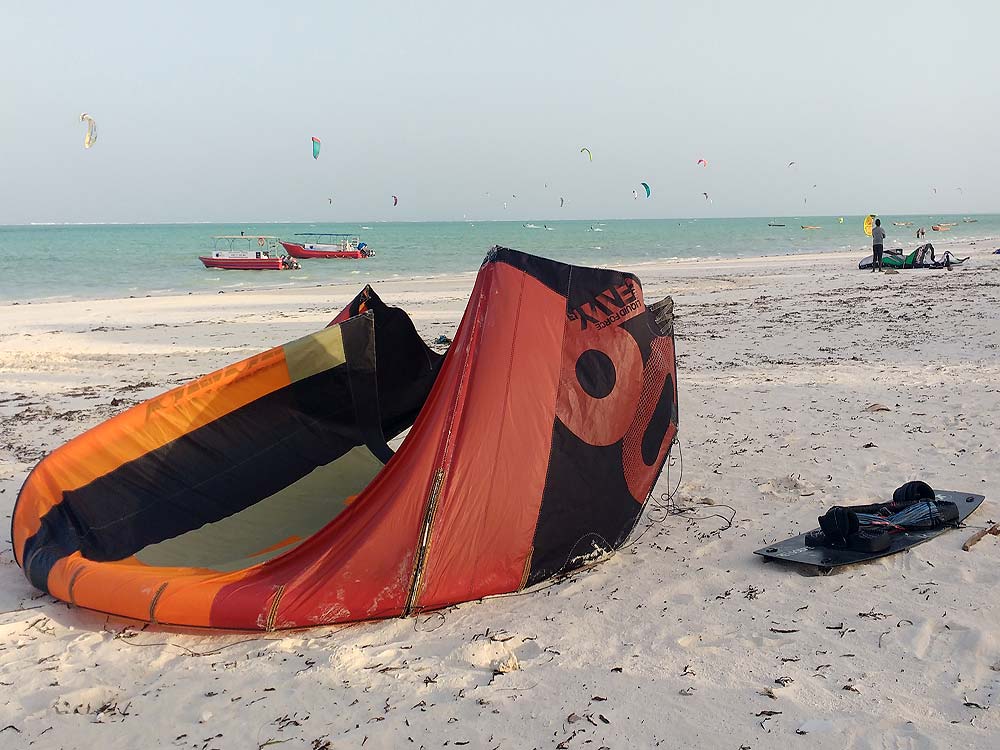
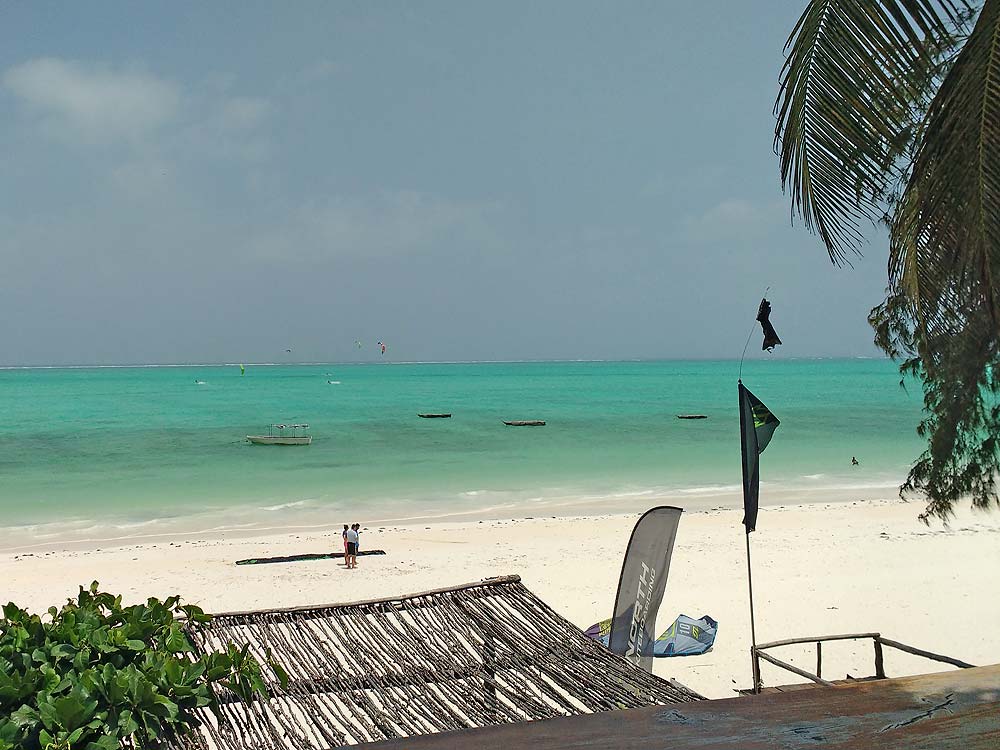
Touring Sansibar
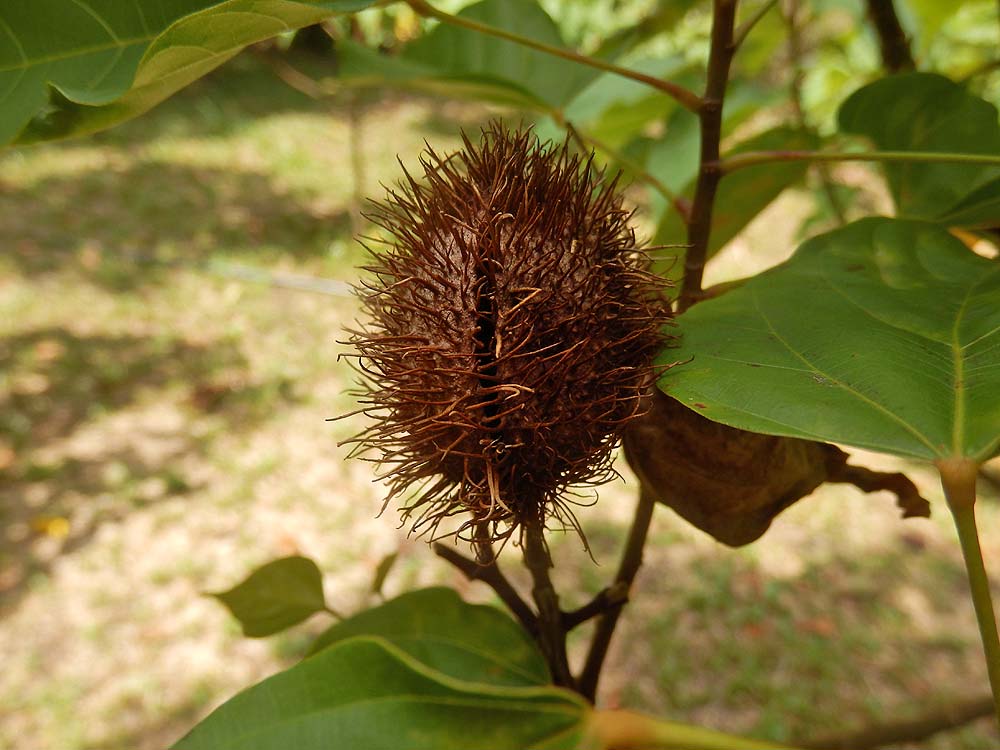
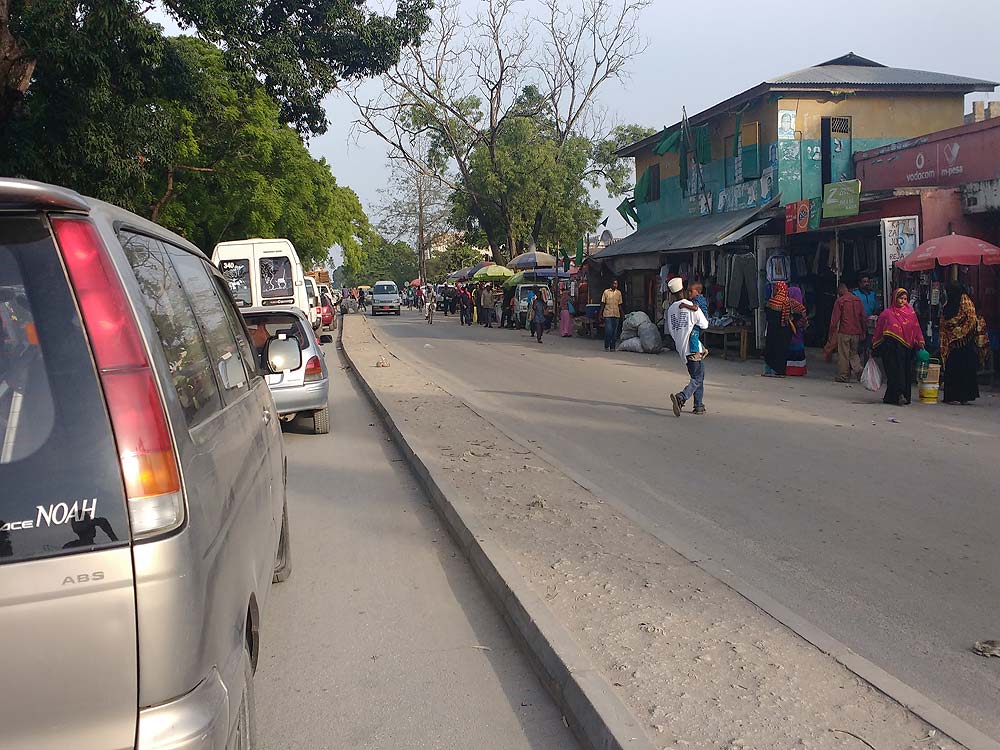
On the third day, I finally need the scooter for more than just withdrawing more money. I drive to the north of the island. Zanzibar is really tropical and green here. I realise how much I was depressed by the monotonous flat forestlessness in Paje. The route leads through sugar cane fields and spice plantations in the steaming jungle. A tour of a spice farm with tastings of fresh ginger, cinnamon, nutmeg, pepper, cloves, passion fruit, star fruit and vanilla cheers me up further.
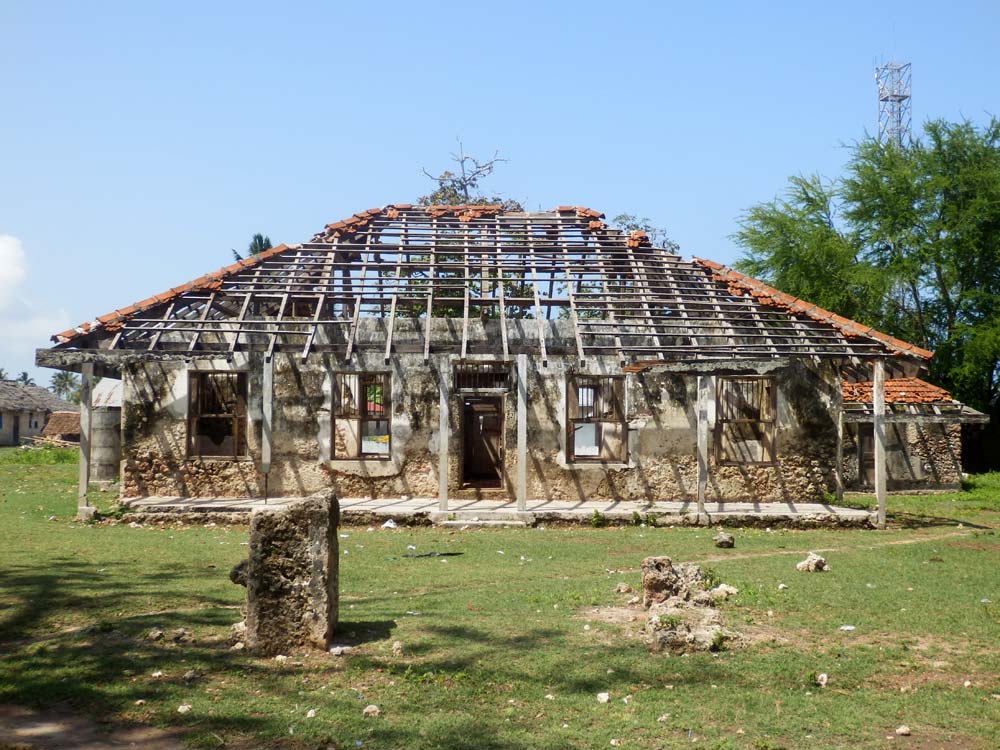
The Zanzibaris in the north seem happier than those in the arid poorhouse of southern Zanzibar. Smurfy schoolchildren in blue and white uniforms wander along the streets of the poorest villages. In one of them, I hit an easily overlooked high braking hill at 80 kilometres per hour. I manage to avoid a spin. But not another puncture five kilometres further on in the deepest jungle. (more…)
…simply withdraw money
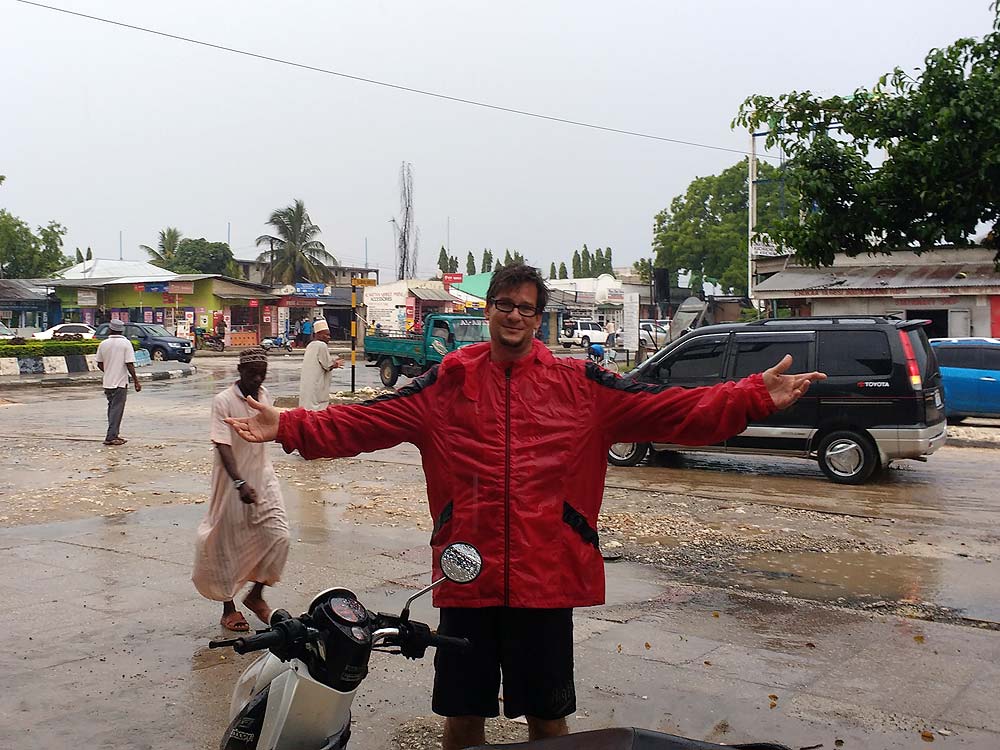
Zanzibar is almost like travelling the world 100 years ago. I let the sound of the sea outside my beach hut beat up my tinnitus and surrender to the circumstances. There is very little of that, in every respect. I’ve been completely offline for three days, as has the wind. The time needs to be utilised. I hire a scooter.
The issue of a local driving licence, prepared in blank thanks to a bribe, is completed with the speed of a drop of heavy fuel oil falling from the tip of my nose. After two and a half hours I set off. The arse end of the world is just 15 kilometres beyond Paje. Deepest central African backwoods. (more…)
The Zanzibar Blues
I sit in the shade in the morning and blow upwards towards my glasses. It’s the only thing that helps against permanent fogging after a heavy thunderstorm the night before. 34°, 95% humidity, no wind. On the plus side, the Zanzibari mosquitoes are all non-swimmers and swimming is the only thing you can do in this air.
The roof of my palm leaf hut at Demani Lodge has a leak. Fortunately, right above my head. Saves the morning shower, which is not always available. After half an hour I’m clean – but unfortunately I can’t sleep any longer. The bed falls apart when I push it away. Assembling the bed in the darkness of the power cut is so exhausting that I only wake up after a total of 14 hours. (more…)
Terminal: Muscat, Oman
Oh Vienna!
The Western Railway from Salzburg to Vienna turns the DB-damaged world view of train travel completely upside down. The train pulls into the station. On time, at below zero degrees! Every passenger gets a seat with a plug at a good price – without a reservation, and you pay with EC to the friendly steward instead of the snotty conductor. Free wifi swings us gently and quickly to Vienna. Legendary German qualities on holiday in Austria.
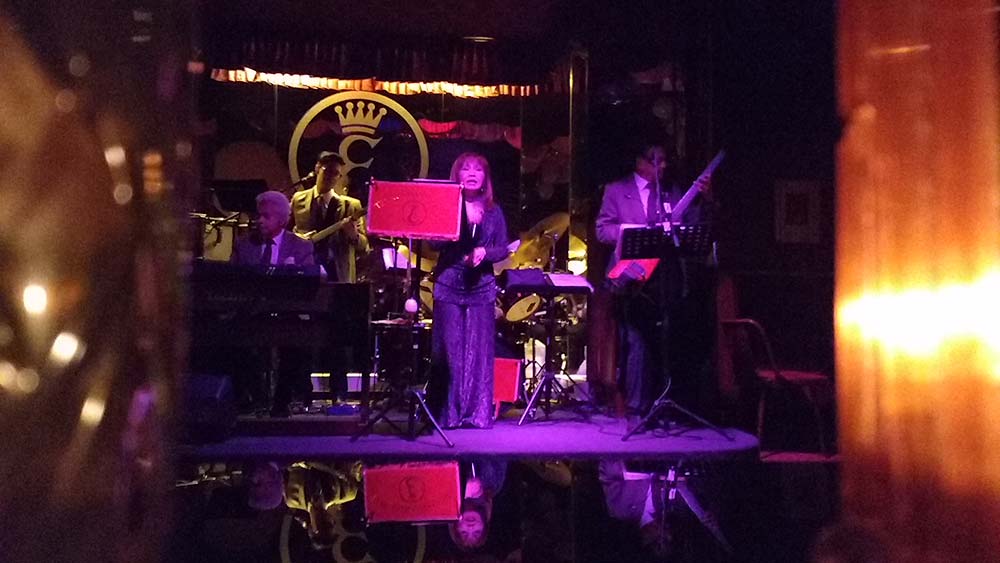
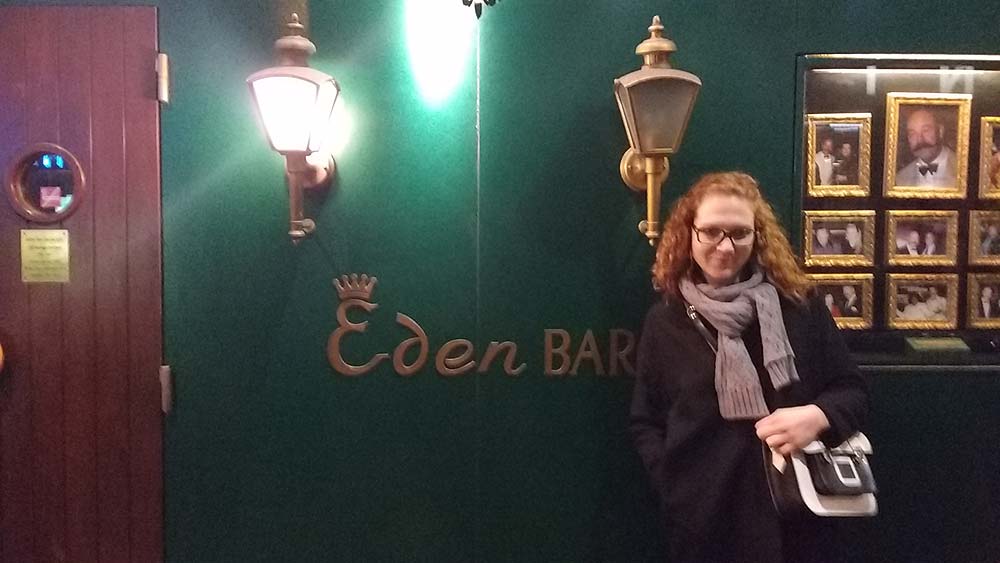
On the first night, we slay a legend. The old doorman in the purple waistcoat asks us to leave. Looking at my old jeans, he announces the dress code – but after another critical glance at my Austro-Turk “hairdresser” ravaged head of hair, he takes pity on me. We enter the Eden Bar. (more…)
War!
Lush house beats thump heavily over the end of the deserted beach just before the Albanian border. Blissful people dream tiredly of dancing on sand. I’m in the middle of it all and somewhere else entirely, all I want to do tonight is write, write until the battery on my ancient mobile phone runs out. Write until I’m finally empty and calm.
Montenegrin wine is good, and it flowed more than abundantly today. The local house party coke dealer reacts with almost pitiful disappointment to the modest rejection of this white-bellied no-pat. His sales are guaranteed today, the crowds are clamouring to forget nothing, while I desperately try to remember how we got here. (more…)

Panamericana, km 6.547: Going home
The Panamericana was the hardest voyage I’ve ever done. Even island hopping in the most remote places of the Philippines was usually way much easier. Sure, ten weeks are by far not enough time for even just the few spots I visited in seven different countries. First, Copa Airlines denied the transport of my kiteboard after 7.5 hrs in their hotline. I had to buy a split board. Then Condor lost all my other baggage for three weeks – thanks for the 490 €!
My laptop’s display broke right after the start when trying – but unfortunately not finishing – a backflip from the top bunk bed. The external replacement monitor i bought was good for many laughs in cherished places when cursing the almighty inavailability of an internet connection. For the first time in years of travelling my webdesign clients had good reasons to be angry with me. (more…)
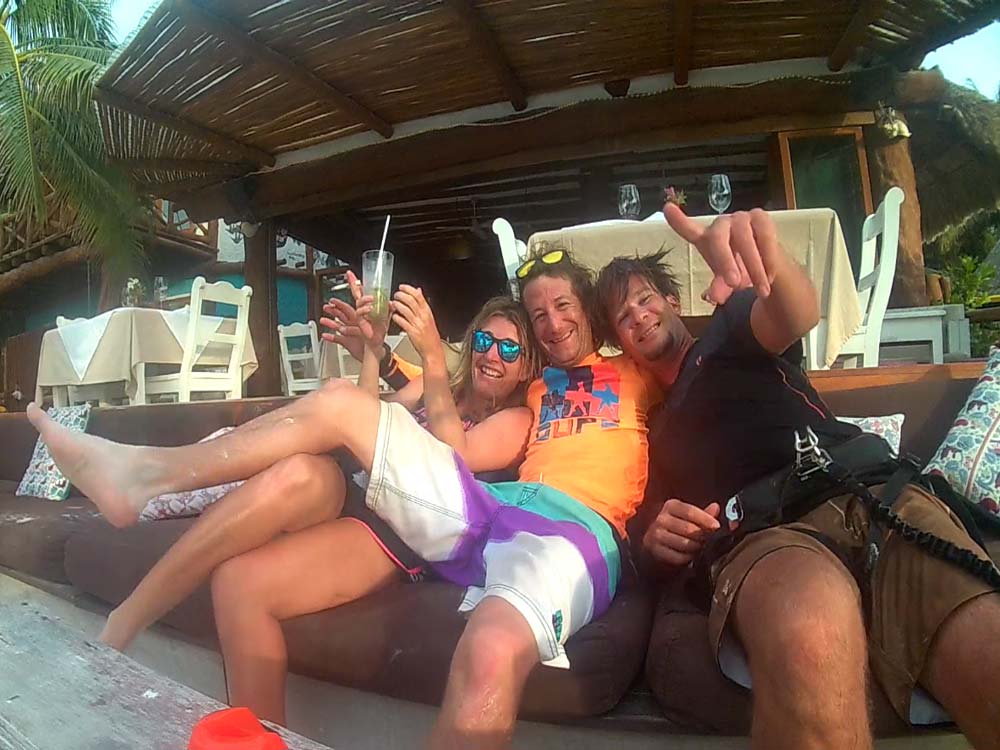
Isla Holbox
Holbox is the last surprise of my Pan-American journey. In Belize, a Swiss man said: “The best wind in Mexico blows there!”. He was right. Every day 16 to 23 knots and beautiful waves along with ten kite buddies on Holbox will be my last kitesurfing paradise.
Until 2013, kitesurfing was completely banned on Holbox, which is largely a nature reserve. Today we are allowed to kite – for a €10 wind usage fee, and only on a single beach one and a half kilometres north-east of the town centre. The wind is almost always from the east, so the kite beach lies sideways in the lee of the island. The only option is to take the kite school boat seven kilometres around the corner of the island every day for €14. (more…)
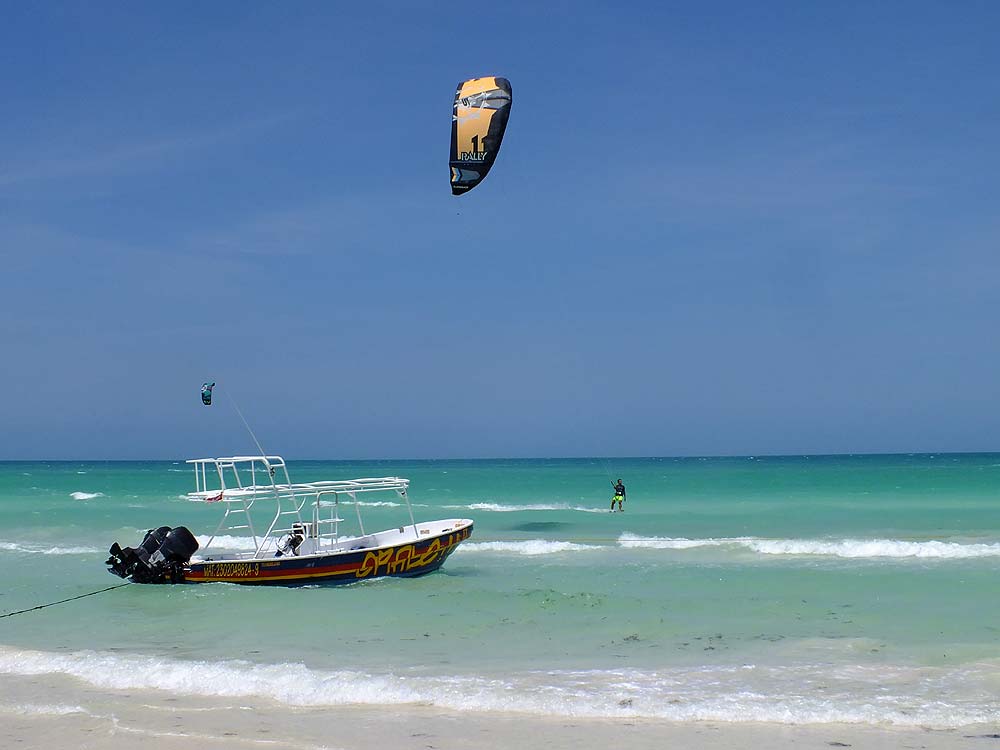

El Cuyo
El Cuyo is located in the very north of the Yucatan Peninsula. Open Street Maps recognises exactly one POI in this small, sleepy fishing village at the end of the world: “Iglesia”. The pampas between the last town of Tizimin and El Cuyo are supposedly also crossed by buses and collectivos, but so rarely that I need a cheap taxi for the last 85 kilometres.
Even during Semana Santa, it is no problem at all to find accommodation here. After five minutes I have a small, cheap hut on the beach. I am the only gringo among a handful of Mexican day trippers in the whole of El Cuyo. From the palm leaves rustling softly in the wind, a higher power whispers to me: “This is your task!” I shiver in 33° Celsius on the turquoise blue sea: “Huh?”. (more…)
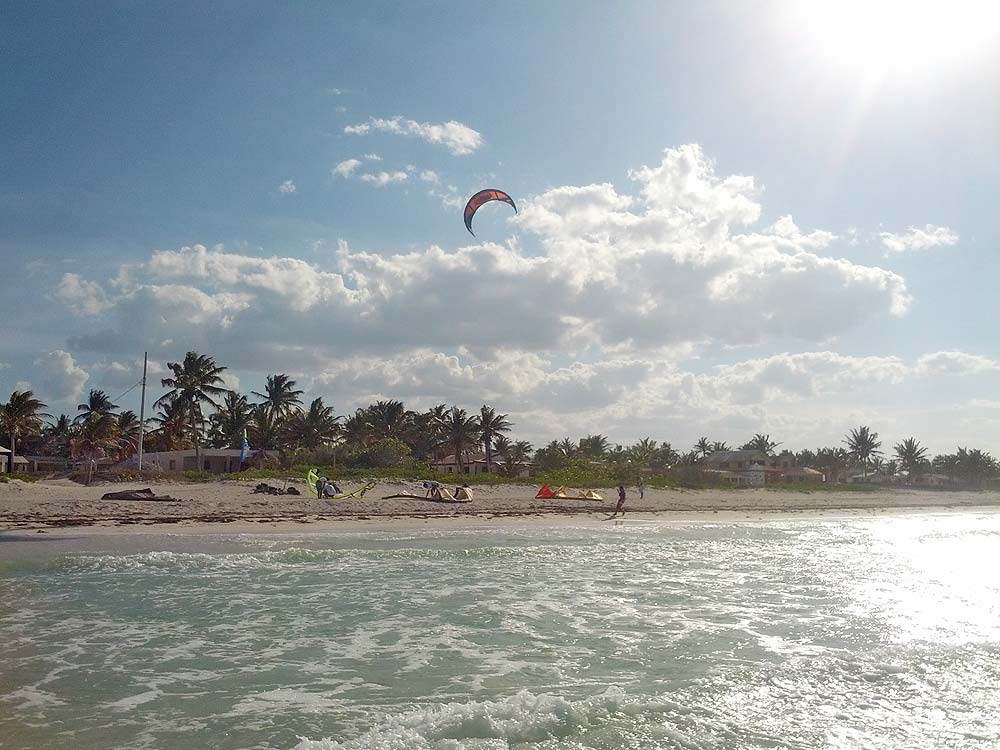
Tulum & Cobá
My Panamericana journey is coming to an end. Sicilia-Roomie Carmela takes me on a 10-hour journey from Belize to Tulum. Mexico’s southern border is at least as awe-inspiring as that of the USA. Yucatan is the Mallorca of Mexico: the two-lane highways have no potholes. Trucks and supermarket chains are American. At Easter there are more tourists here than inhabitants.
The marketing of the Mayan culture far outstrips the promotion of folk music in the Musikantenstadel. Everything here is Mayan: beer, shops, tours, hotels, even condoms. After the Conquista, the Mayans apparently caught the travelling bug. They emigrated to all corners of the world. That’s why today Mayan clothing comes from Bangladesh, Mayan stoneware from India and Mayan hammocks from China. (more…)

Do you Belize? Caye Caulker!
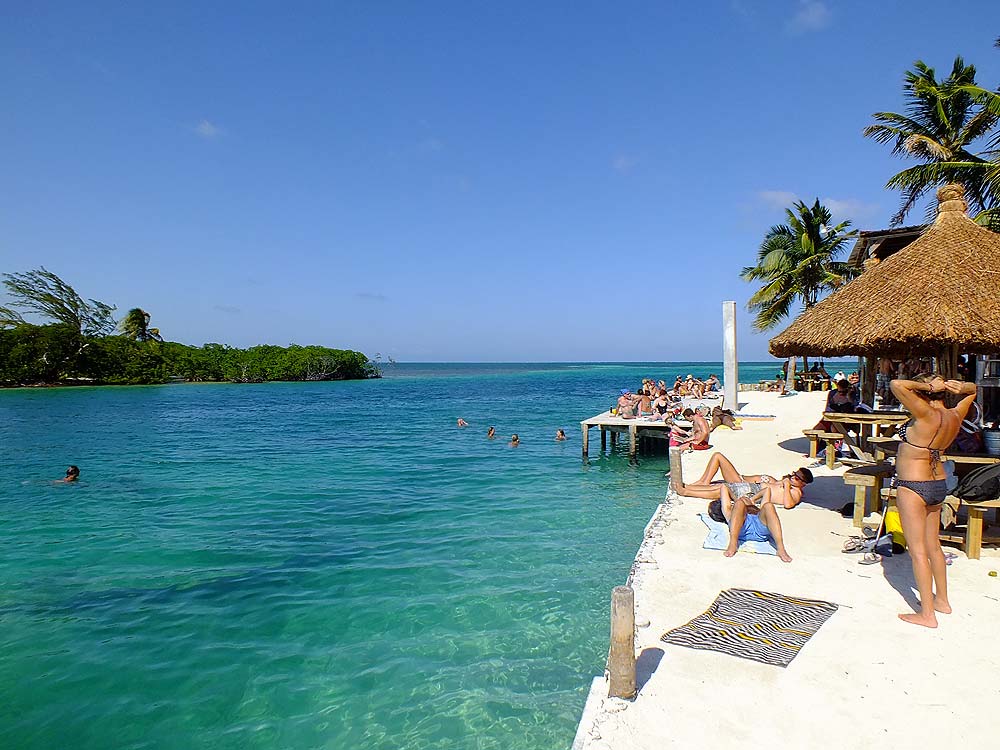
The speedboat takes you 40 kilometres out into the Caribbean over turquoise blue, smooth water. The cayes off Belize City are small reef islands and the melting pot for all international travellers between Alaska and Tierra del Fuego. The Pan-American Highway clearly runs over water here.
Caye Caulker is small. At just 1,500 metres by 500 metres, the houses are stacked high and narrow. There is hardly any open ground; countless bars and restaurants ate it up a long time ago. The only open spaces are the sandy streets, a football pitch and the cemetery. (more…)
Washing day & border triangle
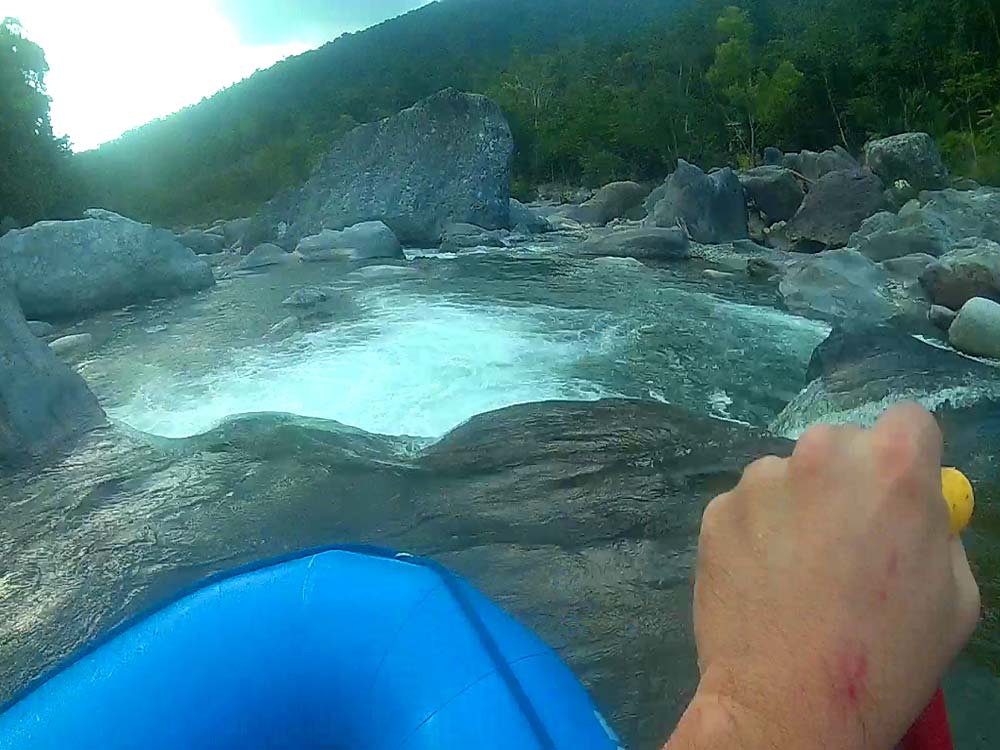
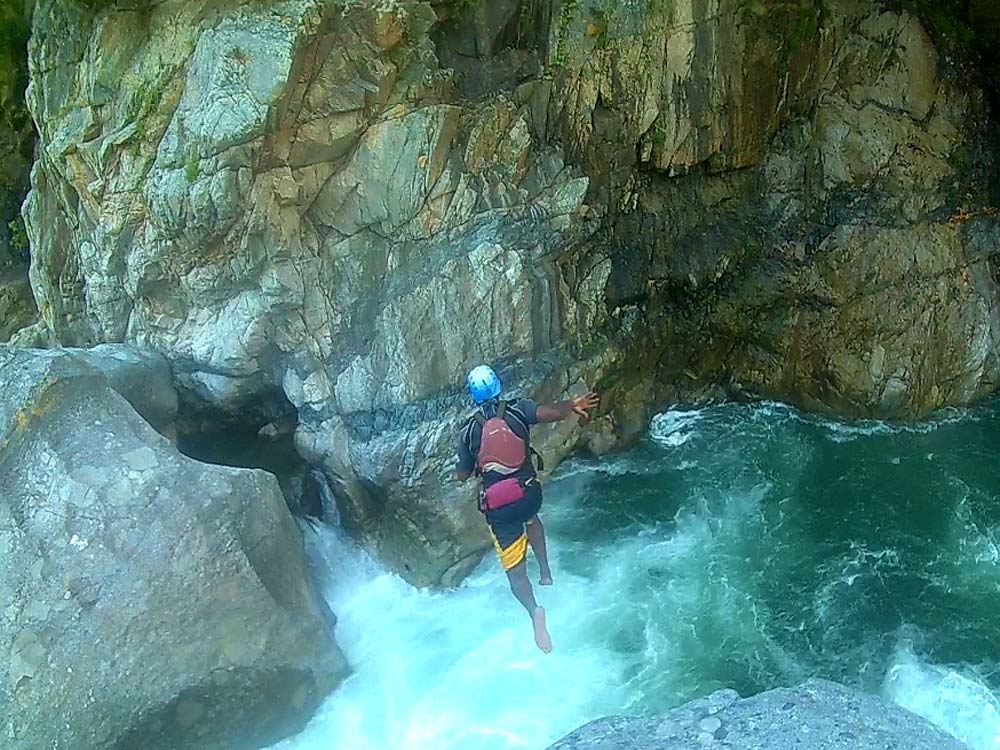
The Rio Cangrejal is considered one of the best white water rivers in Central America. In the rainy season, it is often impassable for weeks, when the water flows over five-metre-high stone giants. Now, in March, it is good for canyoning, a few high jumps into cold whitewater pools, some rafting and a proper full wash.
The protective wall at my hostel in La Ceiba looks like a cross between a velociraptor and a German hunter’s fence. It has certainly taken down numerous bad guys – even though its hunting ground lies within a gated community. Honduras remains the second of the 80 countries I have travelled to that has permanently frightened me. (more…)
Km 4.376: The Pirates of Roatan!
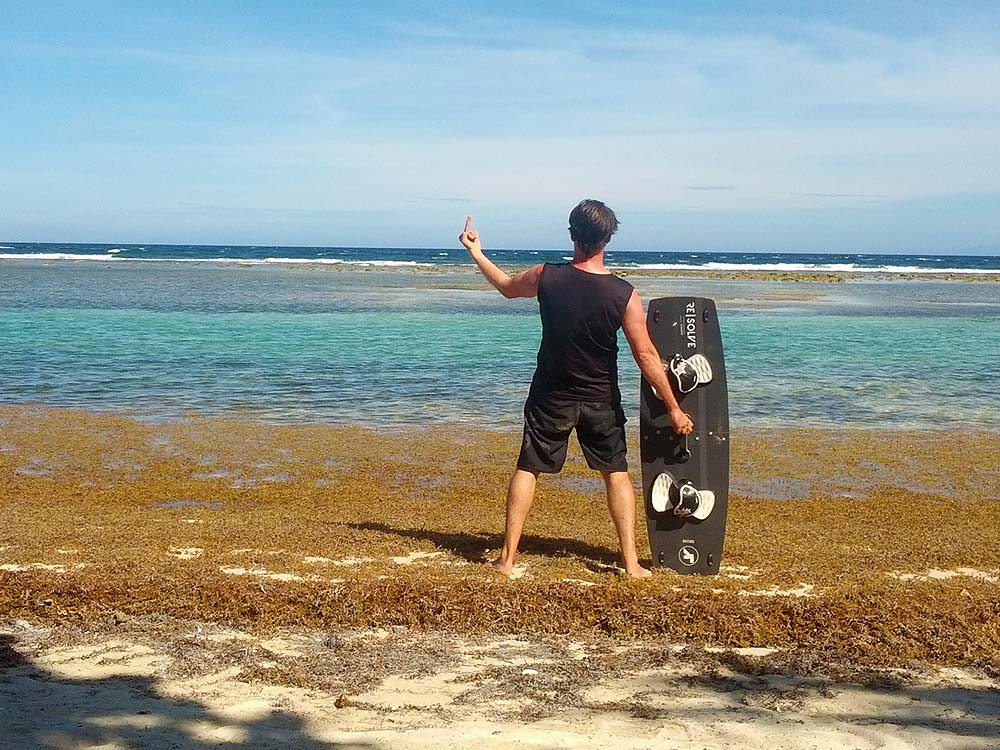
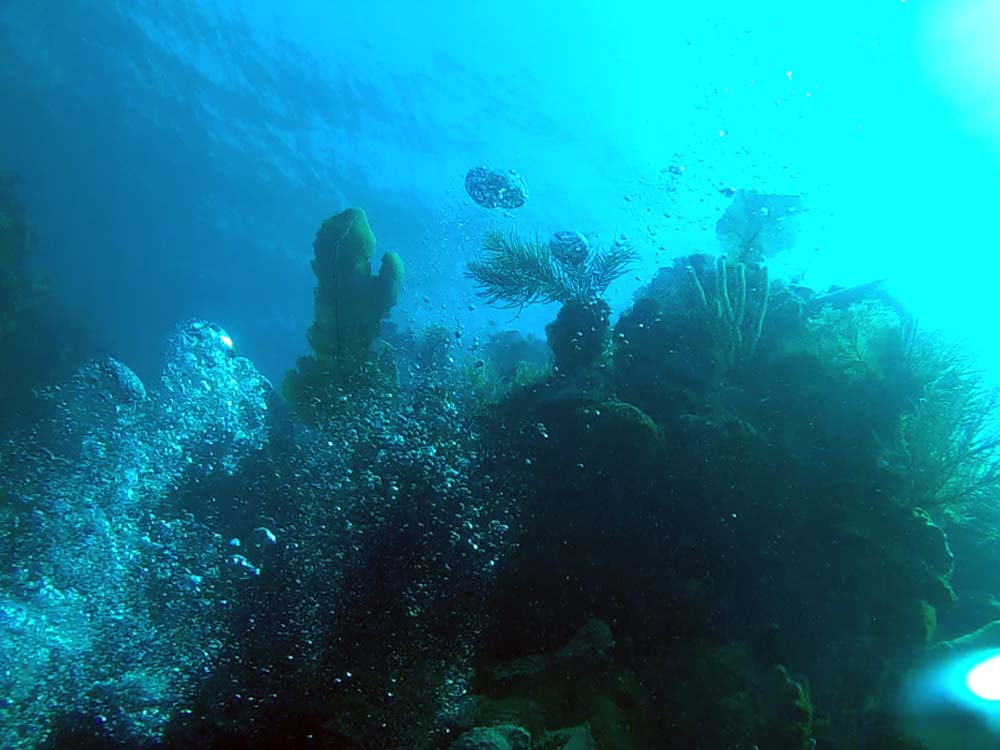
The impact on the old pirate island of Roatan is more than violent – and probably exactly what every pirate has experienced for hundreds of years: a small conspiratorial community beyond any law against the rest of the world, and a bottle of rum to boot! Today, the world voluntarily comes to the pirate island of Roatan. Unfortunately, they don’t realise how much more pirate than victim they are now. The English pirates once used Roatan as a base for their raids on the Spanish crown colony 50 kilometres to the south. Today we use it as the last wild west before sunrise. The capital of Roatan is named after the B-class pirate Coxen. The “Hole” behind it is the last bastion against the property mania. Blackbeard grabs Gilette and robs whatever the gringo’s greed for a slice of pirate paradise will allow. (more…)
Honduras Roadkill
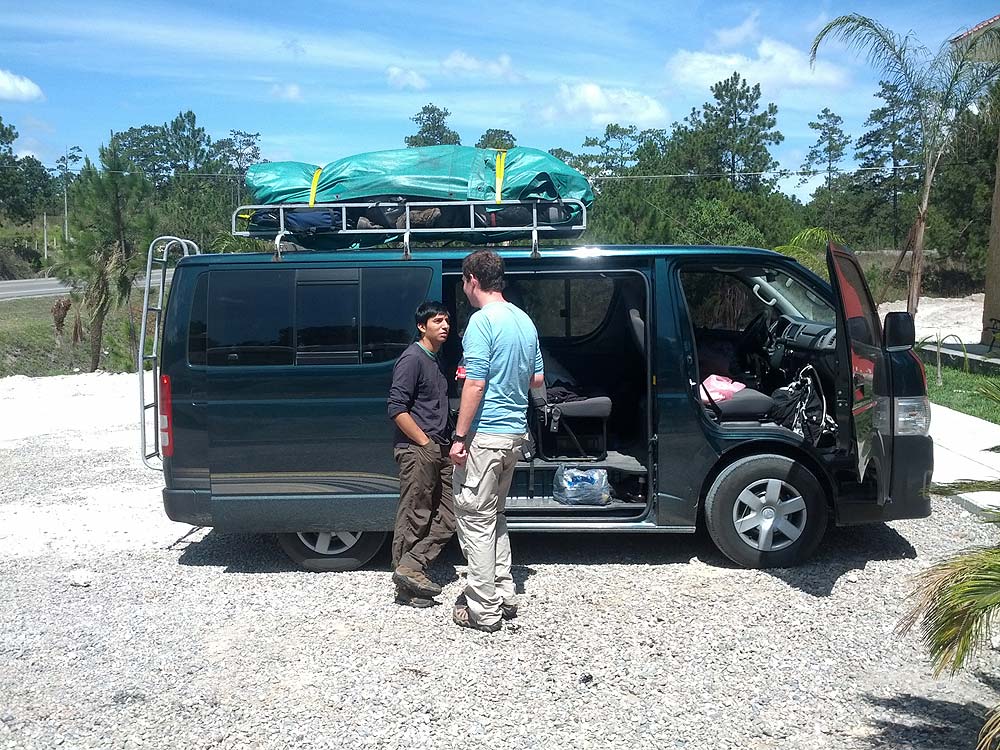
Our 750 kilometre road trip across Honduras begins at two o’clock in the morning near the border in Leon, Nicaragua. I don’t pay much attention to stories. I’m travelling. Searching for the truth. And then write about it. Honduras is the second exception in the almost 80 countries I have travelled to so far. Without exception, every story about Honduras advised against a three-day journey by public bus.
I book a non-stop trip by minivan for $80. At the border to Honduras, the roof luggage is given a rain cover at five in the morning. A well-travelled Yank teaches me better: “If there wasn’t a tarpaulin over the luggage, it would be stolen straight off the roof at traffic lights,” he tells me, while I exchange a few dollars at the usual border dung rate with a man with a ten-centimetre bundle of lempiras. (more…)
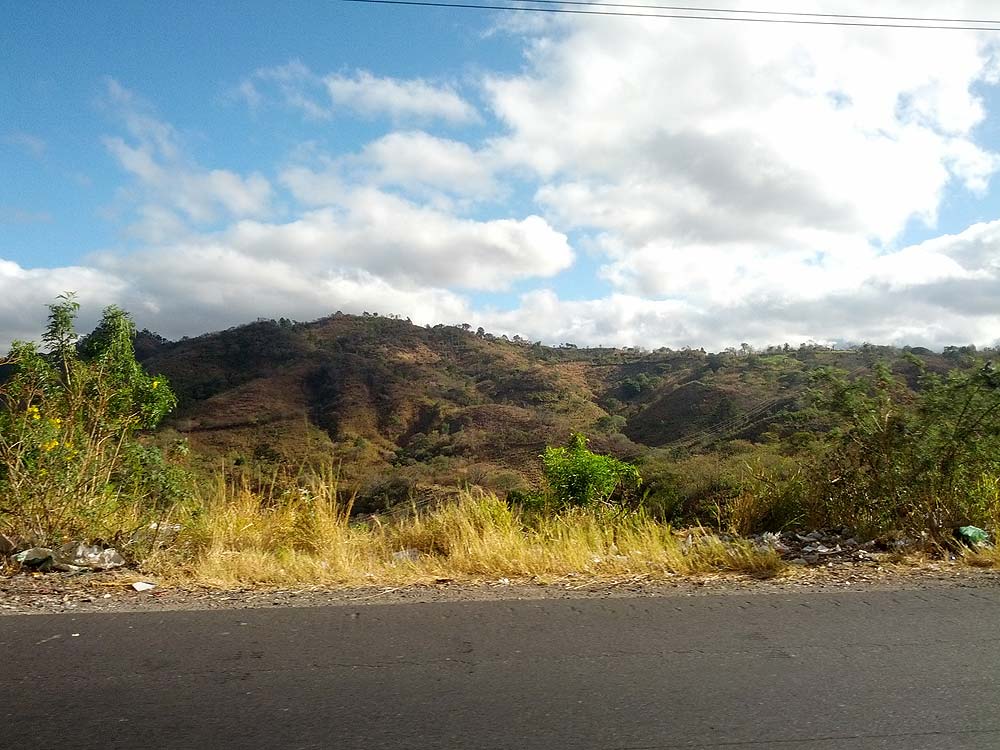
Leon: Long live the … what?
You certainly can’t understand a country in ten days. But I had hoped to recognise at least the beginnings of its soul. But Nicaragua didn’t make any sense to me. On the contrary. I am more confused than before.
Nicaragua is like its restaurants. There are at least 100 dishes in each one: pork, beef, chicken or fish, combined with rice, chips, beans or vegetables. An endless, tiring, meaningless variety. You always wait at least an hour for your food, while five waiters stand around bored. Then the food is served cold and you wait another half an hour for the bill. (more…)
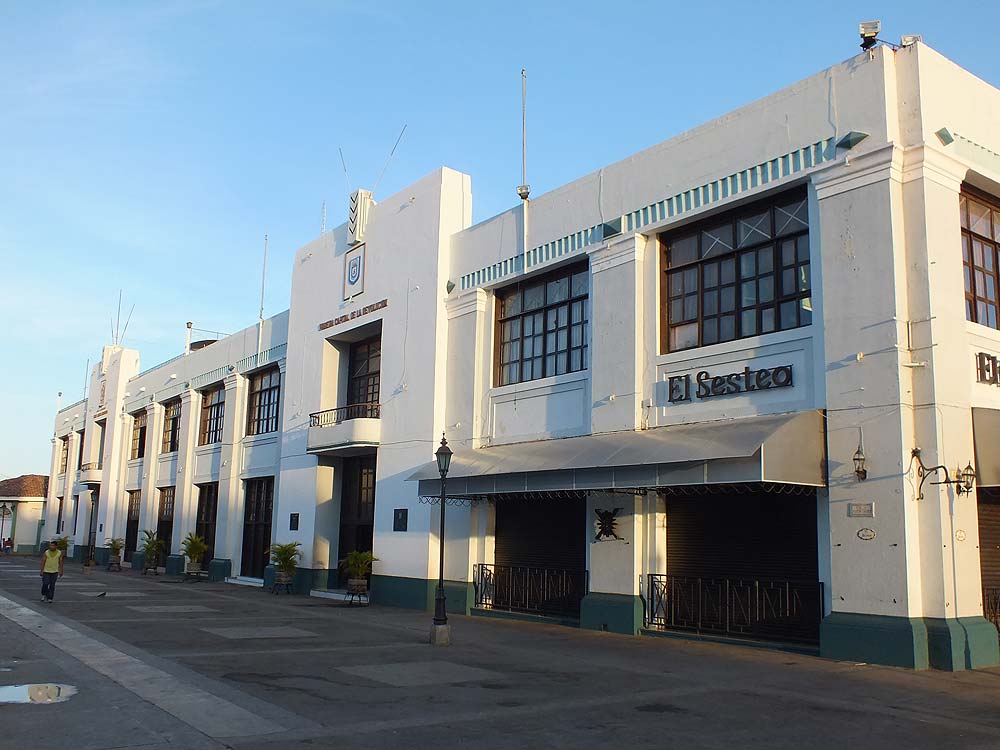
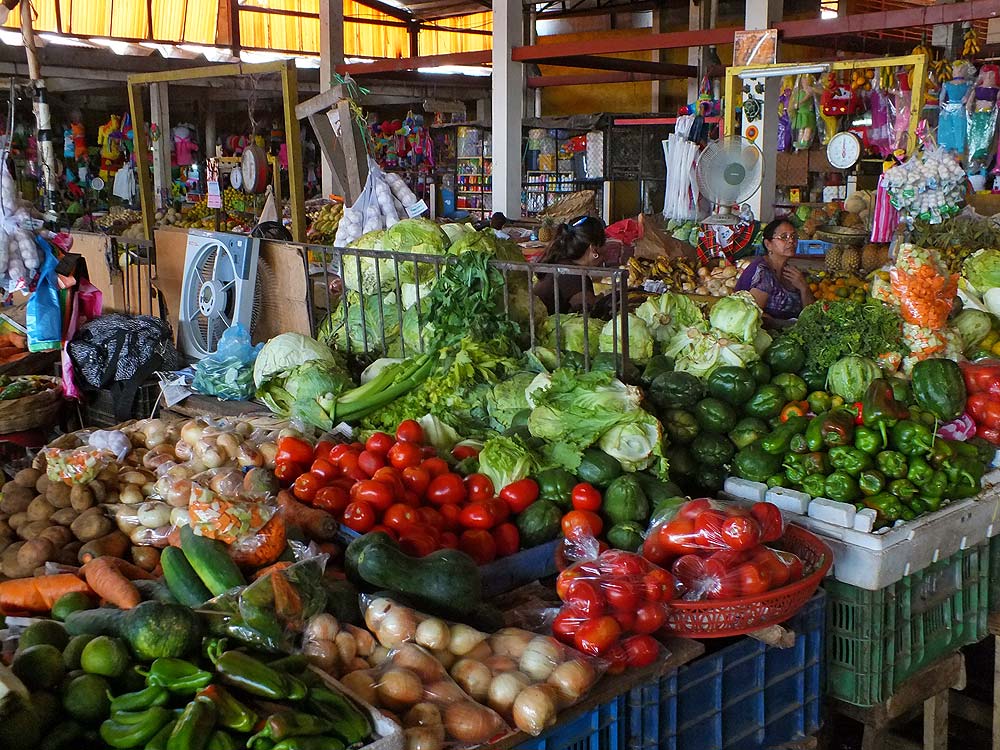
Nicoya Soulsister
With some people you plan journeys for eons. Other travelling partners find you within moments. Both have one thing in common: you have no idea where the journey with them will take you. Real travelling is always unplannable, open and without a destination.
I’ve grinned 17 Thai ticks to death, talked 24 Egyptian vultures to sleep and sung at least 32 Filipino karaoke guys to death, but it’s in the pushers on the Nicaraguan border that I find my masters for the first time. On the 800 metre walk between Costa Rica and Nicaragua, an ever-changing swarm of at least five eloquent shithouse flies accomplish the masterpiece of taking a whopping $60 out of a globetrotter’s pocket instead of the necessary $20. (more…)
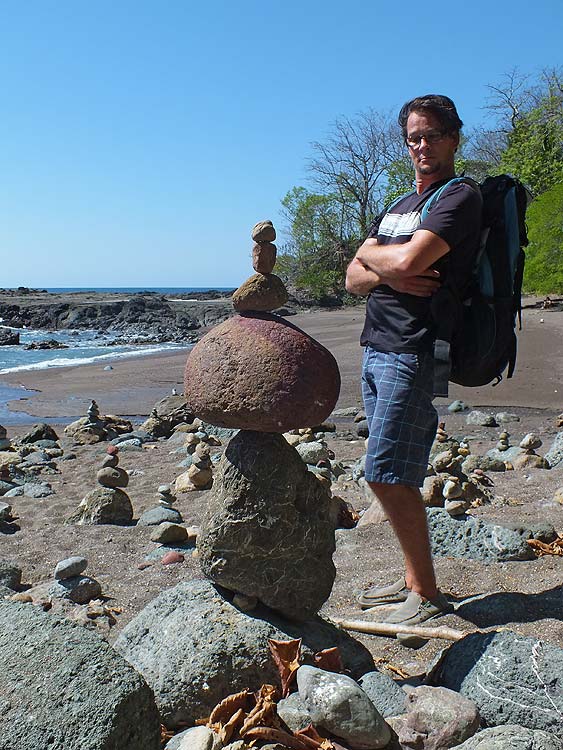

Ometepe
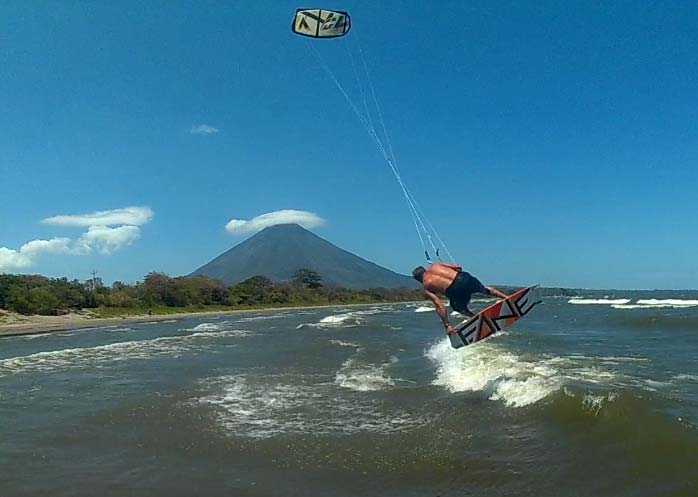
The island of Ometepe, located in the middle of Lago Nicaragua, is the biggest surprise of my Pan-American kite trip so far. In Costa Rica, everyone said the wind on Ometepe was much weaker. It is almost as strong. On five out of five days, I was mostly on the water with the nine kite.
In the morning, the wind usually blows very laminar with 20 to 25 knots side-on from the right. It likes to take a siesta at midday. In the afternoon, it freshens up considerably to 35 knots. In the evening and at night it blows violently. Santo Domingo beach is the only kiteable beach on the whole of Ometepe. I circumnavigated both volcanoes on the Enduro on 80 km of gravel track. (more…)
The Author
 Frank Woelky, born in 1973. Kitesurfer since 1998. Since 2006, I have been combining kitesurfing and web design on trips lasting several months off the beaten track.