

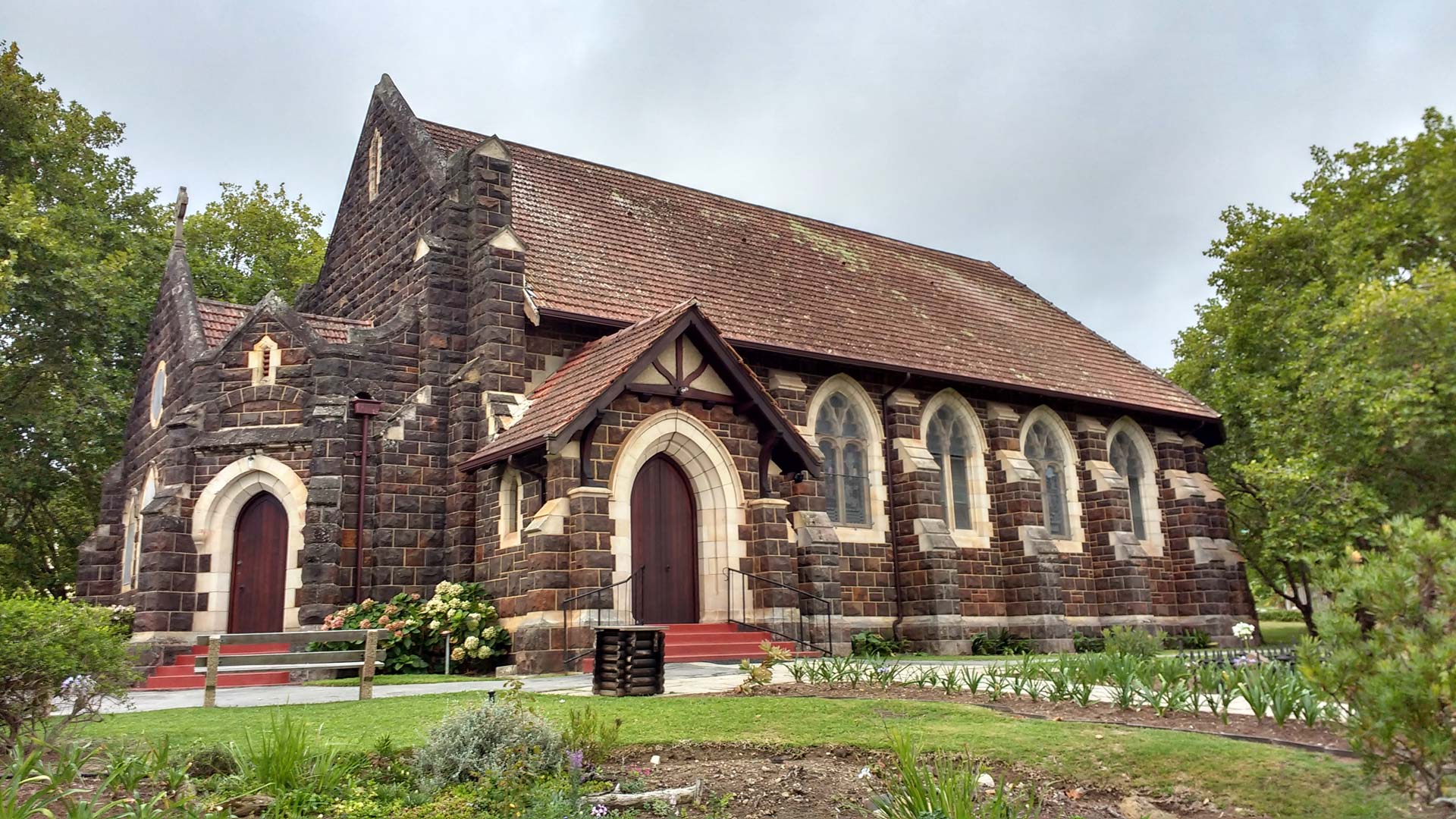
We cruise another 500 kilometres to Knysna in the east. Our first tour along the Garden Route ended in Mosselbay. We didn’t think much would change there. We were completely wrong! The steppe east of Cape Town, which was scorched brown just three weeks ago, is now green again after a few rains. From George onwards at the latest, you feel like you’ve arrived in a completely different country.
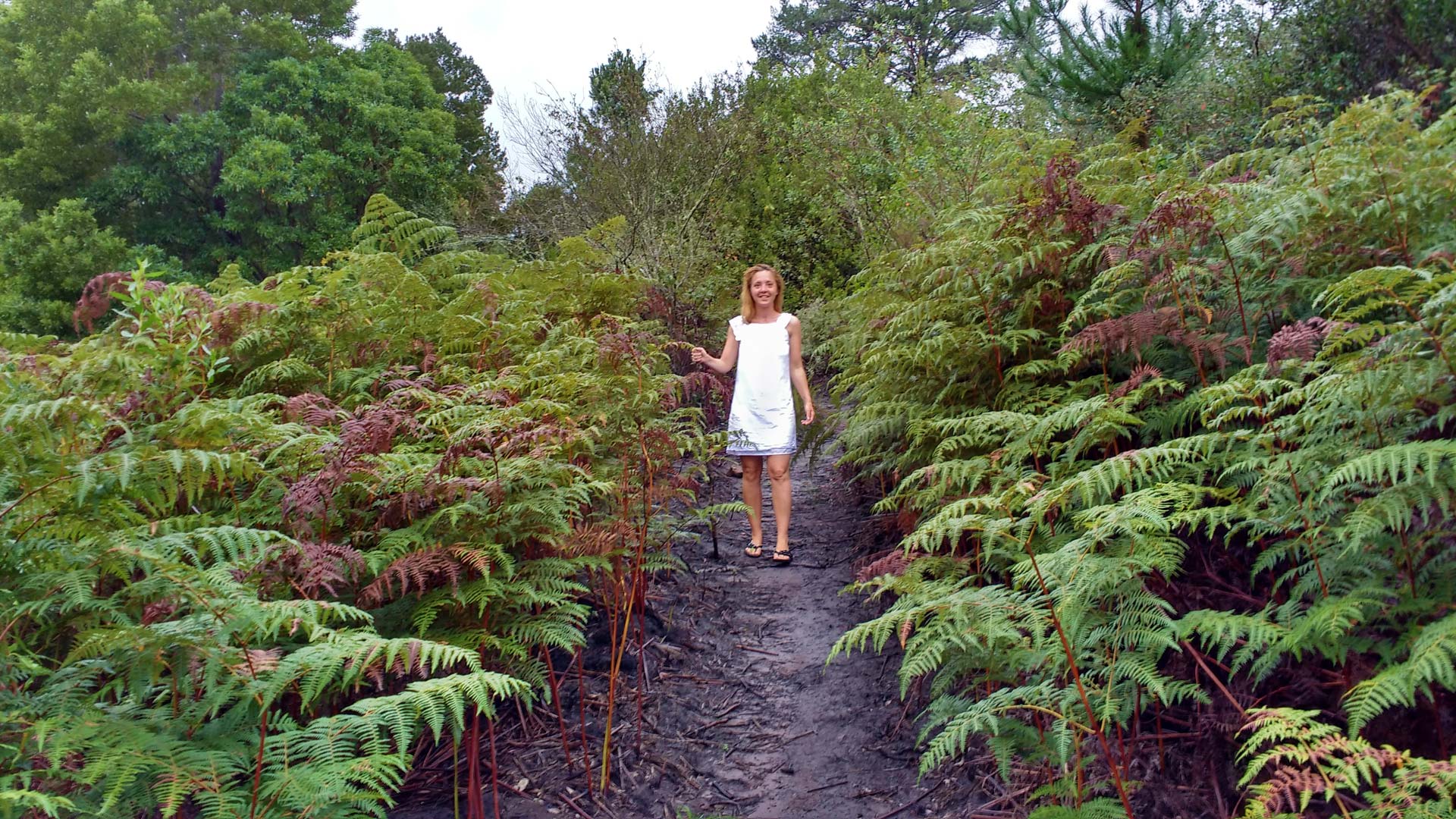
Every few kilometres, rivers flow into the Indian Ocean via large reed-covered bays. Flamingos, storks, herons and cranes strut between them. The clouds clinging to the steep coastal cordillera, up to 1600 metres high and 15 kilometres inland, regularly bring heavy rain. The forests from there to the coast are as green as New Zealand rainforest. There are ferns and even the New Zealand Christmas tree with its red flowers.
Our accommodation is the vegan hippie camp“Peace of Eden” in the hills above Knysna. Our large safari tent with panoramic veranda and double bed on a tree house-like platform is located in the middle of the dense rainforest. In the fully equipped music studio, the lovely hippie owners are helping a township musician to grow up. The rainforest sings its song as we fall asleep. We try to locate the animals’ voices and tell them apart, but fall asleep three times by the tenth.
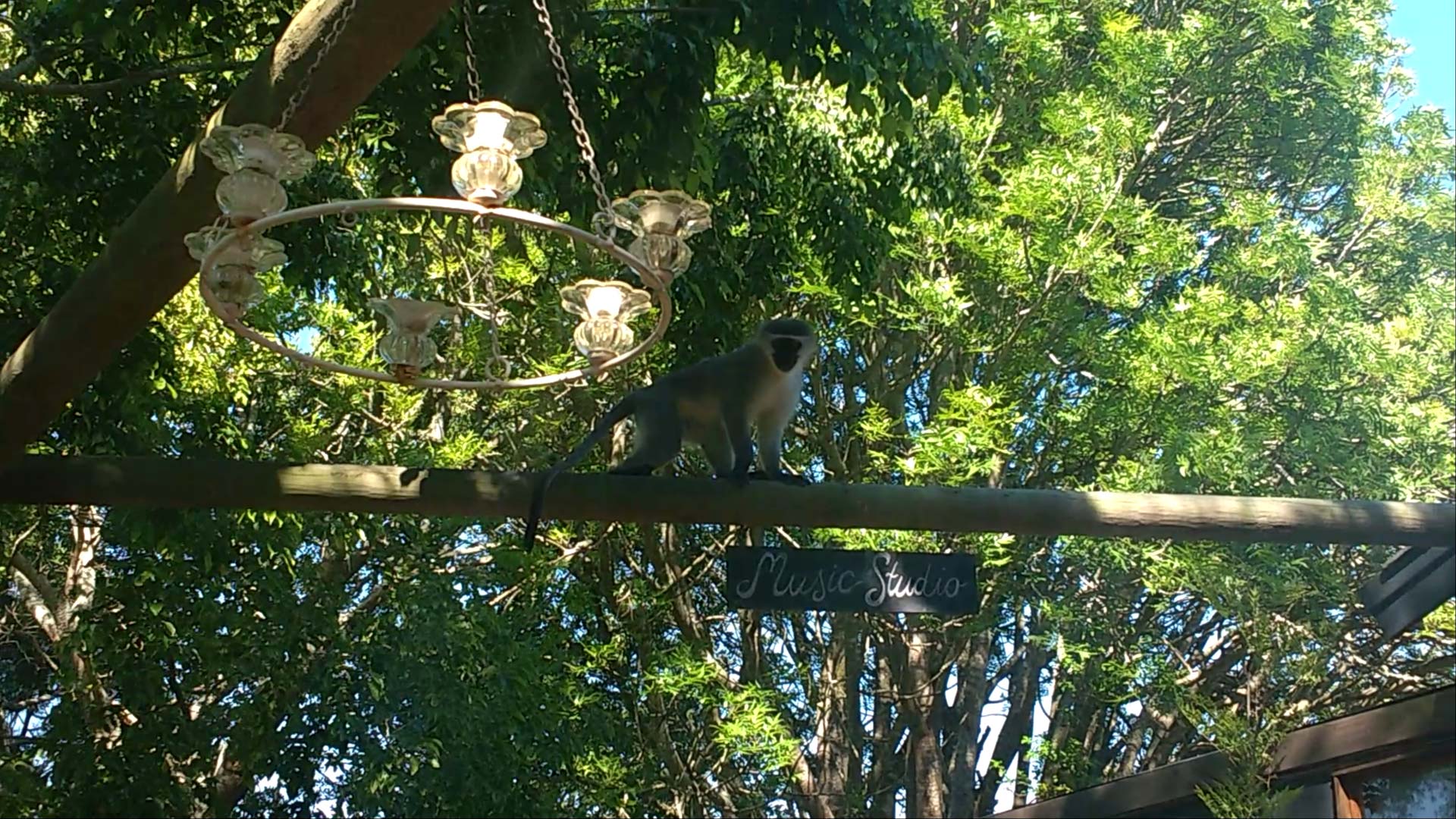
We have to defend our breakfast against free-living thieving monkeys that come here every morning on a raid. A few hours later, we visit gibbons, baboons, macaques, lemurs and several other species in Monkey Land, a highly acclaimed facility for rehabilitating maltreated monkeys from all over the world. The monkeys are certainly better off there than in the laboratories before, and they probably also have enough space in the large free-range enclosure – Monkey Land nevertheless remains quite an expensive zoo.
At the farmers’ and craft market in Sedgefield, hundreds of hippies sell their wares to the many customers who have travelled here every Saturday. After craft beer and live music, we tour into the mountains behind George and back to Knysna via a single 50 km rollercoaster on the unpaved old Seven Passes Road. Along the way is the 700-year-old Big Tree with a trunk circumference of nine metres.
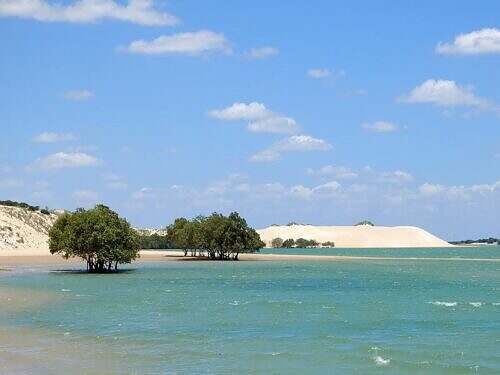
In Plettenberg Bay, a river flows into the sea again via a large shallow lagoon with a sandbank in front of it. Unfortunately there is no breeze, otherwise it would be a perfect flat-water kite spot flanked by flamingos. We drive back to Knysna. The wind is blowing. On Leisure Isle we check out the first of two possible kite launch sites. The small sandy beach is too busy, and the onset of low tide causes strong currents in the shallow water just before the estuary. Not good. But two kilometres further on we see a few kiters on the other side.
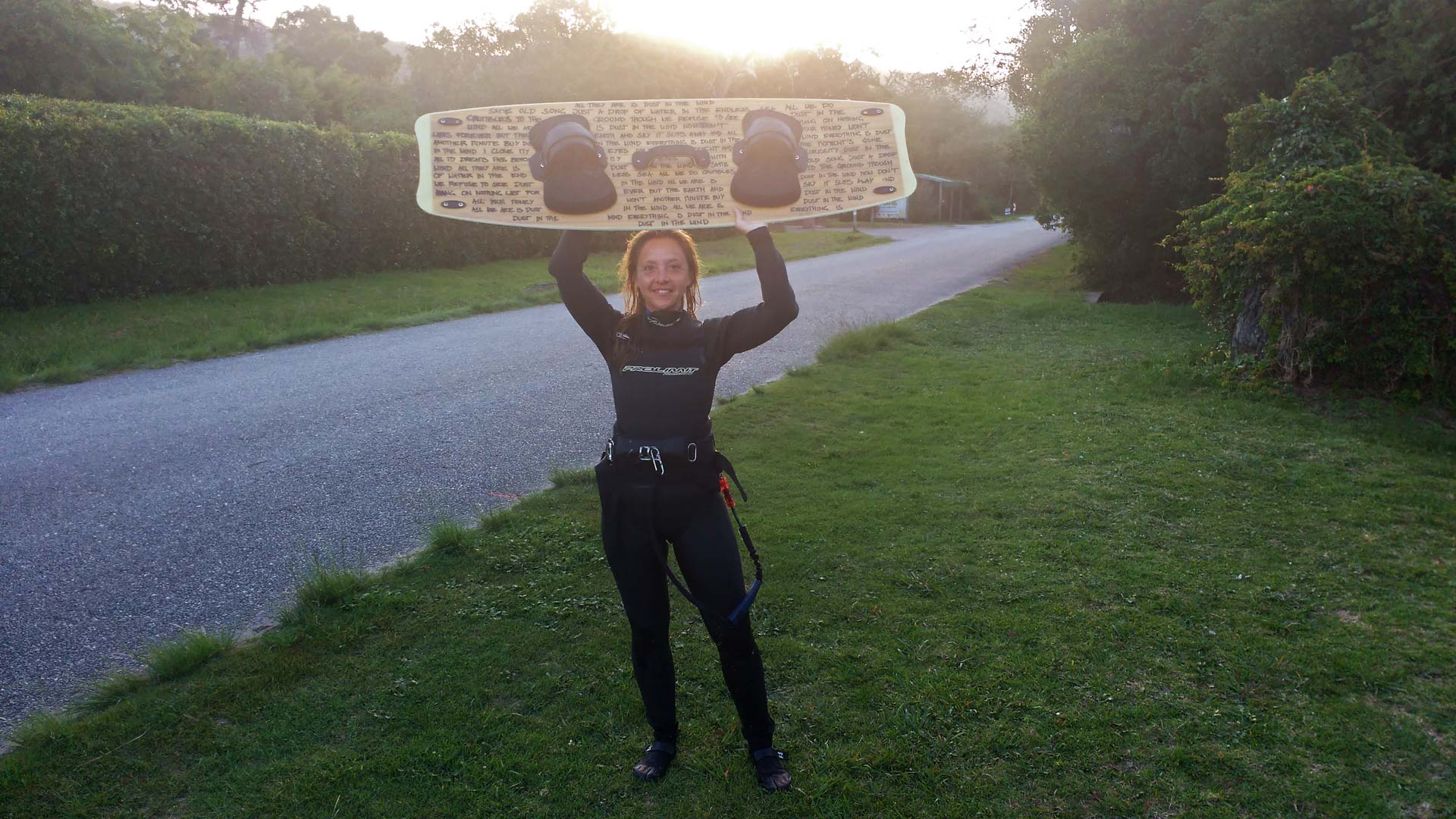
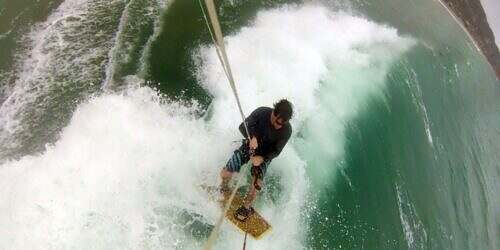
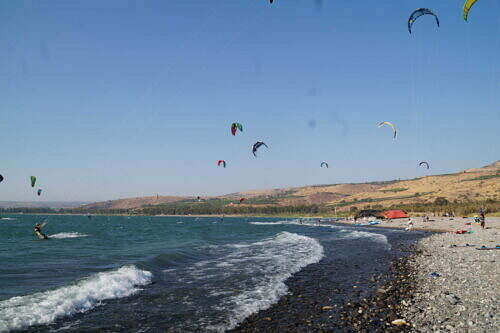
The other side requires a nice 25 kilometre drive around the whole bay from Knysna to Brenton on Lake. The construction sites in the middle of the lagoon’s protected alluvial land block the way to the water and force all kiters to walk a long way. Otherwise the spot is perfect: constant 16 knots sideshore, extremely large standing area without obstacles and with a soft bottom. Plenty of space to set up on the meadow in front and only a few kiters on the water. Almost Baltic Sea conditions. Verena rides her first ten metres on the kiteboard today. The sun goes down and her grin shines even brighter. Happiness.
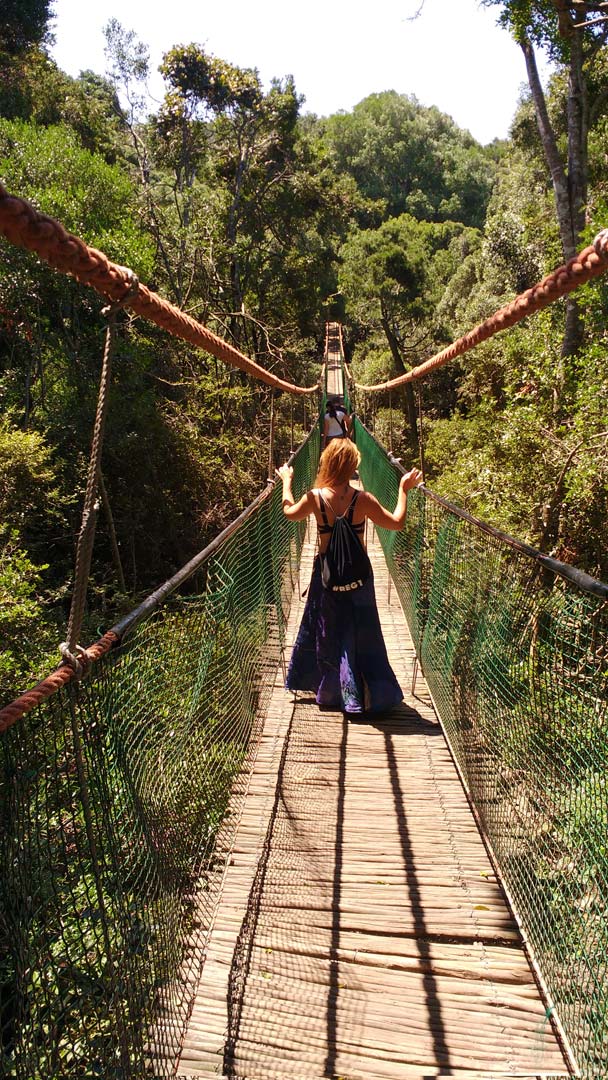
On the last day, the forest really becomes a rainforest. It rains almost non-stop for 24 hours. We use the time for a short jungle tour, follow a small stream across country through the undergrowth and put a horde of baboons to flight. The clothes on the tent veranda get a full wash – the dry clothes in the tent absorb all the moisture from the air. On departure, the aroma in the car is more than full-bodied.





 Frank Woelky, born in 1973. Kitesurfer since 1998. Since 2006, I have been combining kitesurfing and web design on trips lasting several months off the beaten track.