

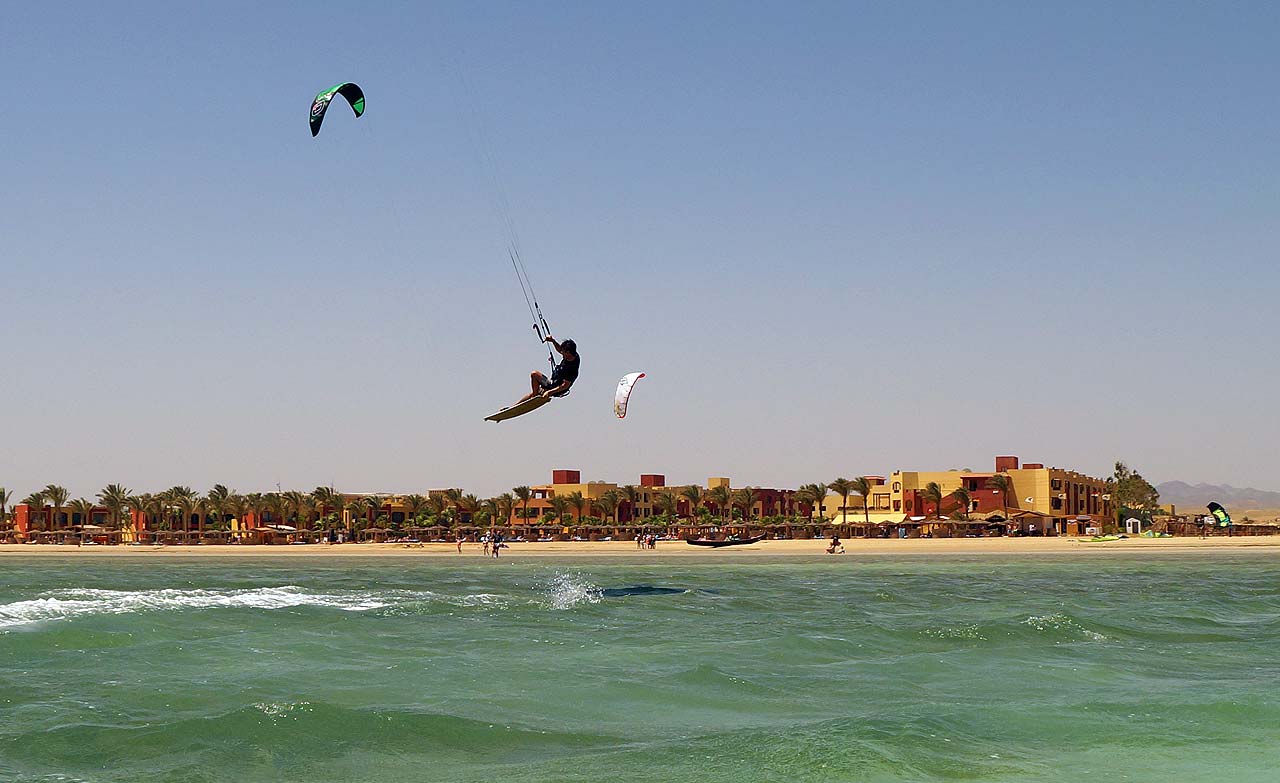
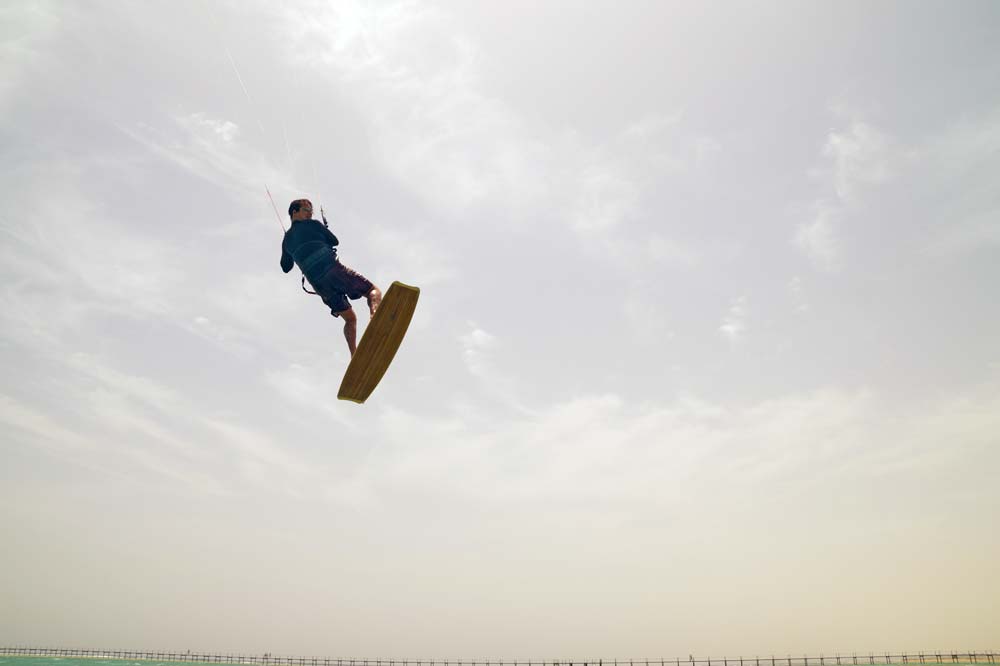
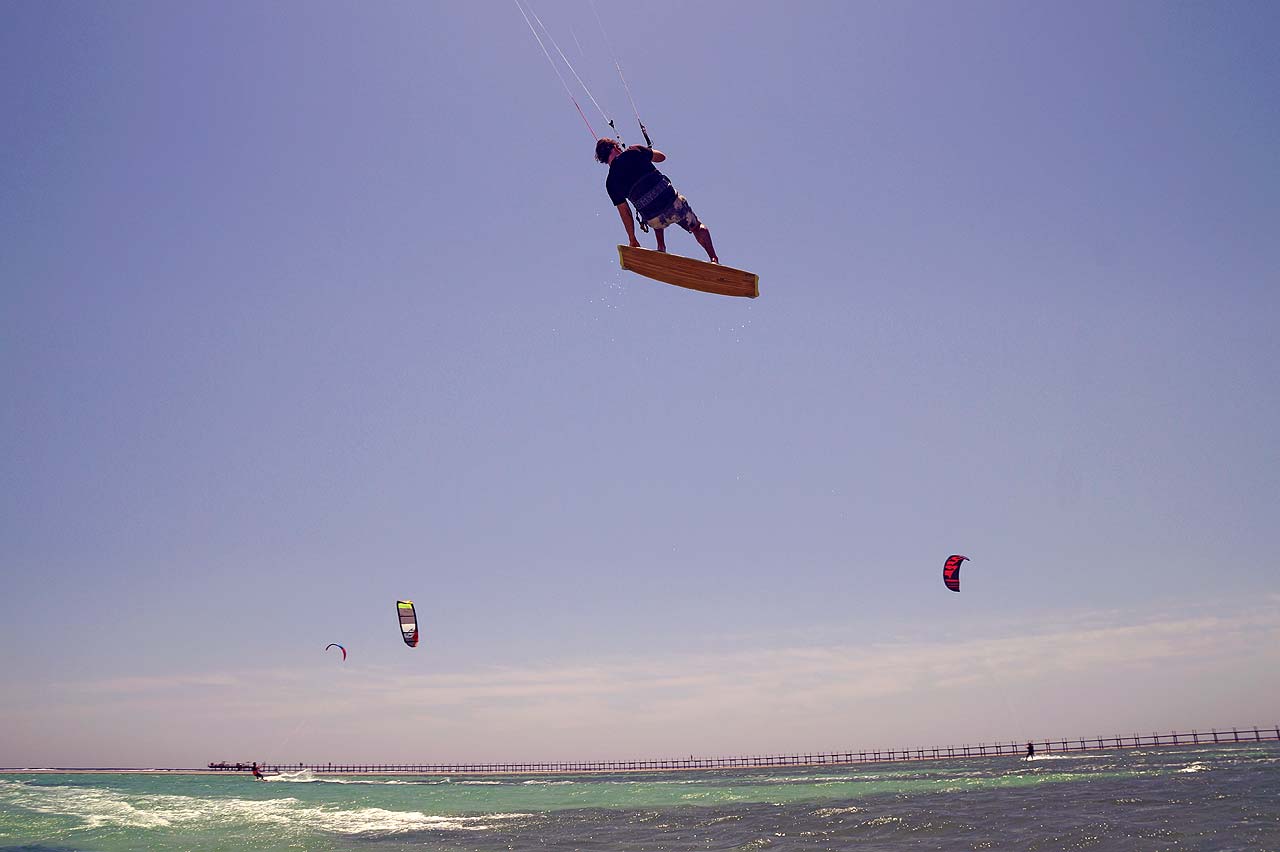
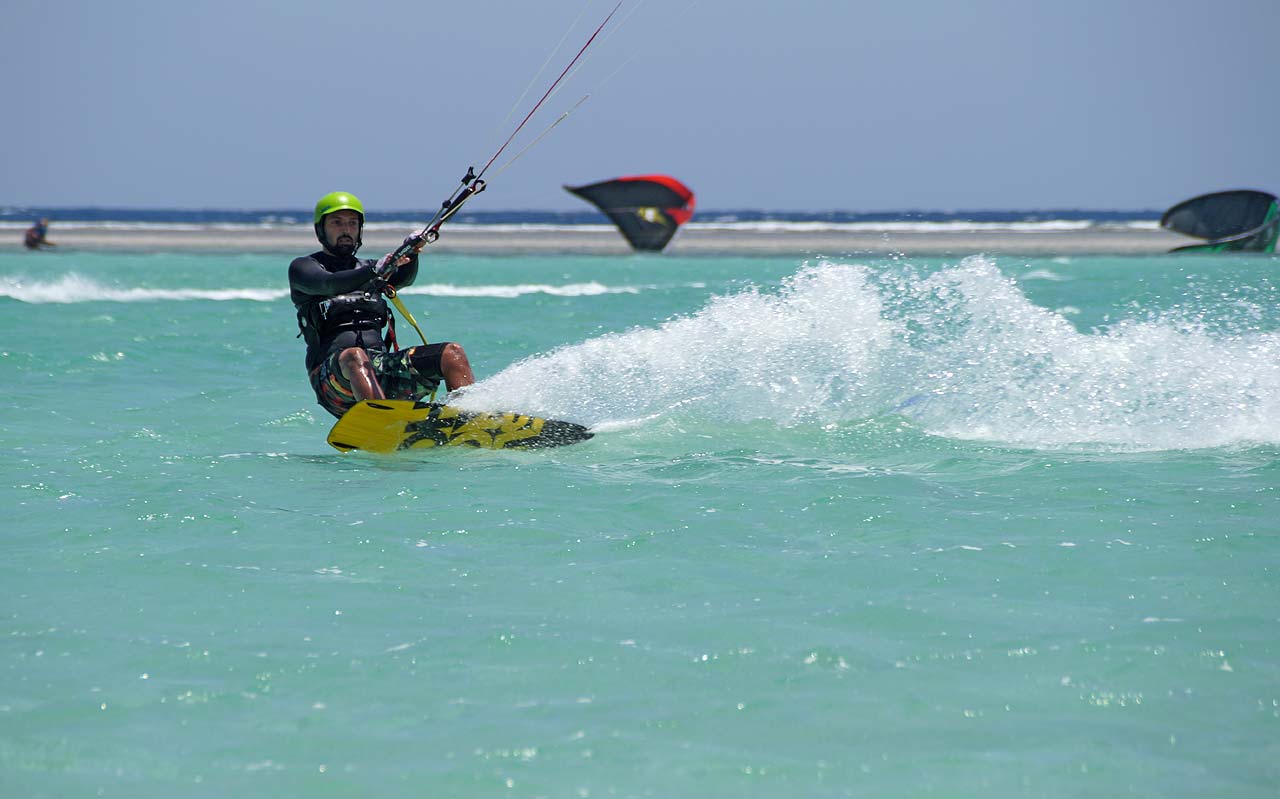
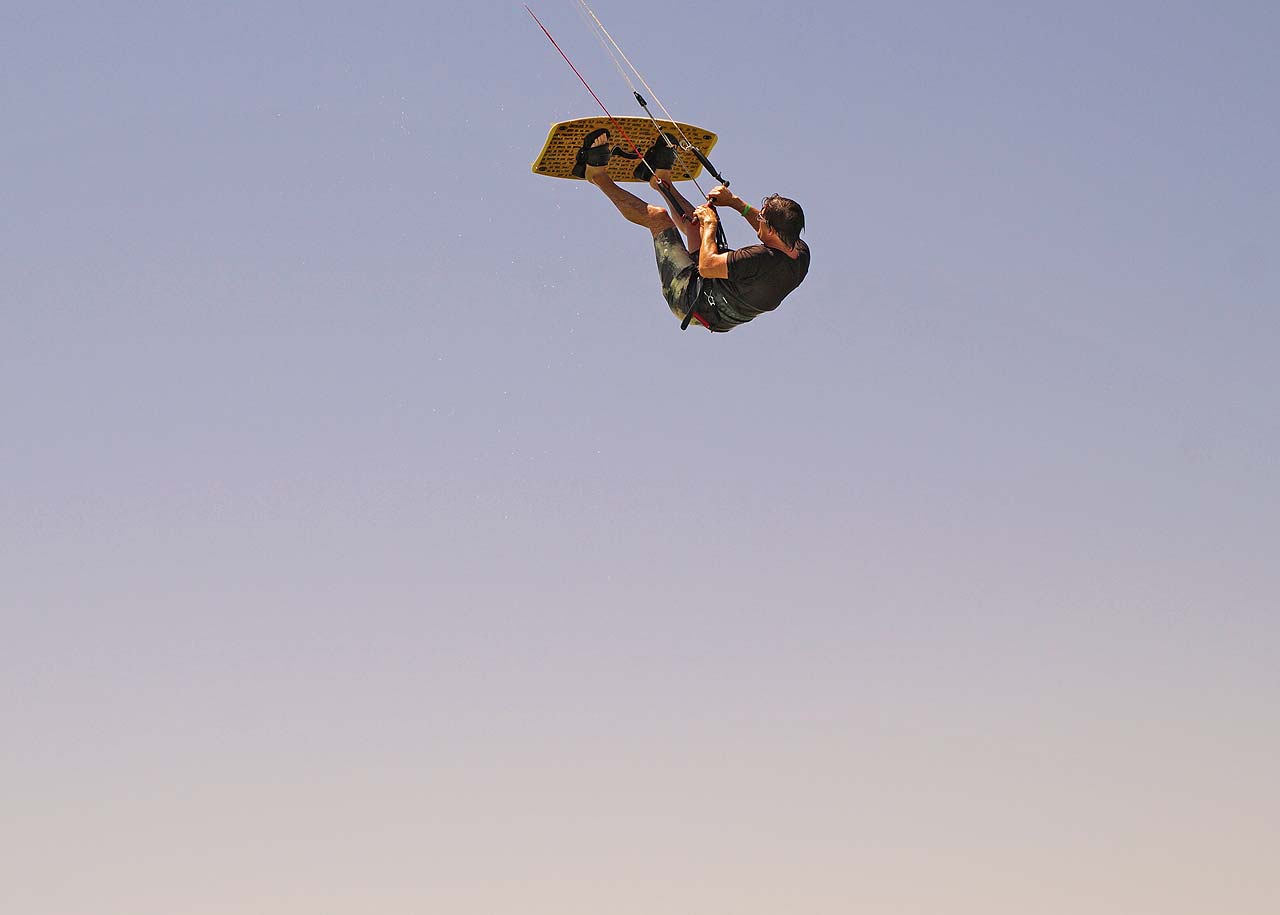
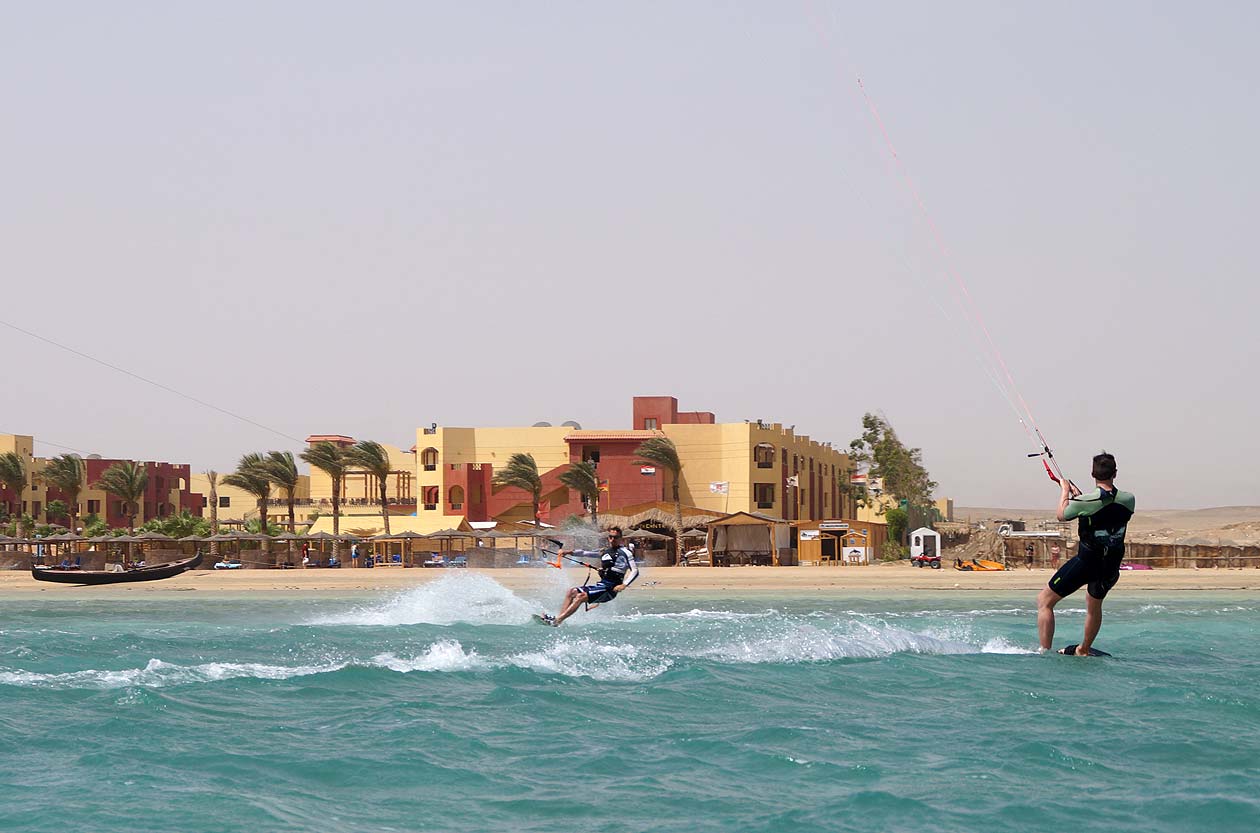
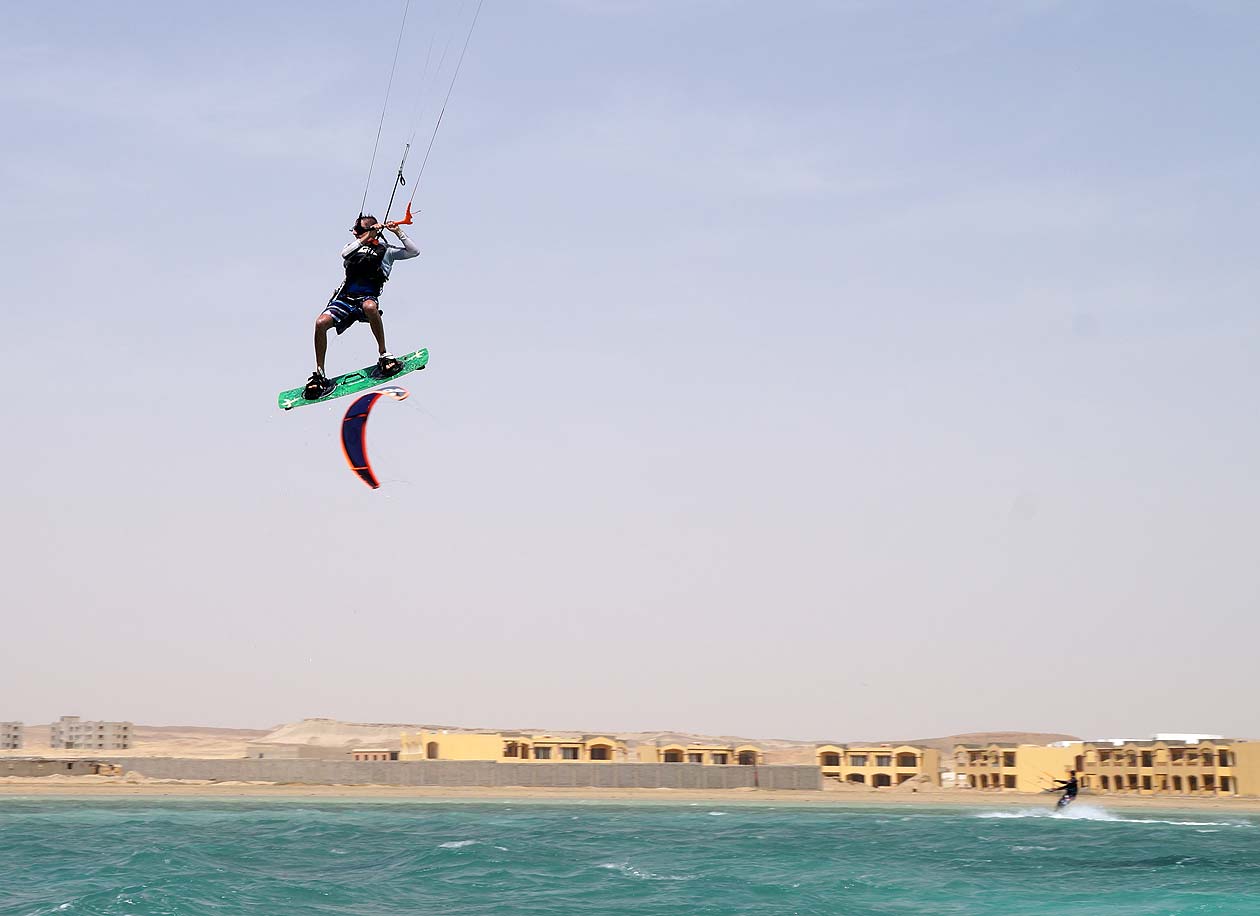
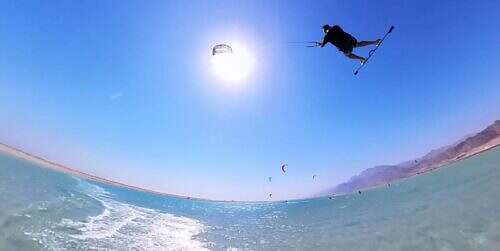
Marsa Alam welcomes us with the strongest three days of wind of all my 15 years in Egypt. From early morning to late afternoon, the wind blows at 18 to 32 knots over turquoise-blue water. I’m on the water longer in three days than I was in half a month in South Africa. We kite until the doctor comes. In Florian’s case, literally.
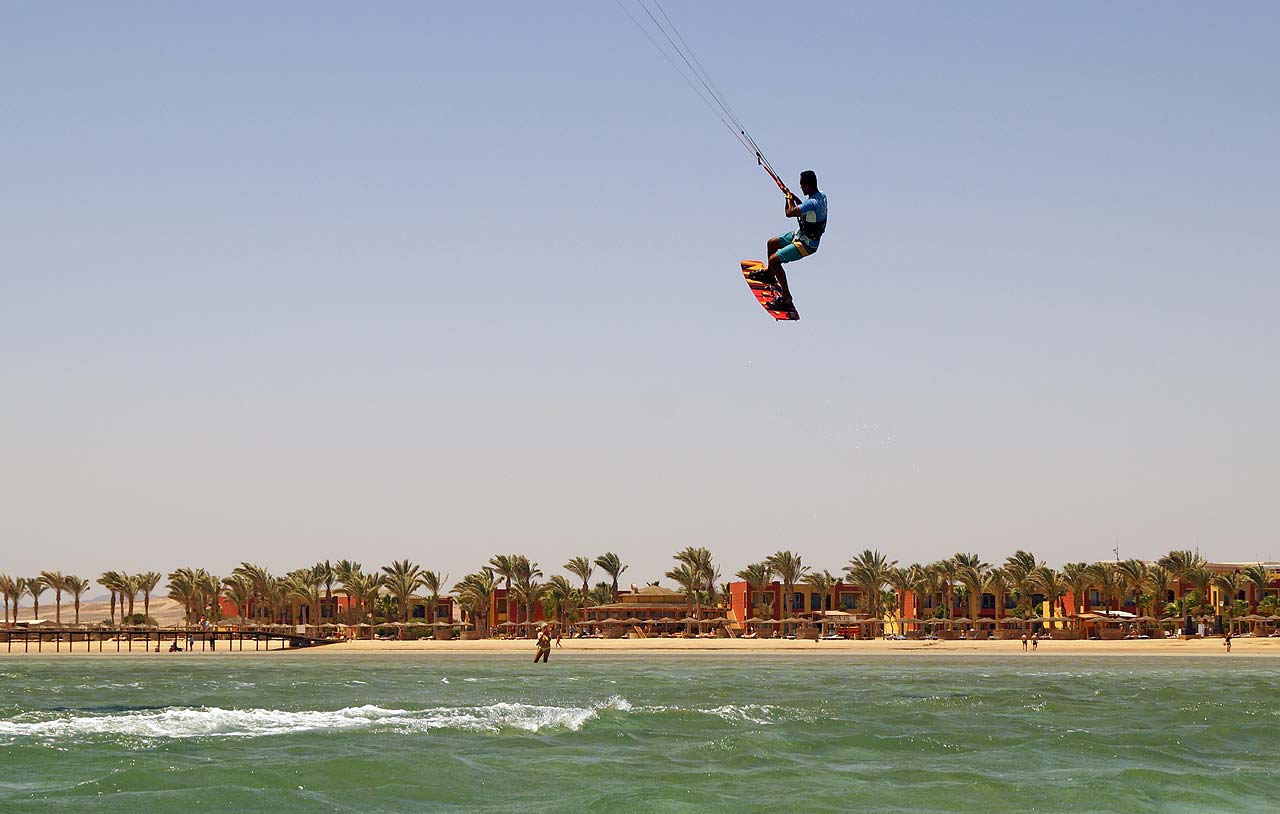
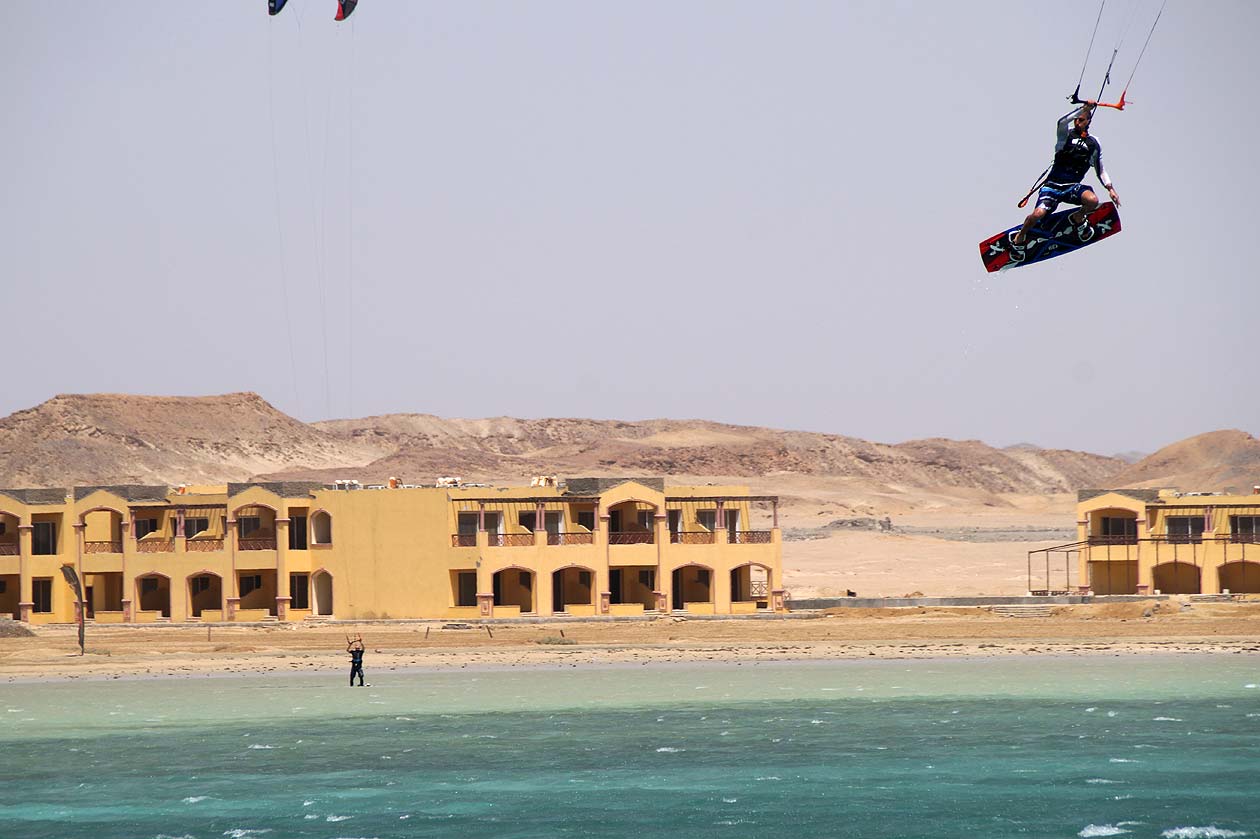
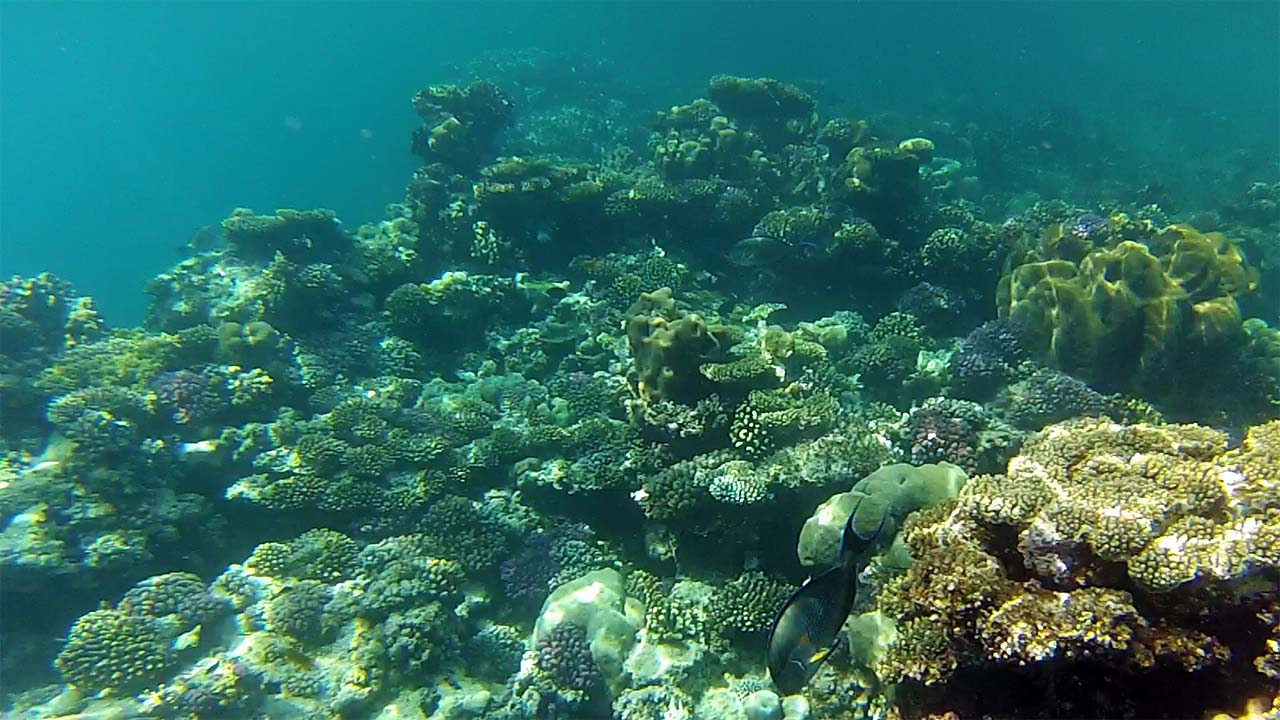
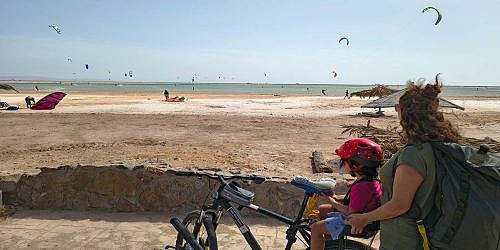
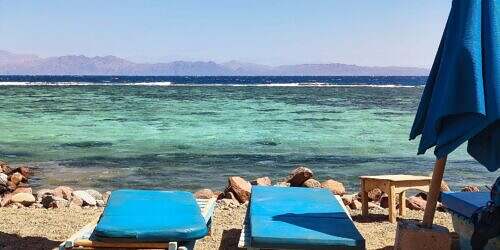
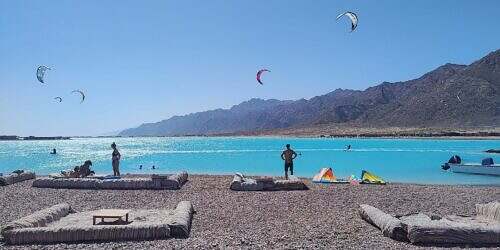
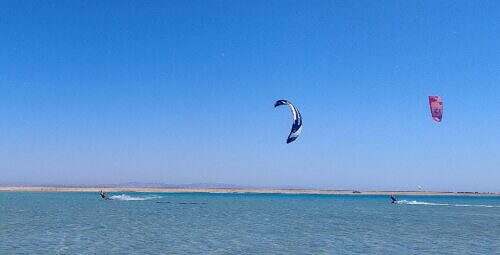
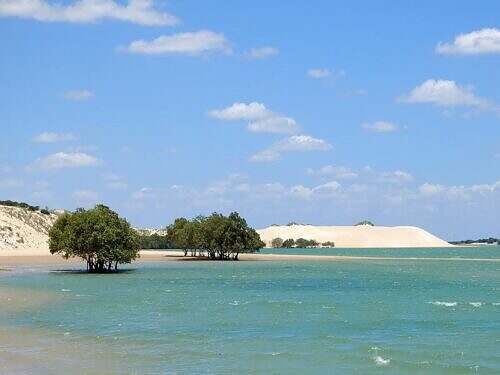
At low tide – which is quite independent of the moon phases here – there are just 200 by 400 metres of safe kiting between 50 metres of water only 10 cm deep on the beach and another 150 metres of sandbank in front of the fringing reef. With 20 riders, the spot is tight. At very low tide, Flo swerves too far out of the way of a beginner over the “sand” bank, which is covered in stones, and crashes.
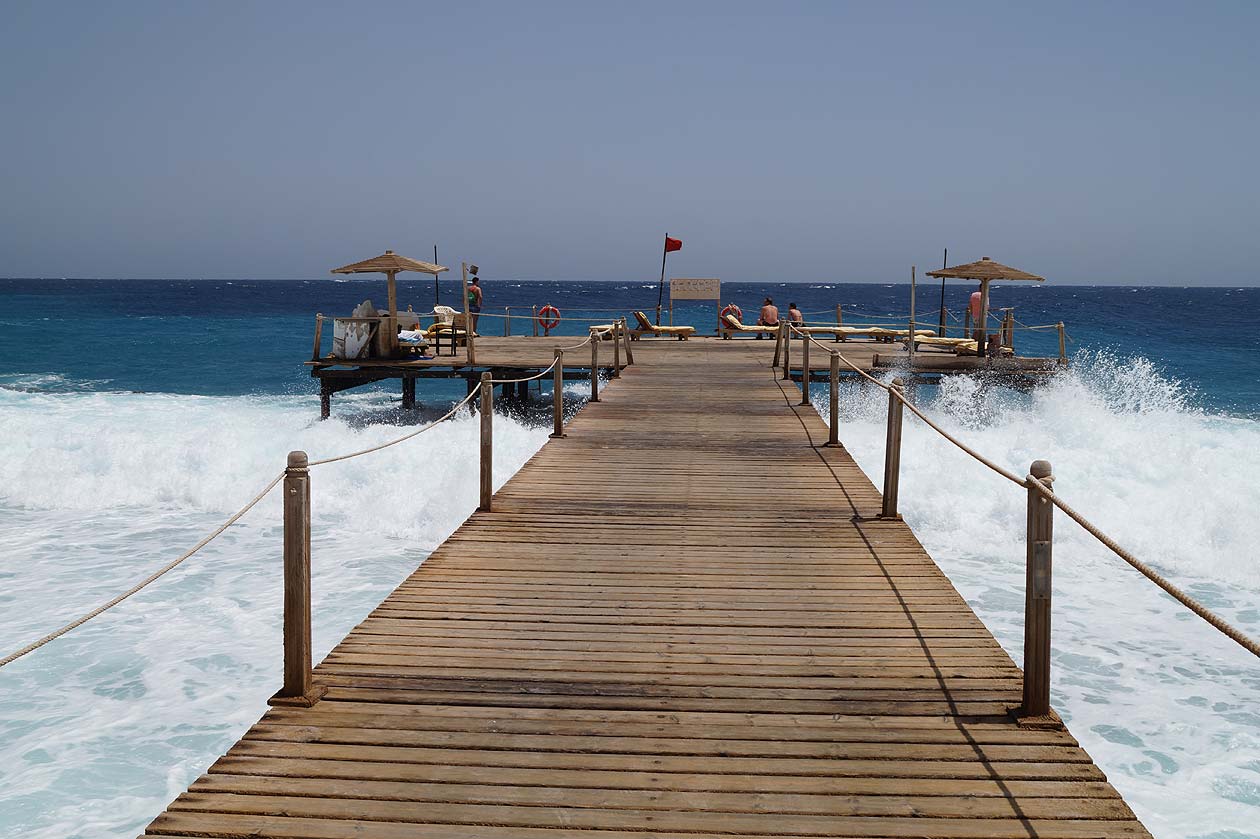
The result is deep cuts in his hand, several more abrasions all over his body, a bruised heel and a hefty doctor’s bill. At low tide, the spot in front of Magic Tulip Beach is practically non-existent. It is only reasonably safe and large at high tide. At all other tides, every spot I know of in Hurghada offers more space and safety. The kite centre managers also help injured people here – elsewhere they just save themselves the “… and then they say our spot isn’t safe.” It only is at high tide.
The rest is like Egypt has been for what feels like thousands of years. The Russians love it. It’s like home. Everything is broken, loveless and cheap. Even the omnipresent marble in every toilet doesn’t change that. Sometimes it’s an unusual 37° for this time of year and a whopping 75% humidity. Our air conditioning still doesn’t work after five complaints and two repairs. After the second time it works, but we fail to teach it that there are at least two other climate zones between Siberia and Syria. After ten days we get a new room.
Some things are inexplicable and exorbitantly expensive. Diving and all tours cost two to four times as much as in Hurghada due to a lack of competition here in the middle between nowhere and nothing. Hunting dolphins is forbidden anyway. I limit myself to studying crab-red manatees rolling around in the grass for yoga at two o’clock in the afternoon, obviously not the first cocktail of the day. Drinking is important when it’s up to 35 degrees. Manicures, quad biking, massages and numerous other things are offered every five minutes by the pool. A simple “no thank you” is never accepted. All other employees apart from the pushers are super friendly and courteous.
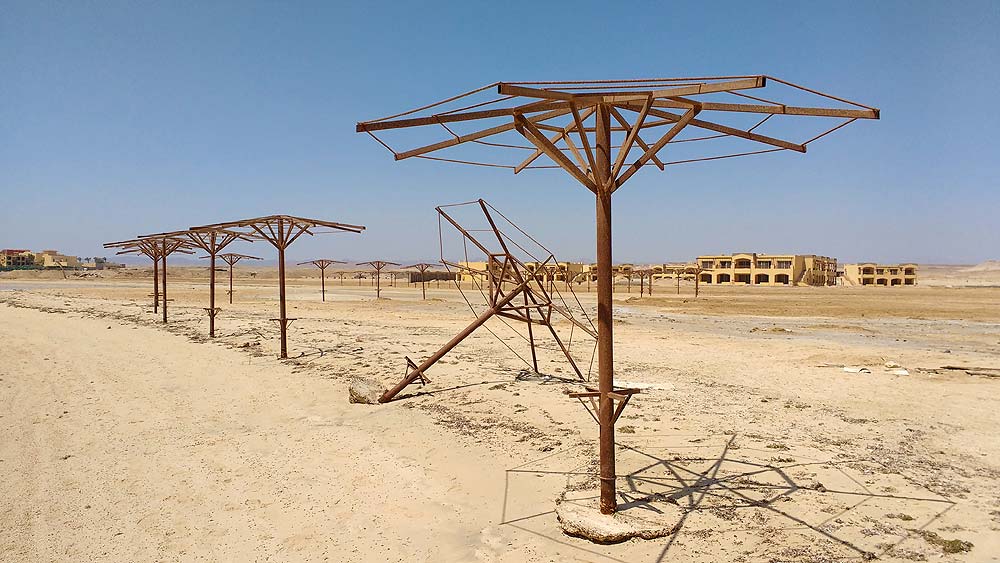
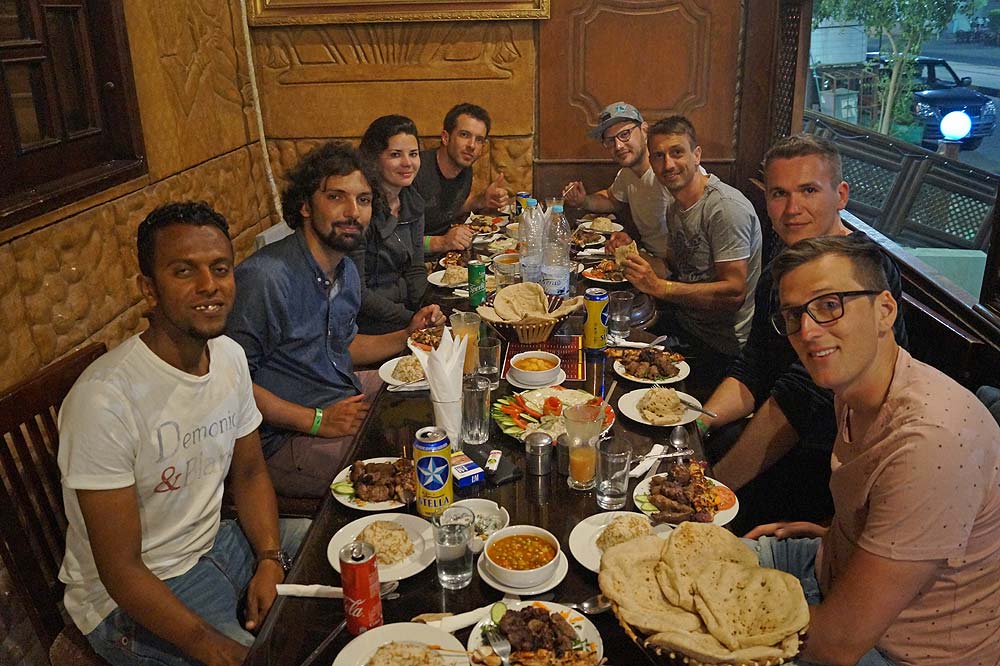
The nearest village is Marsa Alam, 50 kilometres away, with a population of 7,000. We get the best food in a fortnight here: Egyptian, simple and good. On the drive through the middle of nowhere, sparsely inhabited or never-completed hotel complexes beat out a strange rhythm every few kilometres. Tanker lorries full of desalinated seawater supply the unquenchable thirst of their luxury occupants. No power lines obscure the starry sky. All the resorts in the middle of nowhere are powered by their own diesel generators.
During the following nine days of calm, my communication with other luxury internees outside of our good Austrian-Bavarian kite group is limited to a quietly whispered “But with cream, please” to the person in front of me in the queue at the buffet, overheard thanks to the soundproofing effect of three pieces of cream cake. Food is important.
All the paths in the resort wind their way between the hotspots of all-inclusive life in a maximally artistic and minimally purposeful way. Apparently, inmates regularly starve to death on these paths because meals are only served three times a day – at least that’s what the crockery in front of the individual cell blocks suggests. As all the blocks in Disneyland look the same, the crockery towers are essential landmarks. Without them, I’m constantly trying to unlock the wrong doors.
Egypt has a varied and excellent cuisine. Unfortunately, there is practically none of it in our luxury store. Every German discounter offers twice the selection of basic ingredients. Maximum combination mania and really beautiful decoration cannot hide the fact that everything tastes uninspired and the same. The signs “Italian Night”, “French Night” or the full broadside in the “International Night” do nothing to change this. I’d rather enjoy real, simple Egyptian cuisine every night than other pseudo-inspired rubbish every night – but unfortunately I don’t agree with the definition of luxury of the other remnants of the gene pool present.
The solo entertainer with his outstanding repertoire of the most schmaltzy 30 songs in music history lives up to his name. By the third programme repetition on the fourth day at the latest, only one person is still clapping. From ten o’clock onwards, the drunken horde of overweight people in their mid-fifties pounce on the now converted DJ with their music requests. Now he is entertained alone.
On the sixth day of the doldrums, frustration slowly spreads through our group of kiters. At least two kiters have caught the doldrums perfectly. 130 € board bag, 30 € for 20 km board bag in the bus plus 55 € to the kite station add up to more than nothing for seven days of calm in the middle of nowhere. “At least I’ve had three good days, it’s not too bad,” I think to myself while playing beach volleyball, when I hit the ground stupidly and break with a loud crack. In the evening I limp to the drinking trough. The next morning, nothing works.
The only hospital with an X-ray is in Port Ghalib, 15 kilometres away. They charge an astronomical 520 euros for a ten-minute examination, one X-ray and ten minutes making a superfluous plaster splint. I make a nice loud scene in front of other rip-off victims in the reception hall and effectively tear the plaster splint off my leg. The reward is a 200 euro discount. Suddenly the head receptionist at the Magic Tulip hospital is standing in front of me. I point out to him that his bakshish is ready for collection at reception. He certainly needs it with his salary, which is probably well above the average Egyptian income of €250. There are also bad doctors in Hurghada. If you come across one – and hopefully have enquired about the costs beforehand – you have a free choice of 100 other doctors who charge correctly. In Marsa Alam you have no choice.
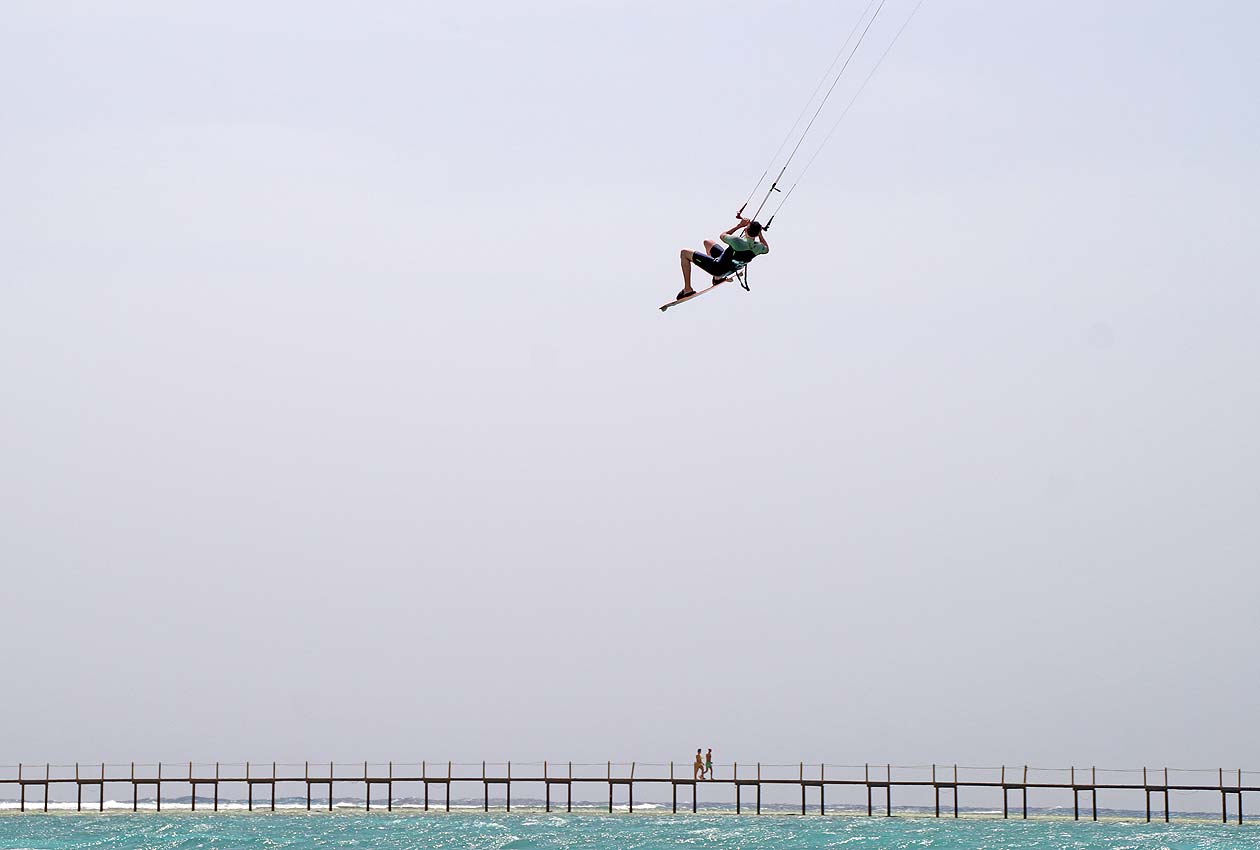
The wind comes back in the last three days. Flo is practically non-stop on the water and skips lunch. After three hours of farewell kiting, I’m usually well served with my beloved Maori 13 in 15 to 22 knots. On the penultimate day, my centreline breaks during a jump – fortunately with no consequences other than the realisation that there are no suitable spare parts here.
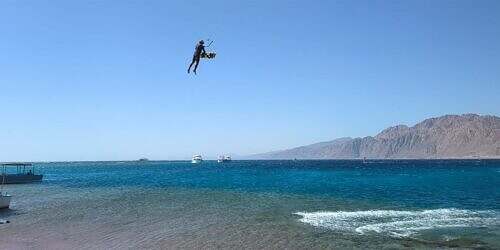
Kiting in the warmth with good new friends was wonderful again, even though the spot off Magic Tulip Beach in Marsa Alam fell far short of expectations. A good 16 hours on the water is enough for now – Flo probably had twice as many with six windy days in a fortnight. What remains for me is the realisation that my first all-inclusive holiday in 25 years was unfortunately just as I remembered it: excess, overweight, blindness and wastefulness wherever you look. Of course, many people want to go on holiday like this. I can only listen to Sepultura by the pool.
For me, the best thing here was catching up on what felt like a year’s sleep, at least ten hours a day. I will be travelling again, with little luggage and without luxury, along difficult and surprising paths, far away from sad people without stories. I will call things by their true name with open eyes. Patagonia, here I come…


 Frank Woelky, born in 1973. Kitesurfer since 1998. Since 2006, I have been combining kitesurfing and web design on trips lasting several months off the beaten track.