

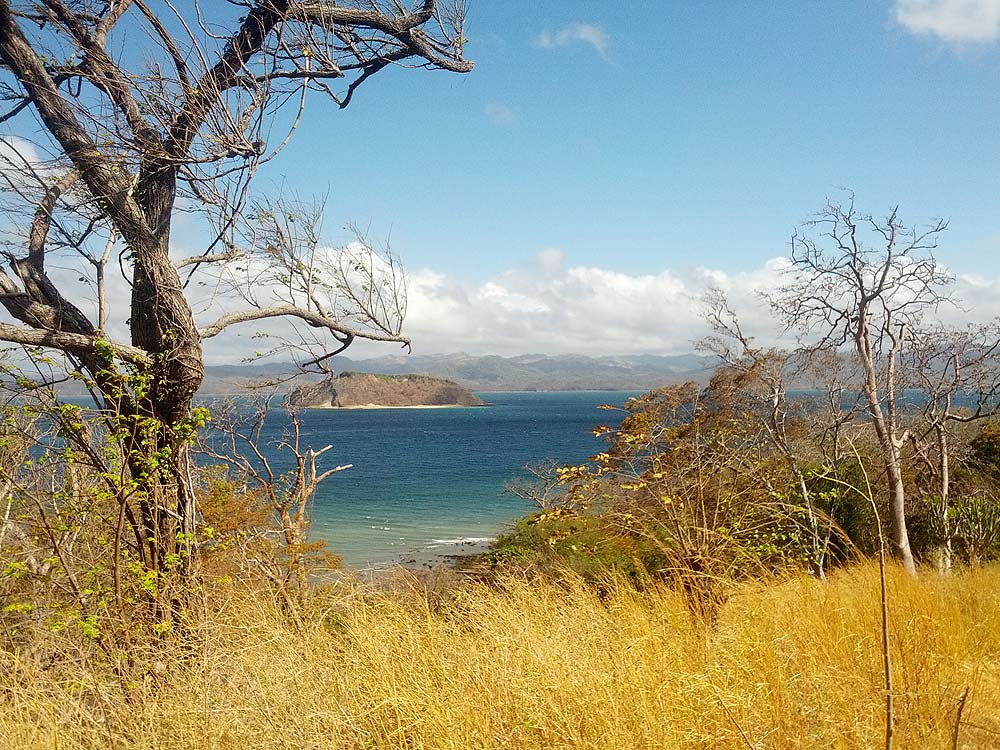
I open the car door a crack. The wind immediately snatches it out of my hand. When an old bony tree dies in the dry steppe here, it simply collapses in the strong wind. Our beach house is 300 metres from the spot and has room for eight people. As the only guests, we decadently treat ourselves to separate bedrooms after three weeks of travelling together.
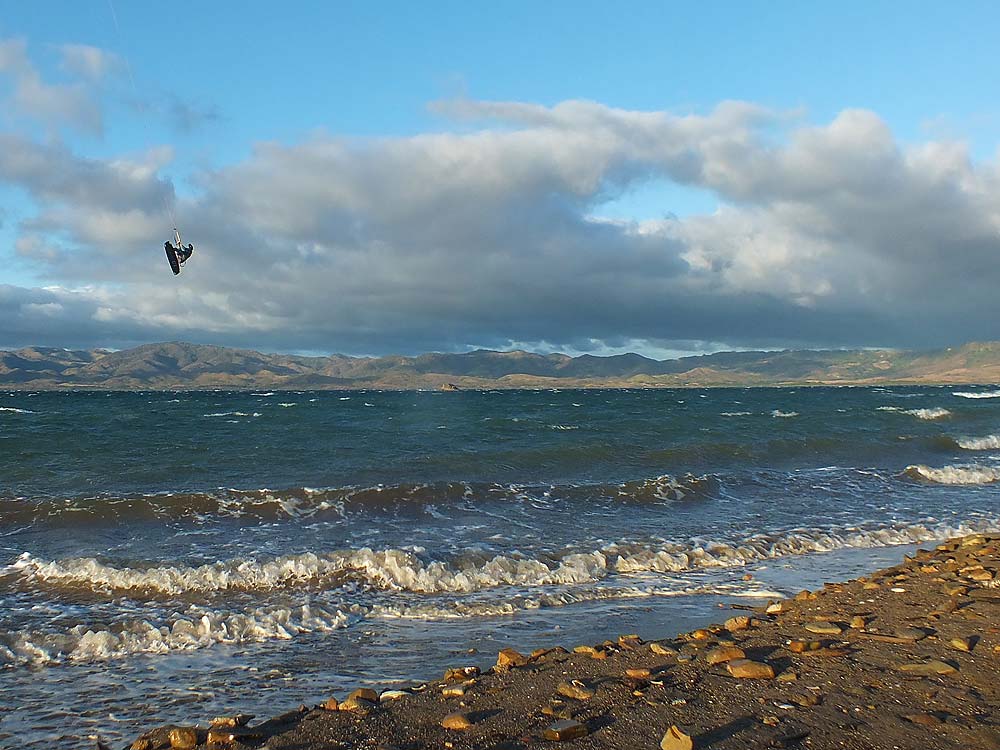
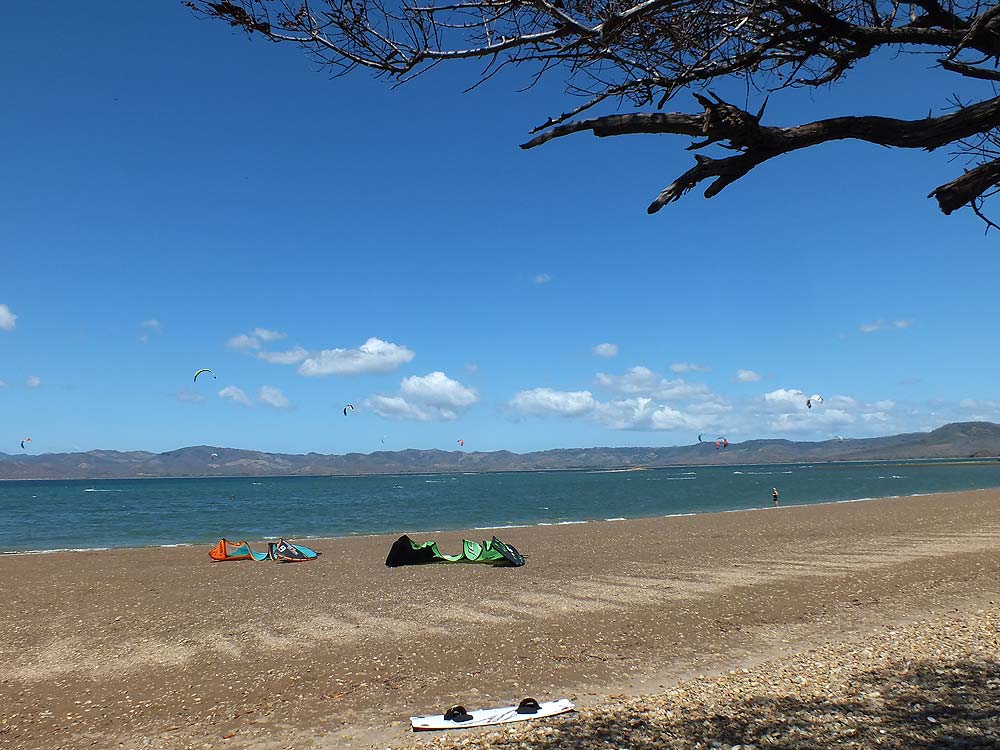
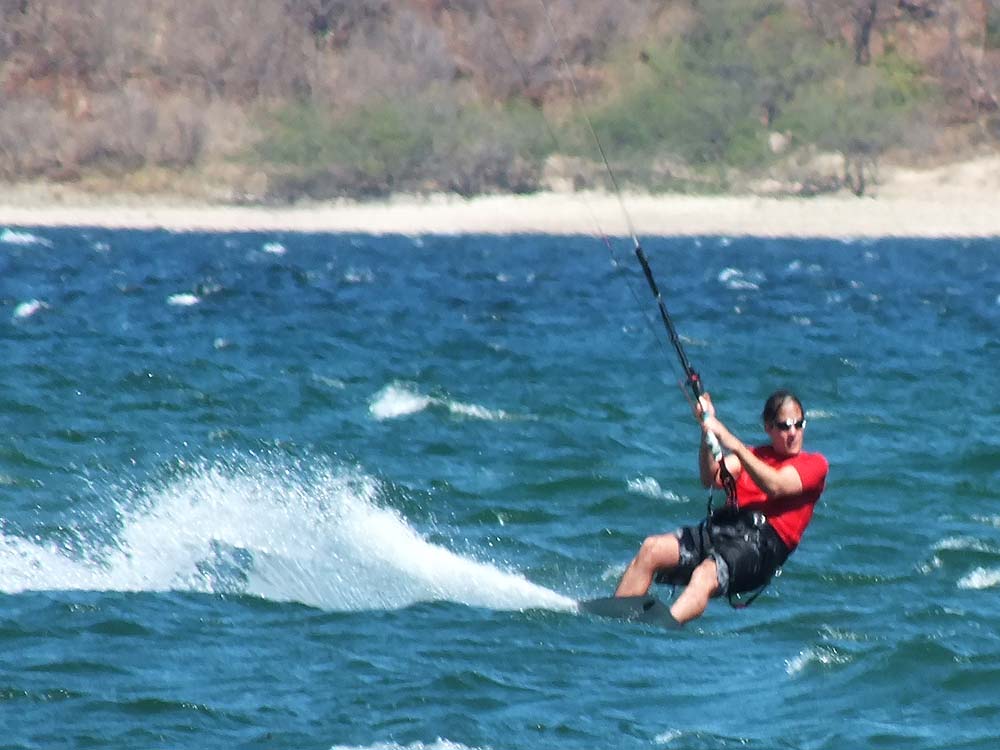
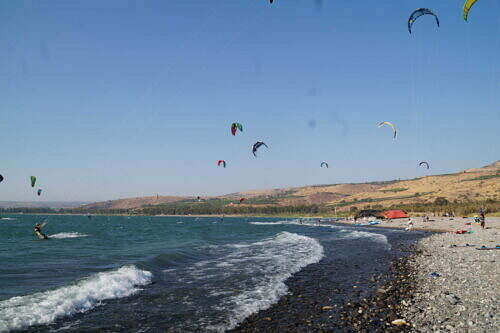
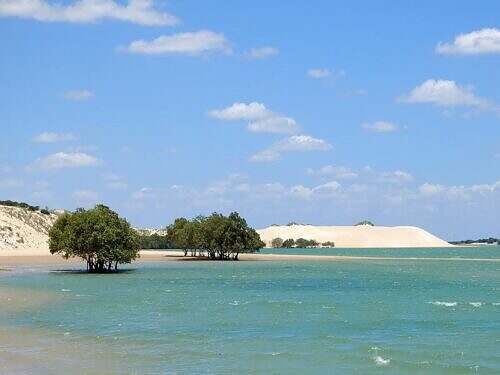
The wind in Bahia Salinas is the strongest I have experienced in 16 years of kitesurfing. It never actually blows at less than 20 knots – with gusts of often over 50%. At high tide, the beach is completely gone and there is only a small dusty spot to launch from.
At low tide, quite sharp pebbles and shells come out. In the mud behind, some kiters play SM with stingrays.
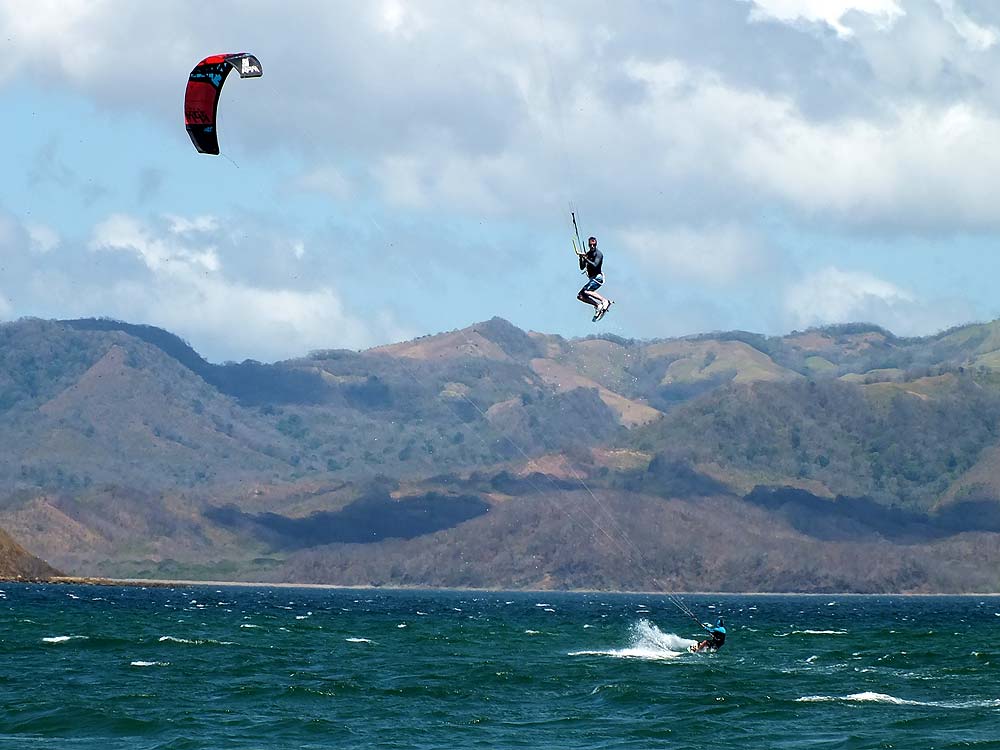
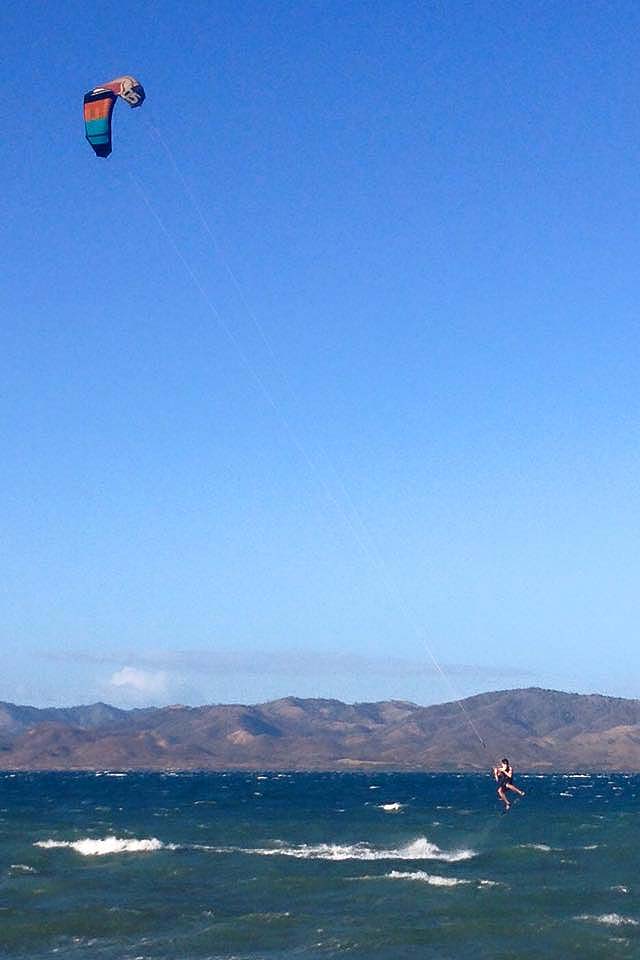
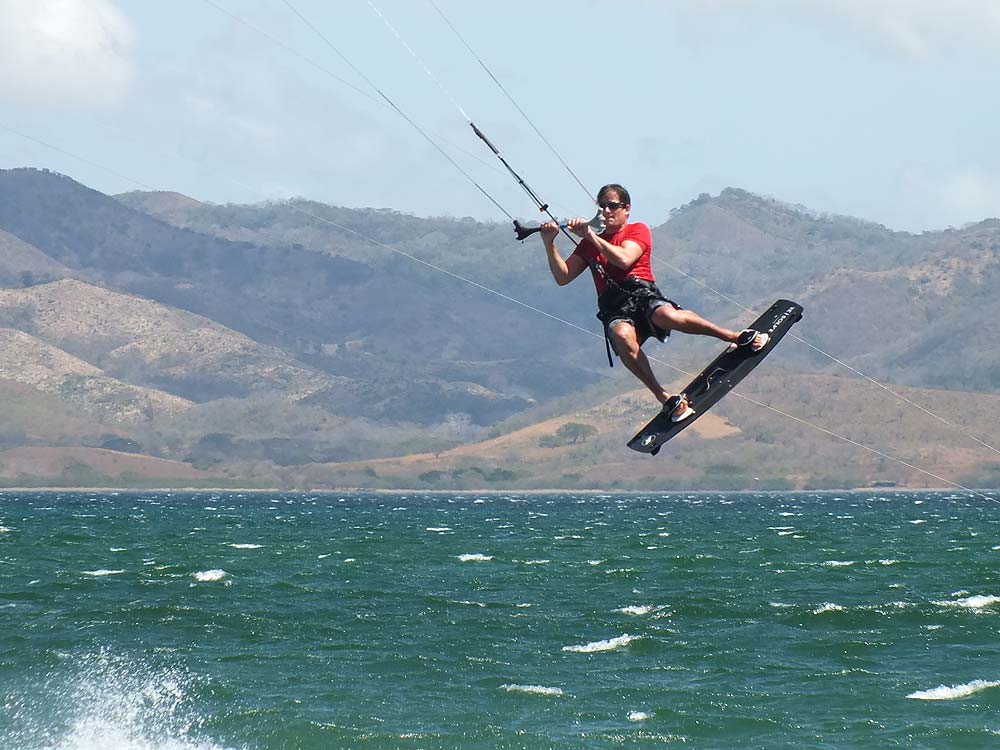
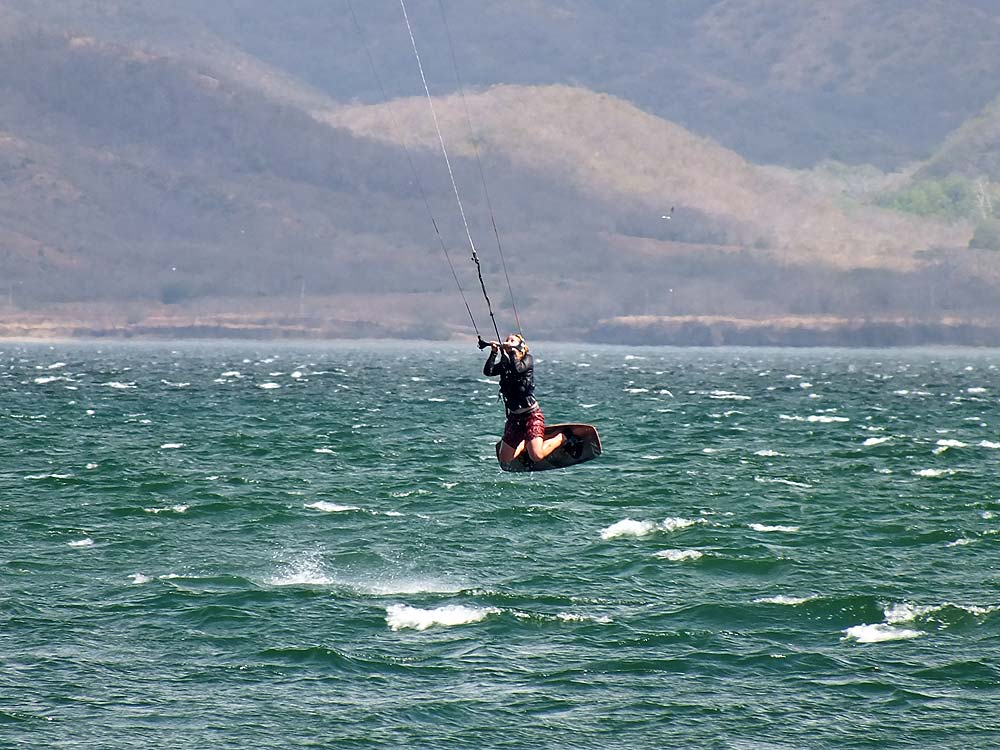
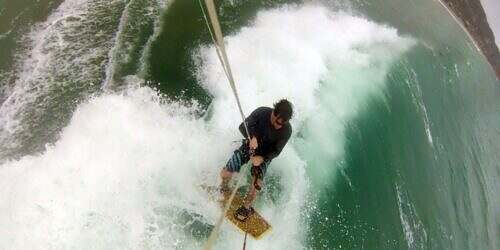
We spend the first day waiting for less wind. Our smallest kites are too big. The wind only dies down to 28 knots in the late afternoon. The gusts go up to 37. I’m flying the nine pretty much at the limit. Every wave, no matter how small, and every oh-so-small pull on the bar hurls you to the second floor. A local aggro never jumps anything under seven metres – on an equally big kite. One second your bum is kissing the water in a wind hole. The next gust teaches you how to be Superman.
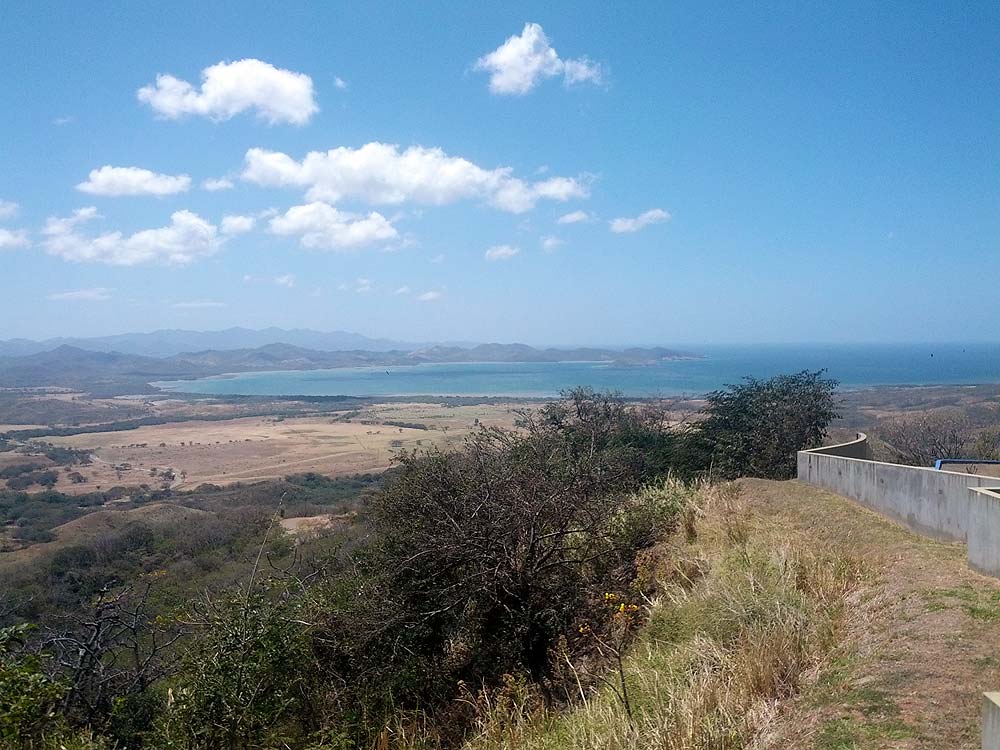
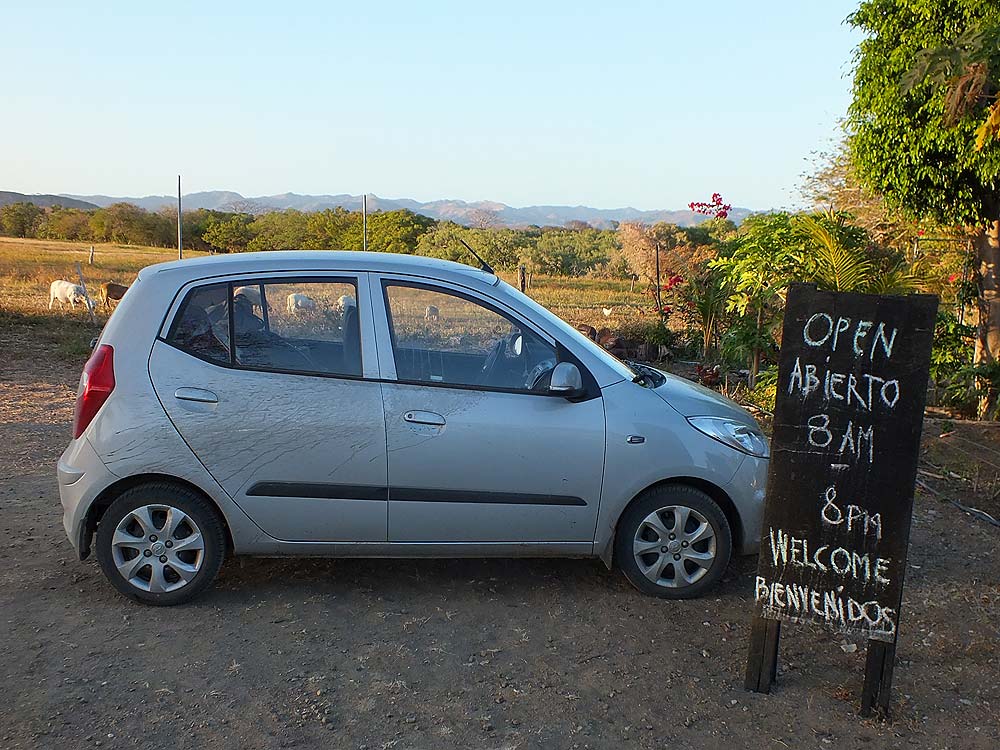
In the evening, the KiteHouse crew organises a barbecue in the panoramic restaurant on the hill overlooking the bay. With more than three pairs of trousers at last, I’m in a party mood. At closing time, we move the party with good kiters from all over the world to our beach house. The night is short. When we set off the next morning, neither of us realise that the rear car door is open. I reverse through the gate and almost tear the door out of our car. With a hangover, you should generally only drive forwards.
The wind is blowing even harder than on the first day. We drive the 20 kilometres of gravel road back to the last village and buy some modest food for the next few days. “Modest” in Costa Rican means “only $100 for almost nothing”. In Germany, “almost nothing” would have cost half as much at most. Costa Rica keeps on killing me.
In the afternoon, the wind is still flinging the doors of our beach house open and closed. The bony, leafless trees bend and creak. Melli buys herself a fiver of Liquid Force Envy, then we drive to the beach. I’m usually pretty good at estimating wind force. Today I fail. Please do the maths for me: I weigh 95kg. My board is 135 cm. I was fully depowered on the lowest knot with the five-man, cleanly underway and high in the air. How many knots is that?
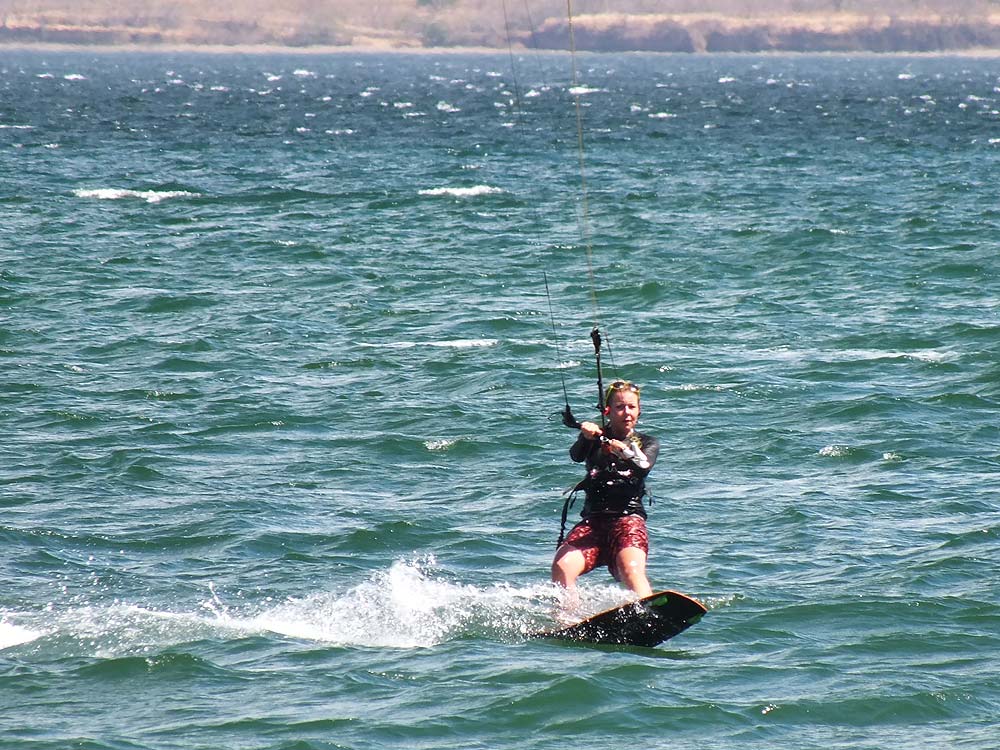
The wind drops slightly for a moment. I hold Melli at the start. After a fully steamed line, she loses her board 300 metres off the coast. The released kite still pulls her towards the beach until I catch it. After some time on the fiver, I find her board, blown far away by the wind. Bahia Salinas is just absolute madness.
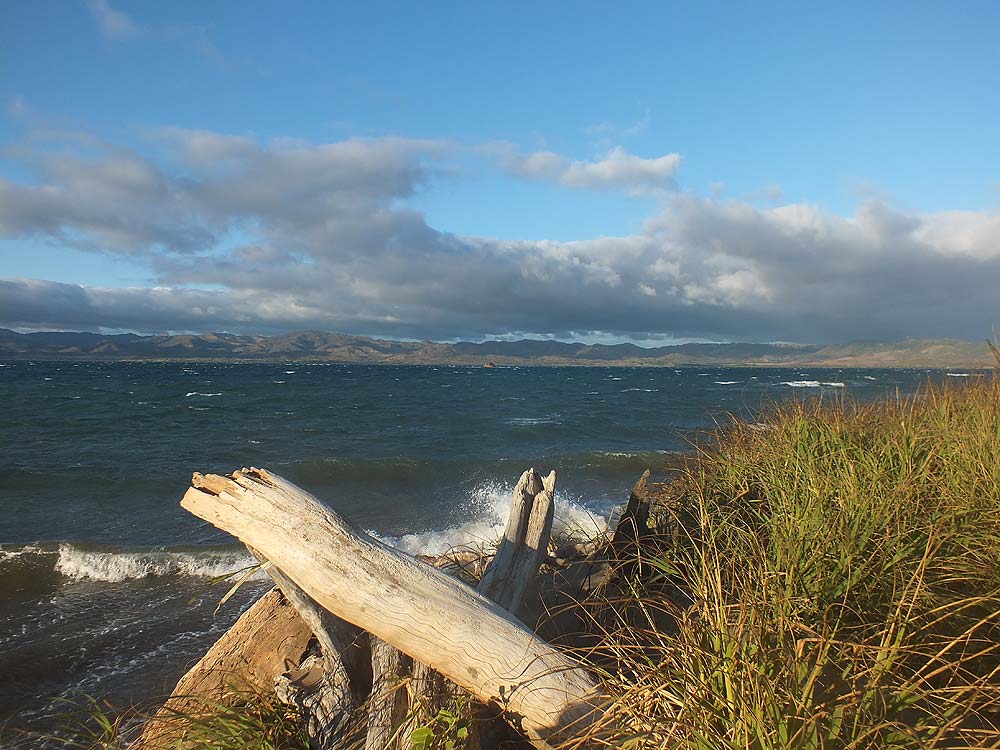
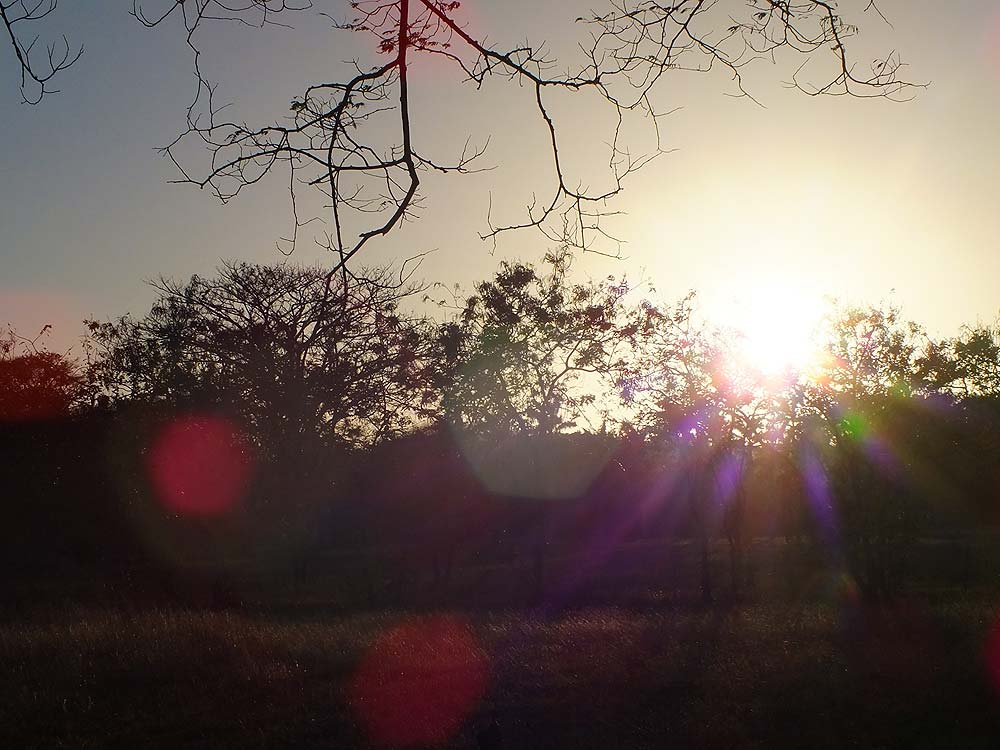
On the third day, rain, which is extremely rare for this time of year, calms things down a little. The wind drops to 18 to 30 knots and dies completely in the evening. In between, it falls asleep almost completely for minutes at a time. A Yank calls it “holey”. It has nothing to do with religion. The next morning it’s almost back to its usual 20 to 30 knots, in the afternoon up to 35 with gusts well above that. The bay of Bahia Salinas glows gold and red in the sunset. The panorama is just as beautiful as the wind conditions are challenging.
It’s only on the last day that the wind finally breaks at a reasonably constant 18 to 28 knots – the sweet spot for nine. The jumps are approaching my never-beaten seven-metre limit. The impacts become violent. We don’t feel much of it, we have a heavy hangover from the long and bloody birthday party of a Canadian the day before. We make our peace with Bahia Salinas all morning. It’s time to move on.

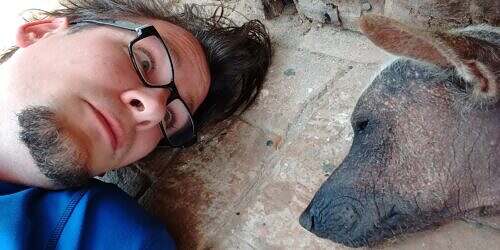
 Frank Woelky, born in 1973. Kitesurfer since 1998. Since 2006, I have been combining kitesurfing and web design on trips lasting several months off the beaten track.