

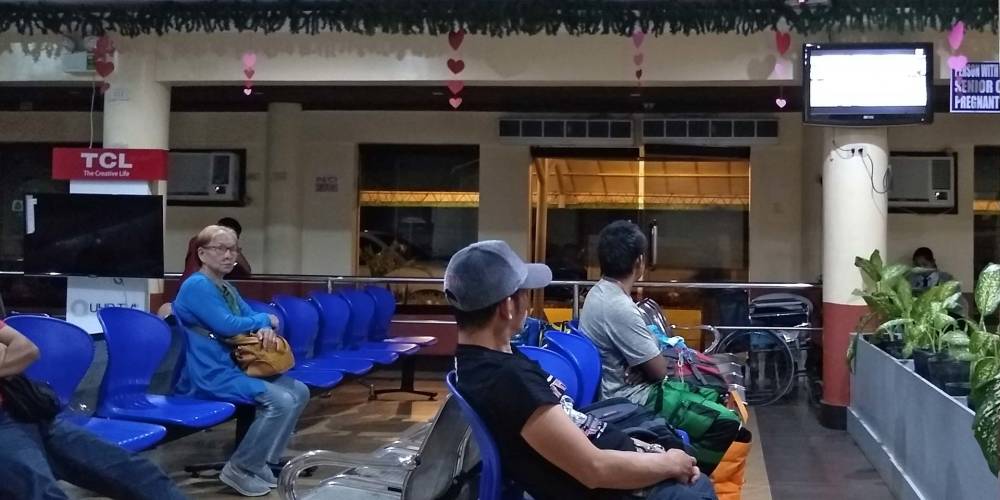
Early in the morning, Phlippinos sit mesmerised in the waiting room of the ferry to Batangas in front of the bloody news on TV. Here, only good people have coloured faces. The faces of the violent criminals are discoloured. It looks like one of those black and white art photographs from the early nineties with a single coloured element – only reversed.
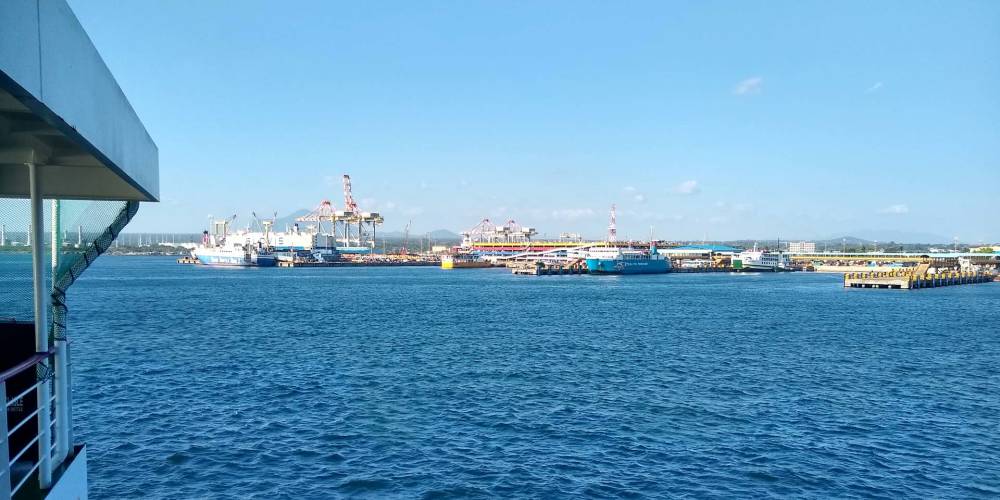
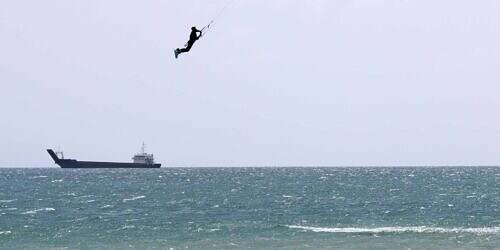
The bloodier the news, the calmer the Filipinos become. You can literally feel their pulse. Every pool of blood brings minus ten BPM. Pre-school children giggle enthusiastically to the most brutal zombie butchers from comfortable bunks on the eleven-hour Starlines ferry. For two days, I am travelling by boat, bus, minivan and trike to the strongest wind area in Asia at the remote northern tip of the Philippines.
A sign on the wall behind me reads “No fixing”. I can’t say how big the drug problem really is in the Philippines. It is estimated that around 2% of all Filipinos use meth at least occasionally. I suspect that the berserker among drugs causes at least “a little bit” more problems than others, at the latest since a meth head blew a friend’s stove at least partially through the ceiling thanks to plenty of petrol to fuel it.
Philippine President Duterte is waging a bloody war on drugs. In the three years he has been in office, at least 8,000 people have died in police operations, many in more than questionable circumstances. Duterte has encouraged police and citizens to kill drug addicts. Election posters show local politicians with Duterte’s fist outstretched. In a number of cities, smoking is completely banned with heavy penalties. But it’s probably not about drugs at all. Duterte simply wants his subjects to be able to sleep peacefully in front of bloody news.
The violent appetiser is followed by three quarters of an hour of resistance-boosting coverage of the anti-drug war on “TV patrol”. Meth always comes first, then cocaine and finally weed. The suspects are dragged in front of the camera and interviewed, giving their full name and place of residence. As a skilful transition to the cosy part of the evening, sex crimes and child abuse satisfy the general need for sensationalism.
Now the game shows follow. You can feel the hollowness in the heads of the four pretty fashionistas hosting the show even without speaking a word of Tagalog. A slight echo penetrates through artificially grinning lips. Four teams compete in the “balloon-with-the-back-bursting” race. Advertising. 24-hour scented detergent. 24-hour disinfectant shower gel. Baby follow-on milk promises faster growth in just eight weeks. San Miguel Gin advert. Back to the game show. The winners receive prize bags from “Liveraide”. Filipinos drink more gin than any other nation in the world.
In the Philippines, you need a little more time for everything. This is especially true for food. I love the little cookshops. As long as there are a few locals sitting around, you can be sure that you won’t catch anything – no matter what the kitchen looks like. The food is usually cold – but good and very quick. As soon as a restaurant comes across as more “western” this changes drastically. I had my worst infection in a pizzeria in Cambodia. Everything looked super clean. I ended up in hospital for three days.
In the Philippines, you can recognise a “good” restaurant mainly by the speed of the service. The slower it is, the better the restaurant. “Waiter” is not an English word. It comes from the Filipino “wait”. All five waiters are playing Candy Crush. I wait half an hour for the menu. The simpler the dish I order, the longer it takes. When it arrives. After the third reminder. Or the fifth. Then it’s time to pay. A good waitress never does the maths in her head, always with a calculator, even at 100 50: get the calculator first. Shit, battery flat. Search. Change. Type slowly. Invoice number. Tax. Oops, carbon paper missing. Search. Again. Write slowly. Oh, no change. Ask other guests. Calculator again. 5 x 100 = 500.
I’m having a great time. Only sometimes I die of thirst. Others grumble. Young Filipinos in particular usually have a very high level of education, speak excellent English and are super bright. But they never become “waiters”. In the Philippines, you’re only allowed to do that if you can demonstrably move as slowly as a chameleon – and either have a pronounced dyscalculia or, better still, a doctor’s certificate of impending Alzheimer’s disease.
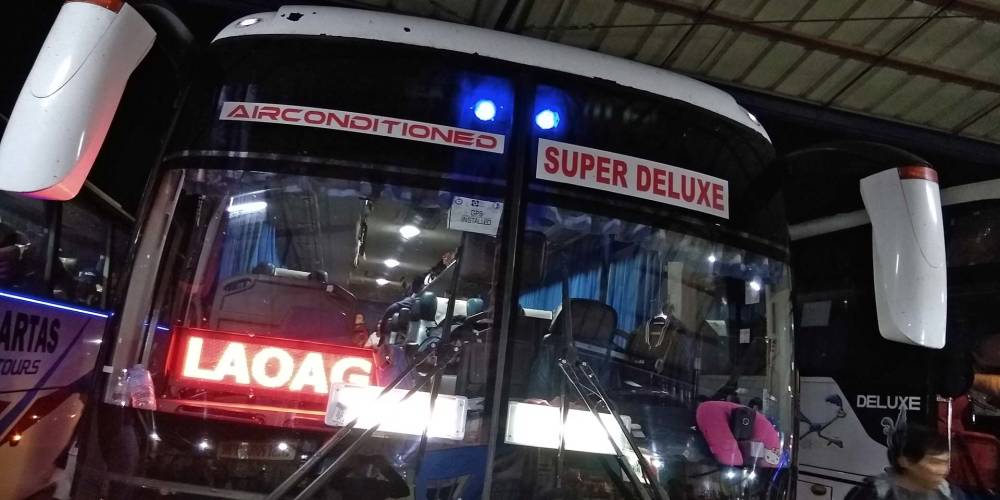
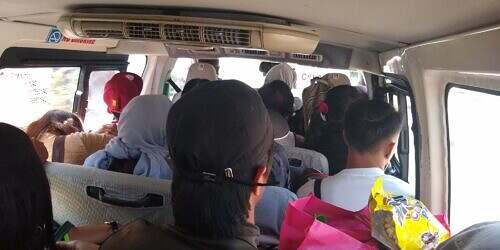
Night bus Manila – Pagudpud. The dreamboat buses of Peru have obviously made me very soft. With a seat angle of 160°, my body now only dreams of sleeping all night with my head sticking out 30 cm above the backrest. The “Super Deluxe” on the windscreen only refers to two things: air conditioning at 14°C and a working speed warning system. It beeps all night. I give the scenes flying past in the dark behind the relaxed driver whistling “3 Doors Down / Kryptonite” the rating “exciting”. Mass always has right of way above 120 km/h.
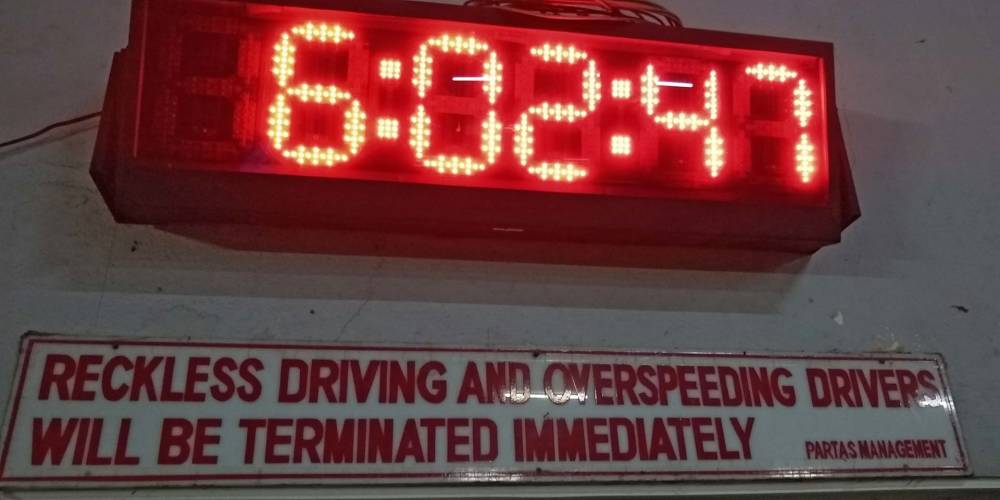
Denunciation notices are posted all over the Philippines. Drug dealers? Report them! Suspicious behaviour? Report it! Speeding drivers? Terminate them! Just like the omnipresent hand-painted environmental protection signs in front of mountains of superfluous plastic waste, they promise a better world. The best thing about this? You don’t have to do anything except believe and have your brain washed clean. Preferably with 24-hour disinfectant soap.
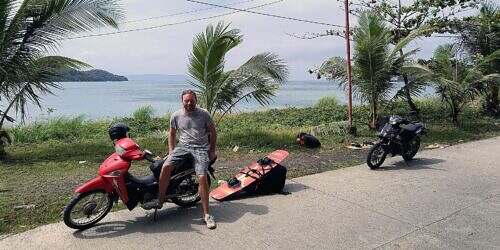
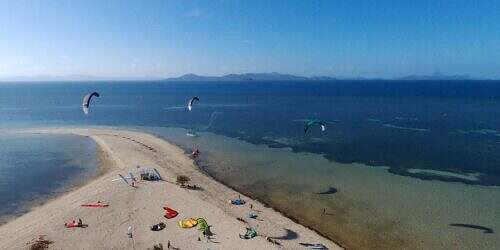
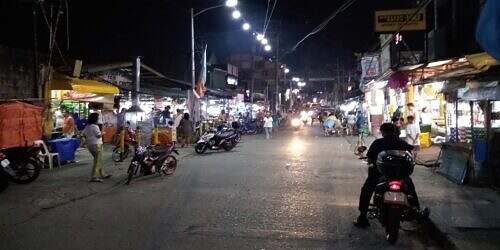
I arrive in Pagudpud in the early morning after a total of 48 hours on the road / sea. In two days I’ve travelled two thirds of the length of the Philippines and am now closer to Hong Kong than to my last kitespot, Lakawon…







 Frank Woelky, born in 1973. Kitesurfer since 1998. Since 2006, I have been combining kitesurfing and web design on trips lasting several months off the beaten track.