

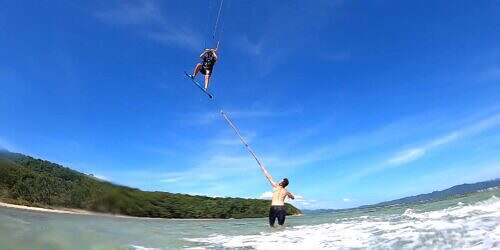
As a passionate kitesurfer, I have been travelling off the beaten track for over 20 years. Of the almost 100 countries I have visited, none fascinated me more than the Philippines. On three trips over a total of seven months, I appreciated reliable winds, the most varied spot conditions, the friendliest and most sincere people in the world, magical islands as well as varied nature, good food – and the right amount of adventure. For Germans, however, the Philippines often takes some getting used to. Travelling in the Philippines is different. It is more unpredictable. You have to be flexible. I read a lot of questions from German kiters: what, where or how to get from A to B? The necessary information is often hard to find. Kitesurf travel guide Philippines – Kitesafari 10/2/23 to 12/3/23
I am your travel guide. The Grand Philippines Kite Odyssey IV – 10 February to 12 March 2023 I’ll take you to the best kitesurfing spots in the Philippines and help you plan your trip.
Kitesurf travel guide Philippines: General Info
I love kitesurfing. I love the Philippines. My dream is to take a few good people to magical kitesurfing spots. I take a maximum of 15 people on the trip. You book your own flights. You get on and off whenever you want. The minimum travelling time should be at least two, better three weeks. The journey to the kite spot takes a total of 30 to 48 hours from Europe.
Travelling in the Philippines also takes considerably longer than in Europe. But it is always an experience. From Manila, I will help you with travelling to the spot where our kite group is currently located. I will help you book all accommodation, excursions and transport. On site, you will receive instructions on the dangers and possibilities at each spot.
Kitesurf travel guide Philippines: The costs
What do I charge as your kitesurfing travel guide Philippines? Nothing. You only pay what you think it’s worth for my local guide. The guideline should be around €70 per person per week. My local tips will easily save you the same on accommodation, food, tours and transport. You will be travelling safely, comfortably and never alone.
In general, you can live very well in the Philippines in simple accommodation and away from expensive restaurants with €1,500 a month excluding travel. If you choose classy restaurants and more luxurious accommodation (only available at a few spots), the costs can double. In our kitesurf travel group, you pay the regular accommodation prices directly to the provider. There is neither a discount nor a surcharge.
Kitesurf travel guide Philippines: The kitesurfing spots
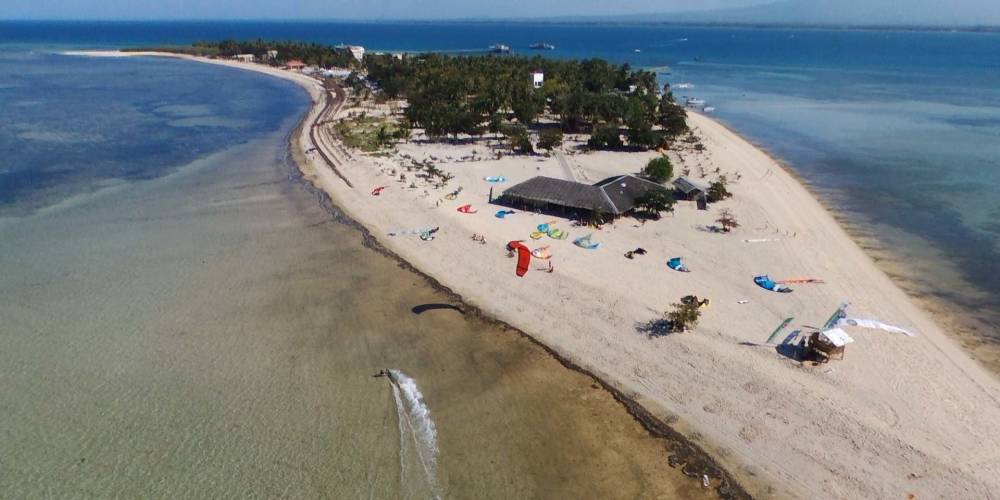
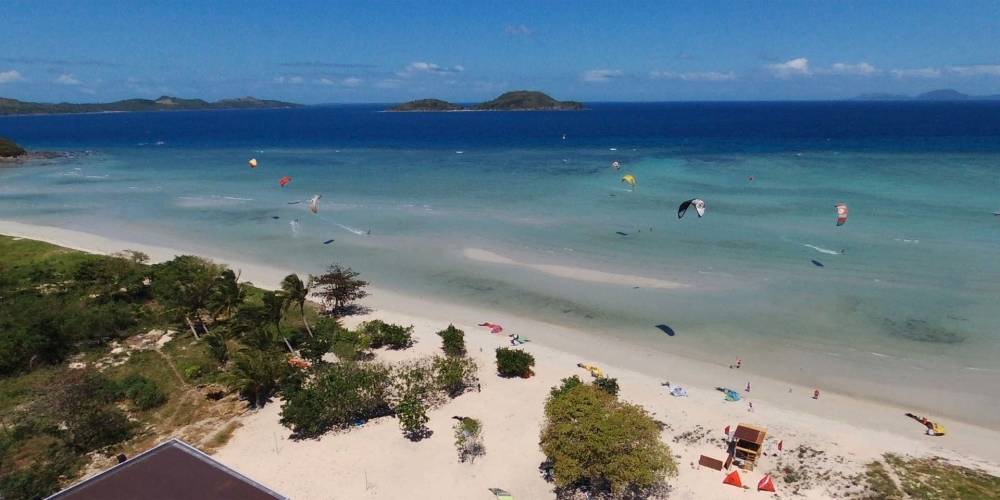
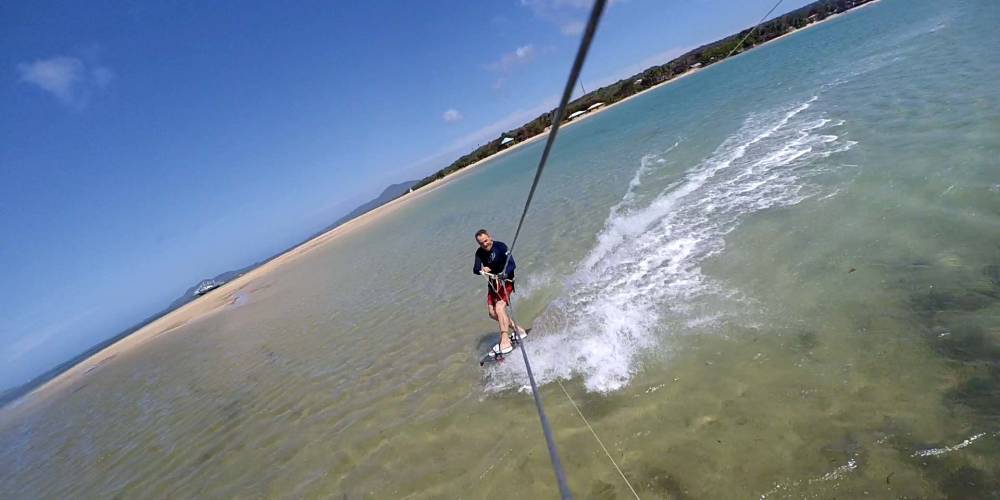
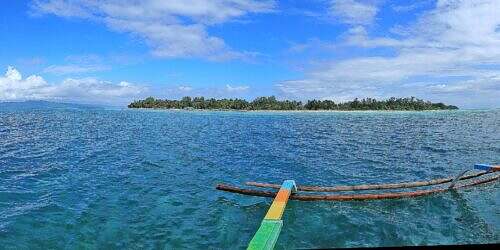
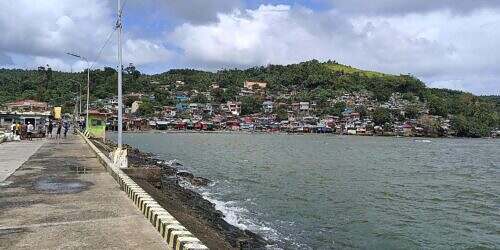
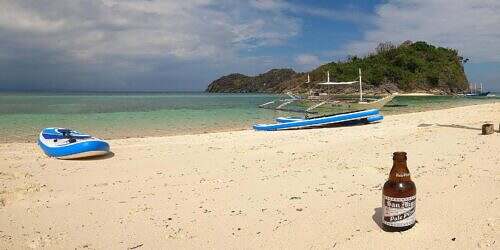
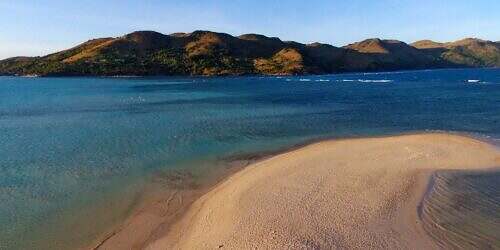
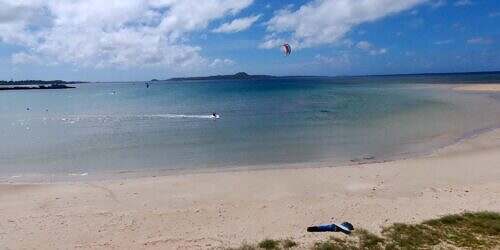
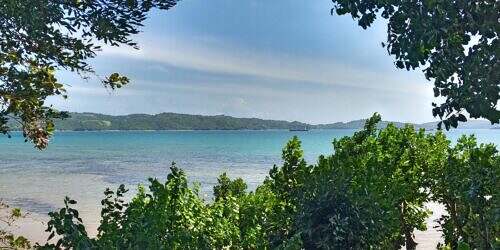
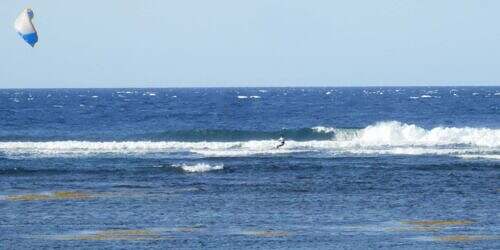
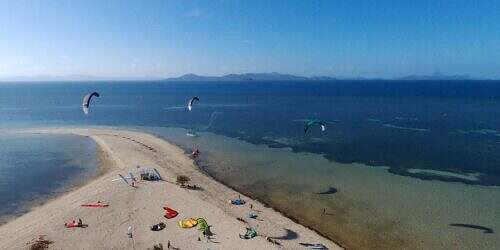
Within seven months in the Philippines, I travelled to around 30 kitespots, some of them several times. They range from the far north of Luzon to the central Visayas and down to the southern islands such as Siquior. Each kitespot offers different conditions. If there is no wind at one spot, there is always good wind at another.
The itinerary is not set in stone. We choose the windiest spots after consulting the latest wind forecasts. We decide together where to go. You will always receive the latest information about our travel plans directly here on the blog or in the Whatsapp group.
A small selection of the kitespots I have visited so far: Bislig Beach, Mindoro – Cuyo – Lakawon – Sicogon – Liwagao & Nagubat- Tablas Aglicay 2 / Odiongan – Carabao – El Nido – Pagudpud – Romblon – Malalison – Bulalacao 2 – Sibuyan – Boracay 2 3 4 5.
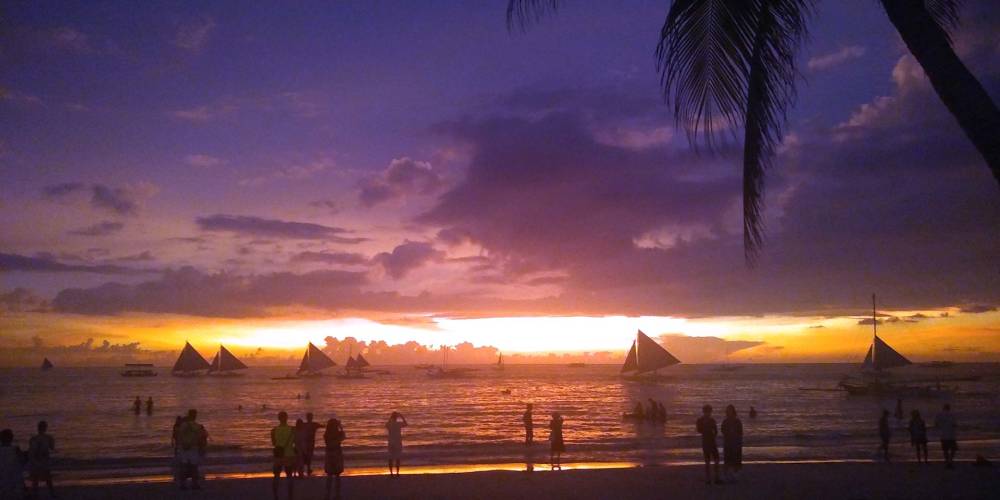
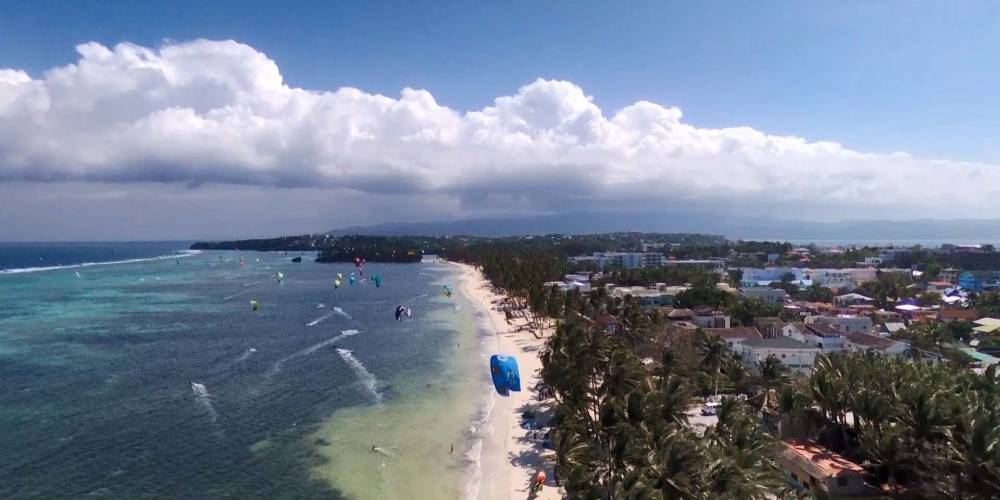
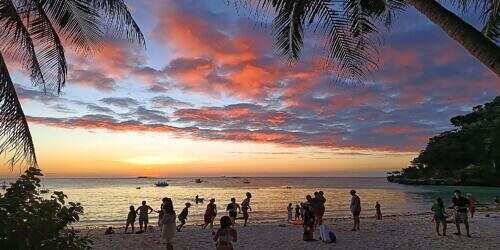
I personally think Boracay is absolutely overhyped, overcrowded and overpriced. I’m only listing it here as an option for a solo stopover on the way there or back to Manila, for example. You don’t need a kitesurfing travel guide on Boracay. I’d rather show you the really magical kitesurfing spots and the real Philippines. The places that not every package kitesurfer travels to.
Kitesurf travel guide Philippines: The wind
From December to March, the Amihan blows very reliably in the Philippines. Especially in our central Visayas travel area, you get a very high yield. On average, you can expect very laminar winds of between 15 and 25 knots on 50 to 70 per cent of all days. Lightweights get significantly more planing wind. On about 5 per cent of all days, the Amihan sometimes freshens up to 30 knots and more. Windless days are never lost. There is so much to discover: Waterfalls, mountains, markets, festivals, jungle, snorkelling, diving…
Strong wind areas such as Pagudpud in the north of Luzon regularly offer even stronger winds. If you want to ride them, you should take three kite sizes with you. In our main travel area, the average kiter can easily cover 90% of all winds above 15 knots with just two kites. Doldrums and strong winds can be covered by swapping kites in the group or at many spots (but not all) with hire equipment. For an 80kg kiter with a 140 twintip kiteboard, I recommend two kites in the sizes 9 and 12m². With a splitboard, all the equipment goes into a large 23kg trolley, which makes travelling from spot to spot much more comfortable.
Kitesurf travel guide Philippines: The accommodation
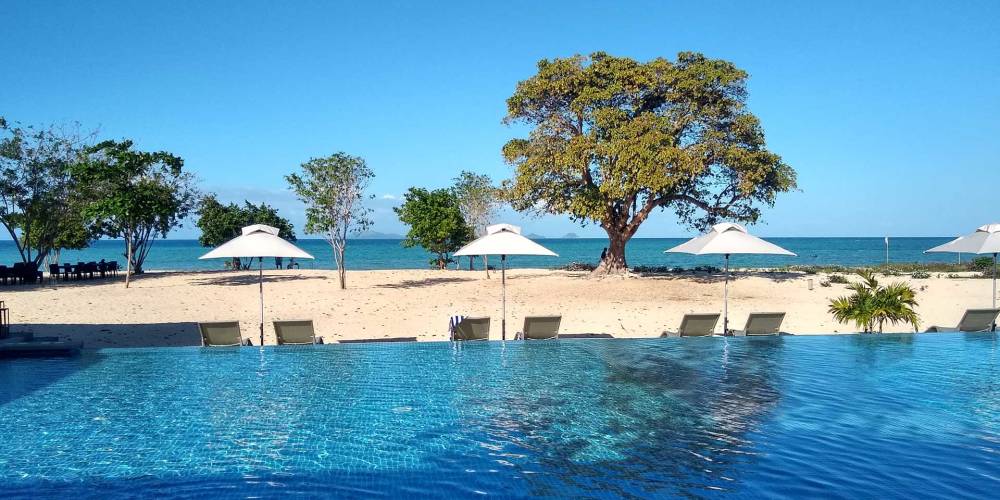
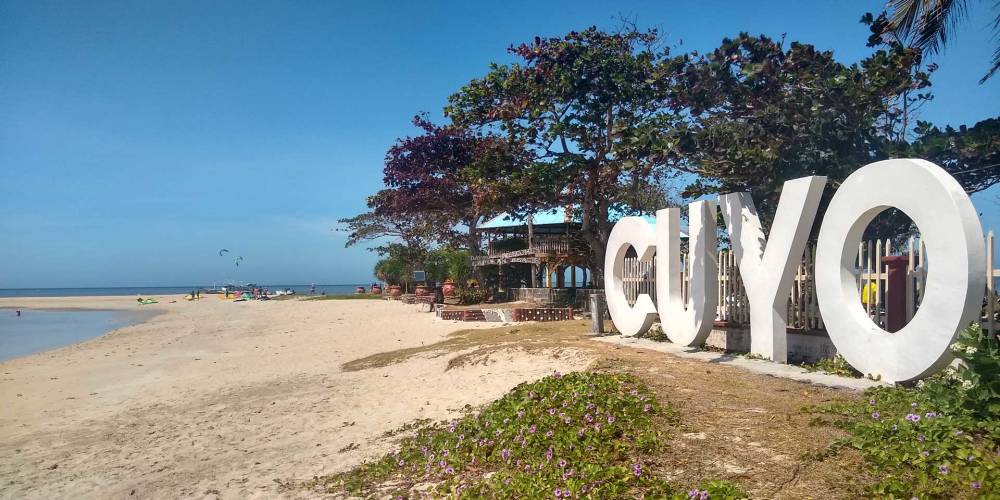
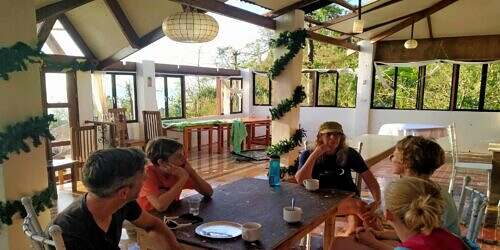
A few larger spots (Cuyo, Mindoro, Boracay…) offer more luxurious accommodation ranging from three to five stars, which each of you can book according to your own taste. At most spots we sleep in simple Philippine accommodation. We would classify them as one to two-star guesthouses. Almost everywhere there is electricity around the clock. More or less fast internet via mobile phone Globe or Smart costs around €6 for 8GB / month. The rooms have air conditioning or a fan and a private bathroom.
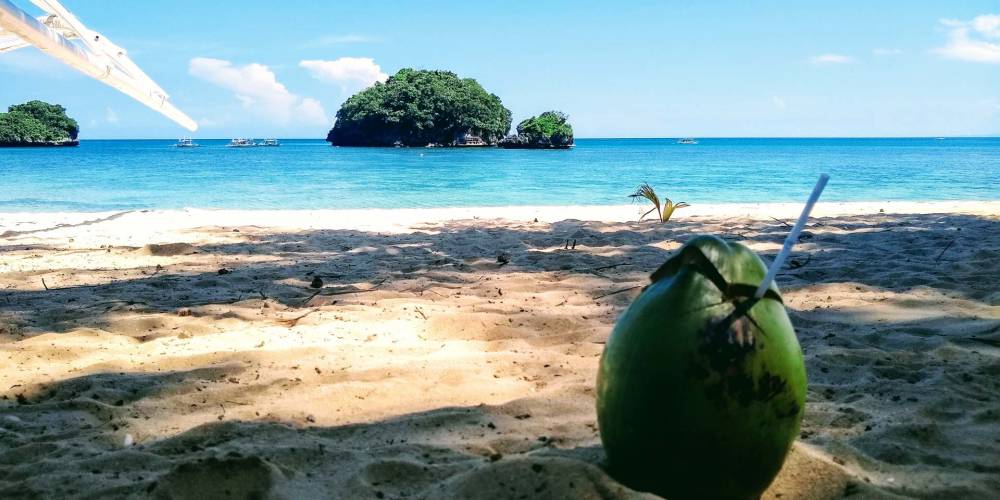
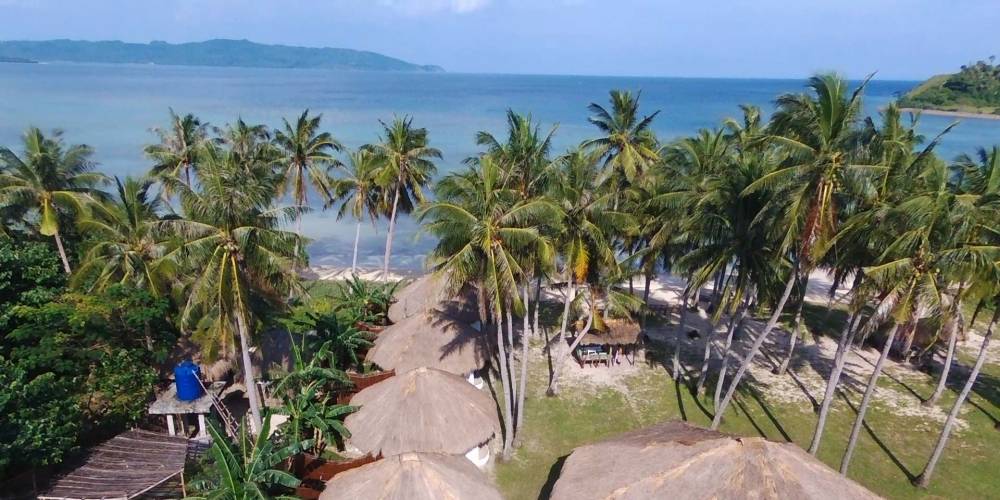
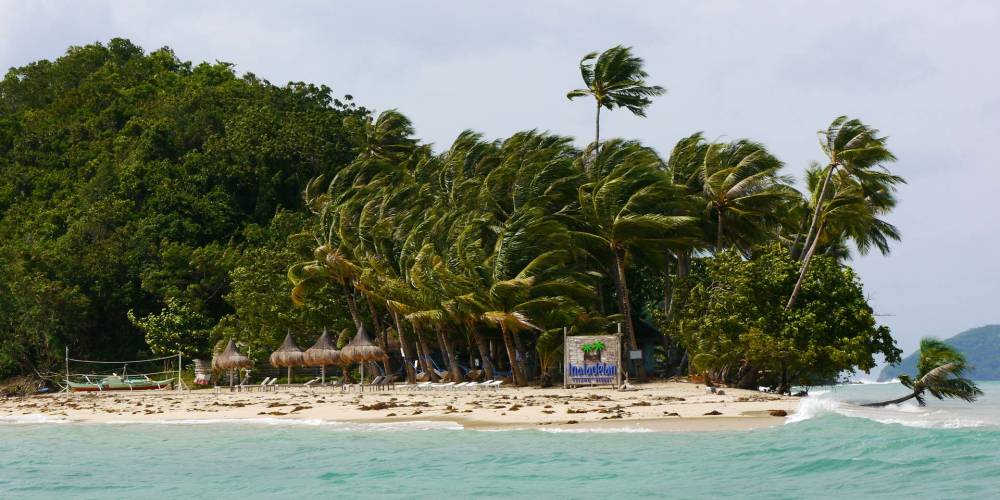
In more remote places, such as island hopping from Coron to El Nido or smaller islands, there is only very basic accommodation. Palm leaf hut on the beach with electricity only a few hours a day via generator. Hardly any/no internet and communal showers only from a bucket with a ladle are the only options. That sounds tough at first. But once you’ve got used to it, many travellers like to call these places the real highlight of their kitesurfing trip to the Philippines.
Kitesurf travel guide Philippines: The catering
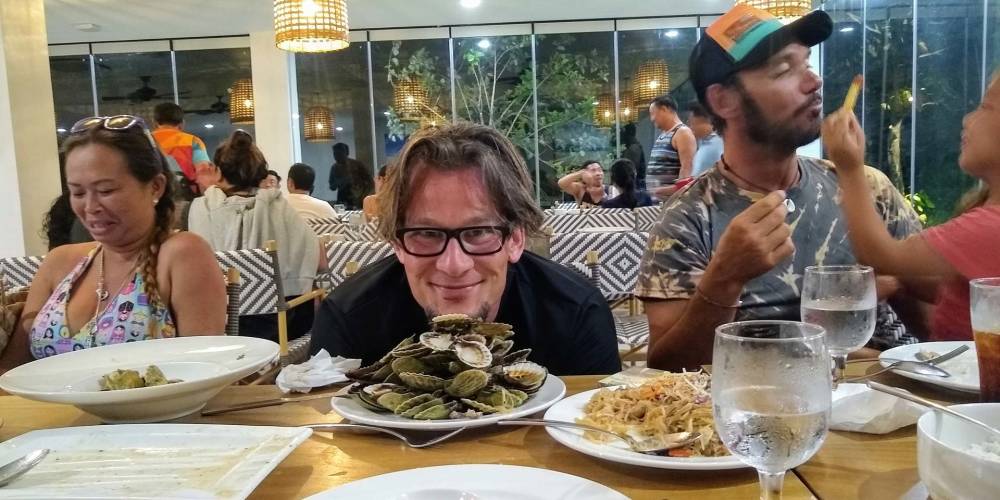
On site, we usually eat together directly at the accommodation / nearby restaurants. At some kitespots you will be given tips for good restaurants in the neighbourhood. You visit them either individually or together as a group. As a rule, you should expect to spend around €15 to €20 a day on food in the Philippines. This is already included in the €1,500 / month above.
Street restaurants reduce the costs significantly. However, they are often not everyone’s cup of tea due to the massive rice and meat overload. No matter how dodgy they sometimes look, nothing bad has ever happened to my stomach. The risk in expensive Western restaurants is usually much higher. Only vegans and vegetarians will have problems. Whether expensive or cheap. Vegetables and fruit are almost always in short supply in the Philippines, as are vast amounts of fish and meat.
Kitesurf travel guide Philippines: The journey
For Germans, Austrians and Swiss, the visa is free of charge for stays of up to 30 days. If you want to stay longer, you should send your passport by registered mail / return envelope registered mail together with the necessary documents and currently 27 € fees (DE) to the respective Philippine embassy at least three weeks before departure.
You book your flight to the Philippines yourself. You can usually find the best prices at www.skyscanner.de – if you can only book your kitesurfing holiday flexibly by /-5 days, a fast flight (mostly Arab providers, not Chinese!) should cost between 500 and 700 € there and back. If your employer is less flexible, the costs will quickly rise by €300. If at all possible, avoid anything between around 18 and 28 December – flight prices are easily twice as high here, especially within the Philippines. All means of transport are hopelessly overloaded then.
From Manila, the journey to the current location of our kitesurfing group is usually by domestic flights. The taxi from the international to the domestic airport costs around 350 PHP and takes up to 30 minutes from the international airport during rush hour. You should allow at least 2.5 hours between flights. Domestic flights cost between €40 and €100 depending on the provider and date. Only search for the best prices via Skyscanner and then book directly with the airlines (Air Asia, Cebu Pacific). Only there and only directly when booking can you book checked baggage relatively cheaply.
With external providers, this is either not possible at all or costs considerably more. Especially with Cebu Pacific, strictly adhere to the maximum baggage sizes and weights, especially for checked baggage! From your domestic airport, I will send you instructions on the easiest, quickest, cheapest and stress-free way to get to the current location of our kitesurf travel group.
Kitesurf travel guide Philippines: Transport in the Philippines
Our group will usually spend between three and five days at each location. Anything less would be stressful. We won’t be ticking off as many spots as possible in a short space of time. Travelling in the Philippines is often arduous and takes much longer than in Europe. If you want to tick off as many kitespots as possible in the shortest possible time, you should travel to another country. And be sure to join another kitesurfing group.
In November 2019, for example, the typhoon season (actually over by the end of October at the latest) went into a one-month extension. Two typhoons within just three weeks halted all air and sea traffic for up to five days. Don’t worry, this is only the worst case scenario. But delays, sometimes lasting several days, are no exception on remote islands, even outside the typhoon season.
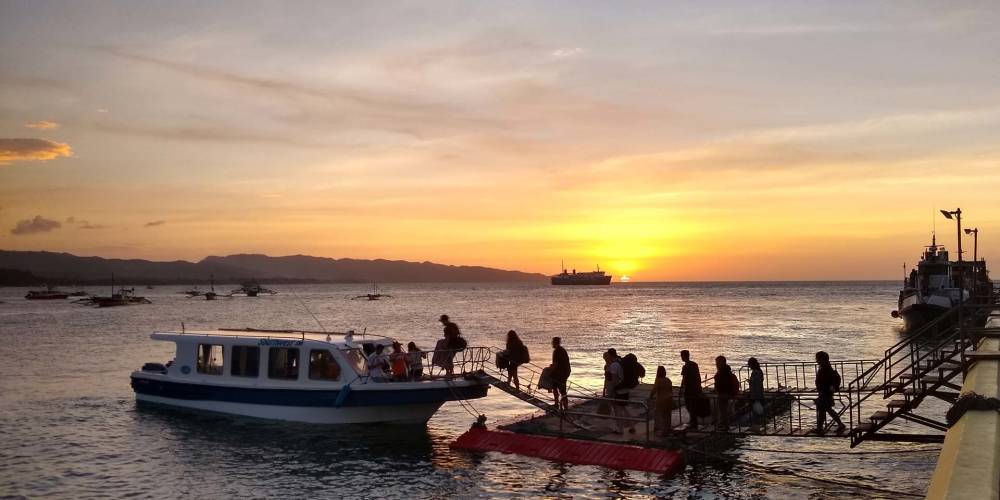
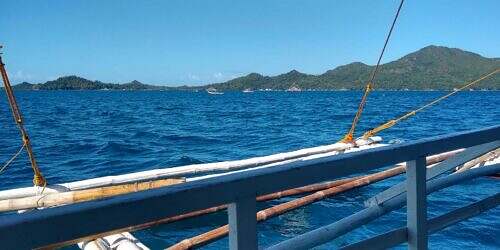
Small ferries such as the one to Cuyo through the Sulu Sea can sometimes take 10 hours in heavy seas. If you don’t know for sure that you are absolutely seaworthy, you should take strong anti-nausea pills (e.g. Vomex) with you. Please take these in good time. If you don’t need them, you’ll always find a green-faced Filipino. His gratitude is guaranteed to last a lifetime.
I plan your route individually so that everyone reaches their return flight comfortably, stress-free and safely. Every change of spot is also carefully planned. I obtain up-to-date departure information from every ferry company on site. I take care of quick, easy and safe transport from kitespot to kitespot.
Kitesurf travel guide Philippines: Kite Level
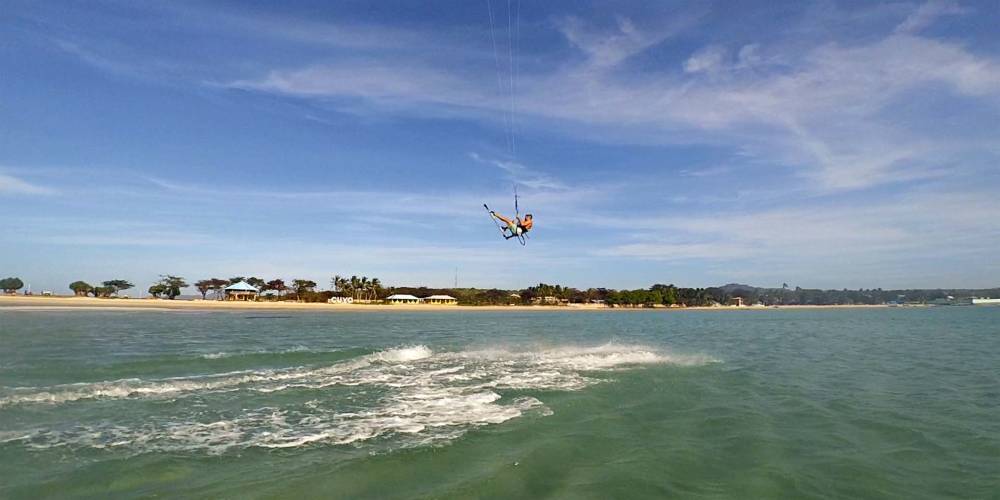
In general, all levels of kitesurfers are welcome on our kitesurfing holidays in the Philippines. From complete beginners to KGB master kiters. Kite schools and rental equipment are available at many but not all kitespots. So when you register, please be sure to indicate your level (beginner, safe upwind, jumps and more) as well as the type of spot you prefer.
Equally important: do you have your own equipment with you? If so, please also indicate the size of your luggage. You will then receive personalised suggestions as to when and where you should start your trip. Please note: the itinerary is not fixed! We will be guided by the best winds and decide together where to go next.
Kitesurf travel guide Philippines: Philippine Kitesurf Championship PKA
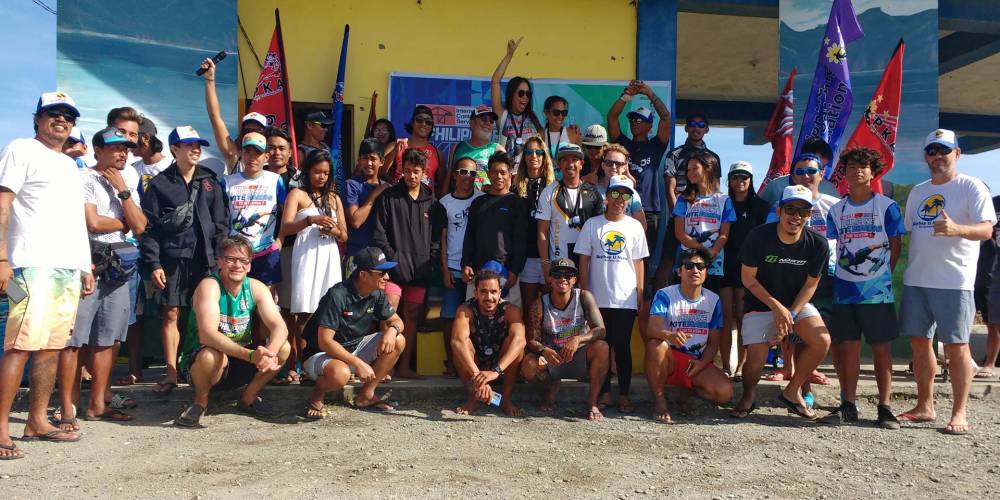
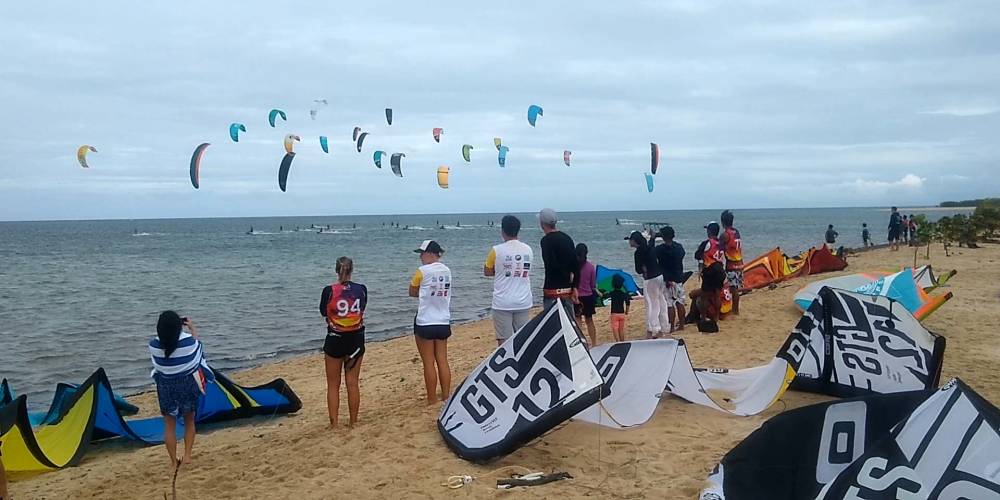
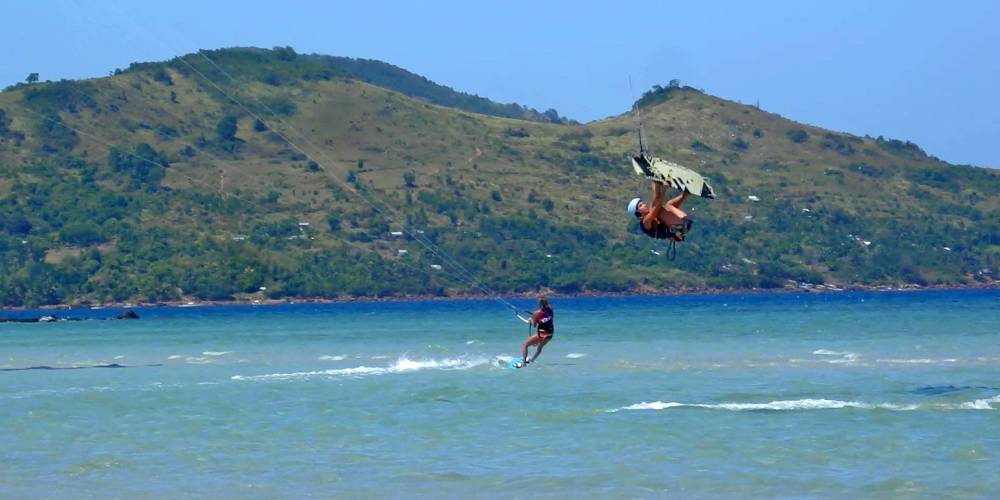
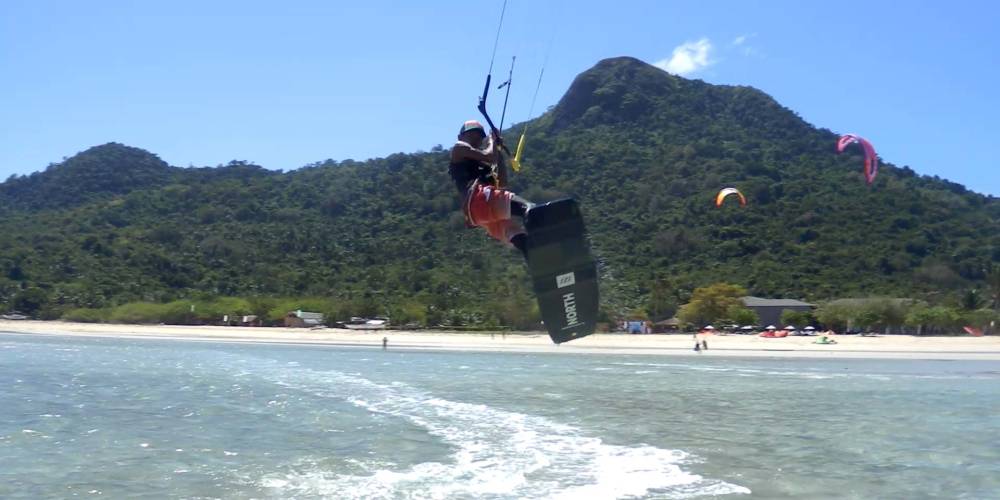
During our travel period, the Philippine Kitesurfing Championship PKA will certainly make one or two tour stops again. The prize money amounts to a total of $12,000. Anyone, whether beginner or professional kiter, can take part for a fee of around 62€. The PKA Kite Championships are always a big party and a good opportunity to compete with up to 100 other kitesurfers in Race (Twintip/Foil), Hangtime and Fresstyle.
If at all possible, we organise our kitesurfing trip to the Philippines so that we can take part in at least one championship. Participation is not compulsory. Social guests pay a significantly lower fee and also receive merchandise and three simple lunches.
Kitesurf travel guide Philippines: Travel period
Please plan at least two to three weeks for your kitesurfing trip to the Philippines! Everything else will either be very expensive, pure stress – or both. I will be available as your local guide in the Philippines from February to 12 March 23. You can join our kitesurfing trip at any time.
Our first kitespot will most certainly be www.Kitesurf-Mindoro.com (southern Mindoro). The wind starts early and strong there. With high western standards in terms of catering and accommodation, several nearby islands offer the most varied kitespots. You can also reach this first kitespot easily, conveniently and cheaply several times a day directly from Manila by non-stop couchette bus > ferry > bus to Bulalacao within approx. 10 hours. Changing terminals, waiting, check-in and transfer from the nearest airport San Jose take about the same time. Alternatively, you can fly from Manila to Caticlan and take one of the twice-daily FastCat ferries to Bulalacao (3-5 hours, €9). UPDATE: since the last typhoon, the FastCat ferry no longer exists, only much slower ones.
Update 9.1.23 Arrival for the kite safari
The journey to Manila starts with international flights. From there, there are two ways to get to Mindoro.
BUS: Take a taxi from the airport to Ali Mall Manila. There are daily RORO buses there. You won’t find them anywhere online and you can only book them directly on site. These go from Manila to the harbour of Batangas in the south. Then take the same bus on the Rollon-Rolloff ferry over to Mindoro. From there (assuming you choose the right RORO) you should continue directly to BULALACAO near our homespot on the same bus. If I remember correctly, the entire journey takes around 10 hours, is very comfortable and costs around €25.
Flights are best booked directly with cebupacificair.com. To Mindoro/San Jose these always cost around 30€ with a flight time of 1:10h. Cebu checks the maximum weights and sizes of all pieces of luggage very carefully, so be sure to book appropriately – and directly with Cebu. All resellers charge significantly more for baggage – if additional booking is possible at all. 20kg checked baggage costs about 10€ at Cebu, a full kitebag of course more.
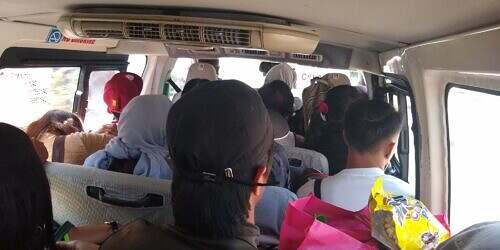
You have to transfer from the international terminal in Manila to the domestic terminal. There is usually a rather overcrowded bus. You should therefore allow at least 2.5 hours (preferably 3-3.5 hours) for the transfer, including check-in for the second flight. In San Jose you first need a private taxi to the minivan terminal. Price is a matter of negotiation. Kitebags in particular are sometimes charged as an extra person, even in minivans. With the minivans, which are always completely full, it then takes about 1.5 hours to get over to the east side of Mindoro to Bulalacao. From there it takes about 30 minutes by tuk-tuk to Bislig Beach, Kitesurf-Mindoro.com.
All in all, flying takes about the same time as travelling by bus. But you have to change a few times, organise it yourself and leave a lot moreCO2 on the way. I like the bus and ferry because the journey itself becomes a relaxed destination.
Kitesurf travel guide Philippines: Luggage
It rarely rains during our travel period. The temperatures are almost always between 27 and 33 degrees. We recommend long, thin trousers, long sleeves and softshells for the journey and the often chilly buses and ferries. Neoprene suits are superfluous. Beginners should only bring neoprene shoes.
You don’t need much in the way of clothing. You can have your clothes washed at almost any kitespot for a small fee (approx. €1.50/kg). Do yourCO2 footprint a favour and reduce your luggage to the bare minimum. Splitboards in your suitcase instead of a full board bag not only save money on flights but also in every minivan. Soap, shampoo and toothpaste can be bought cheaply on site. Only sun cream is significantly more expensive.
Kitesurfing travel guide Philippines: Safety
The Philippines is generally a very safe country to travel to. Only in South Palawan and Mindanao have there been isolated terrorist attacks and a few kidnappings in recent years. We do not travel to these areas.
There is a small doctor’s surgery in practically every place, hospitals only at a few kite spots. There are no dangerous or poisonous animals either in the sea or on land. Sea urchins (take neoprene boots!) are the biggest danger at some kitespots.
The standard vaccination programme is sufficient (tetanus, rabies, hepatitis…). Malaria prophylaxis is not advisable. There have been a few cases of dengue fever in regions outside our travel area. Mosquitoes are only around for about two hours around sunset, if at all. The best protection here is to wear long clothing for a short time. Toxic mosquito repellent is not necessary. As soon as the wind blows, there are usually no mosquitoes at all.
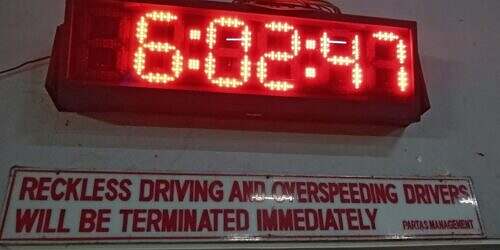
Road traffic in the Philippines is a little tougher for our taste. Minivans are almost always speeding. Even large buses sometimes speed at full throttle at night. Motorbikes can be hired almost everywhere for little money. As a rule, there is no insurance. You are liable for any damage yourself. Helmets are only compulsory in the big cities. Helmets are always advisable, even on remote islands.
Thefts are extremely rare despite an average income of less than €200 per month. The Filipinos are very religious and extremely righteous. When you go out, you only take what you need with you. On intercity buses, people hide valuable items in their hand luggage and carry an extra purse with the necessary small change of around 1000 pesos.
President Duterte has been waging a radical war against drugs (especially crystal meth) and dealers for years. It extends to public calls for murder on television. Don’t accept anything – from anyone! Cigarettes and drinking alcohol in public are also banned in many towns and cities, with fairly severe penalties. At most of our kite spots, people just laugh about it.
Kitesurf travel guide Philippines: Last but not least…
We will go kitesurfing together and safely. At the same time, everyone should be able to travel as freely as they wish. Apart from my great passion for travelling and kitesurfing, I am quite a busy web designer. I will also help you where I can before you start your journey, but please keep all questions to a minimum. It is best to write your clearly titled question directly below as a comment. The answers will then benefit all fellow travellers. Please send your enquiry directly to mail@kitesurf-reisen.eu.
Hang loose,
See you at the Grand Philippines Kite Odyssey IV!
Your Frank






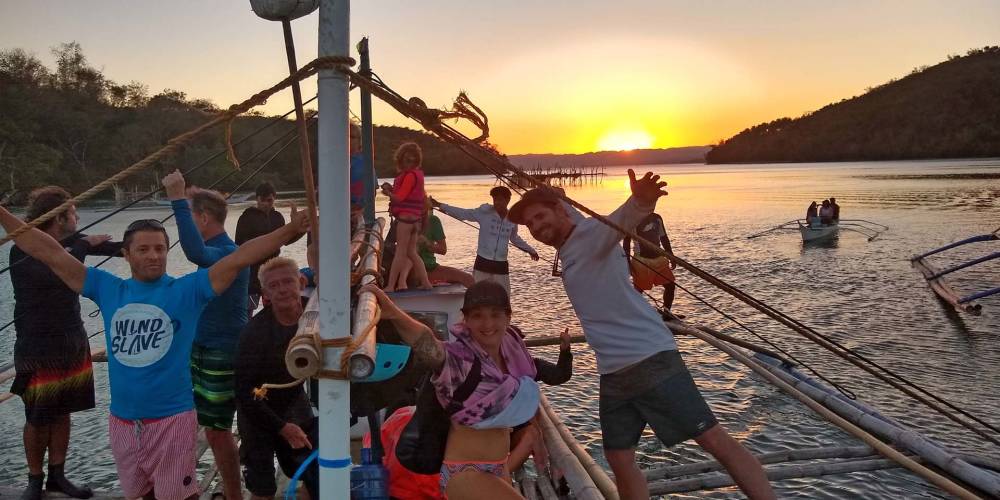
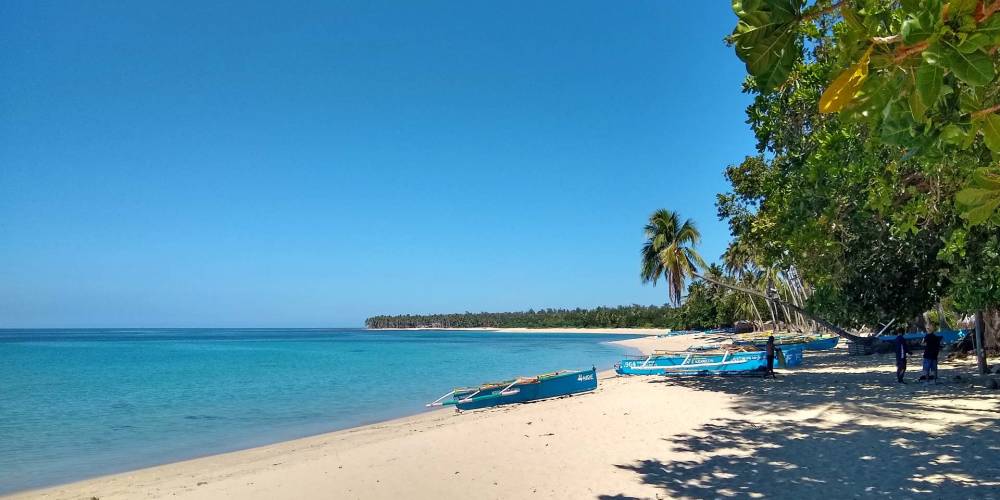

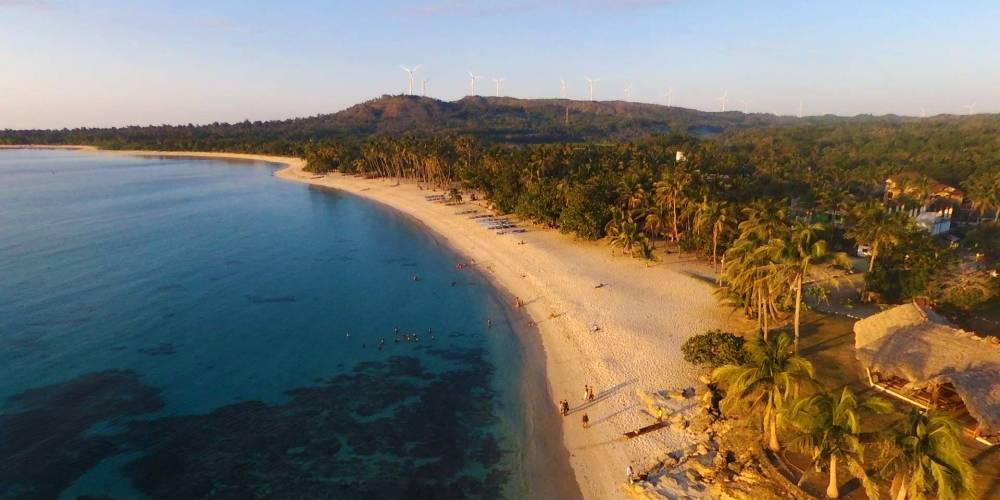
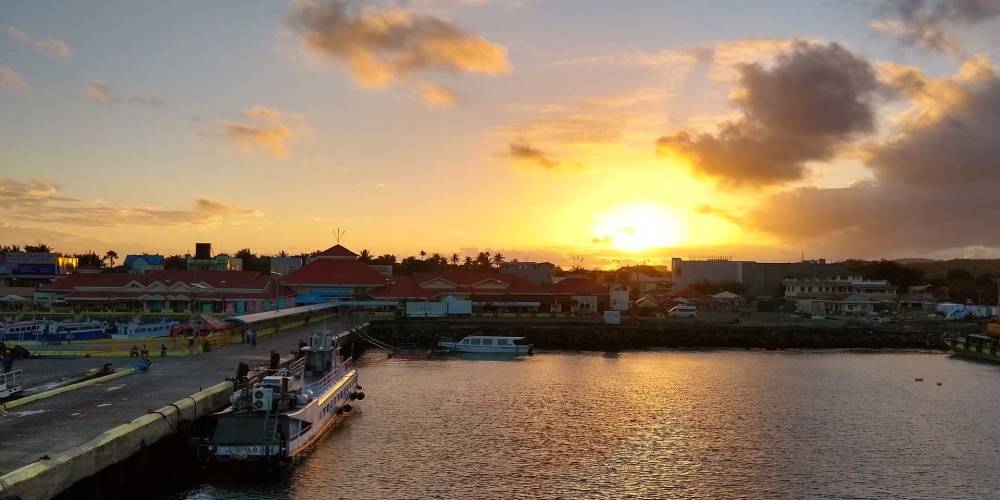




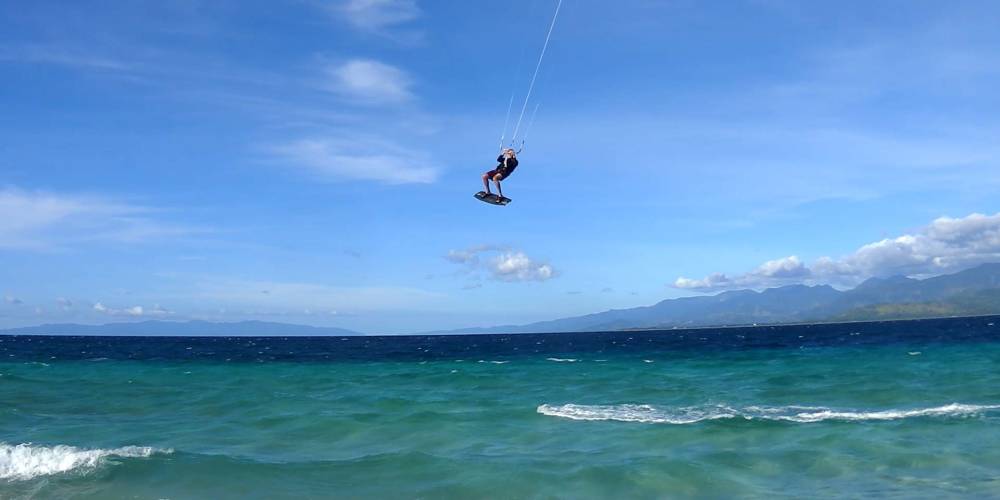
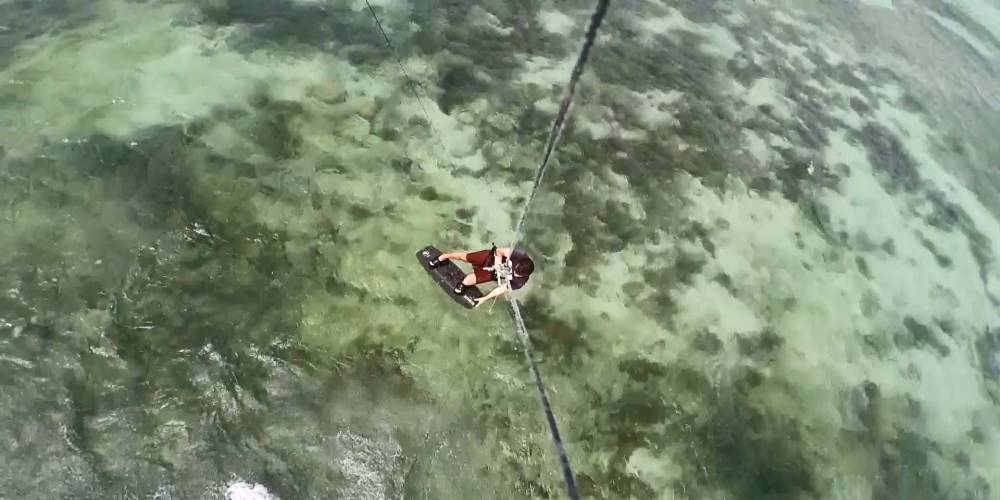
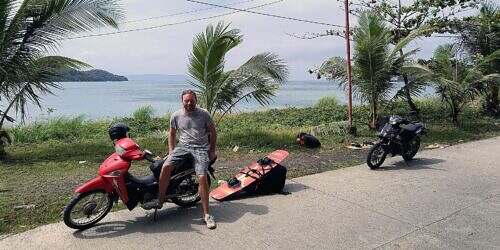
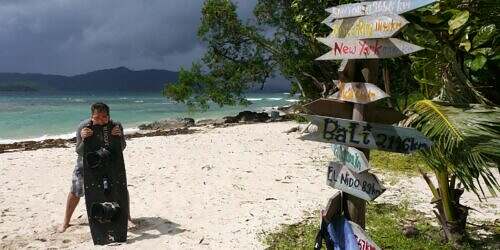
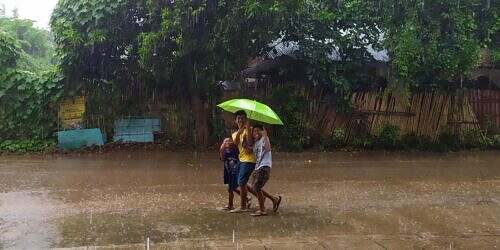
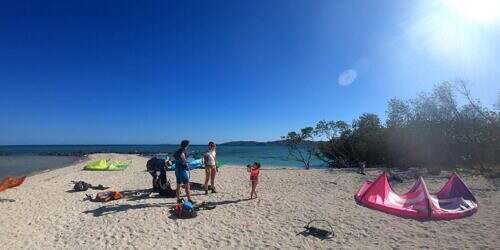
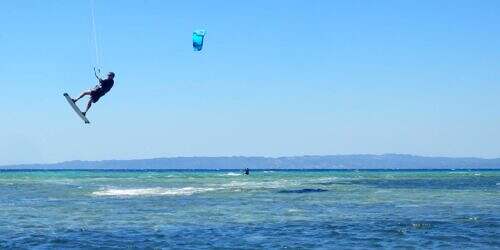
 Frank Woelky, born in 1973. Kitesurfer since 1998. Since 2006, I have been combining kitesurfing and web design on trips lasting several months off the beaten track.